Overview of Hold the lettuce: Updates on the “explosive” cyclospora outbreak
This Science Friday segment covers the ongoing U.S. cyclospora outbreak that has sickened thousands and the latest evidence linking some cases to shredded iceberg lettuce served at Taco Bell in five states. Food safety expert Byron Chavez explains why investigators still don’t have a full answer, how cyclospora spreads, why bagged salads can be risky, and what consumers can do while the source remains under investigation.
What’s New in the Outbreak Investigation
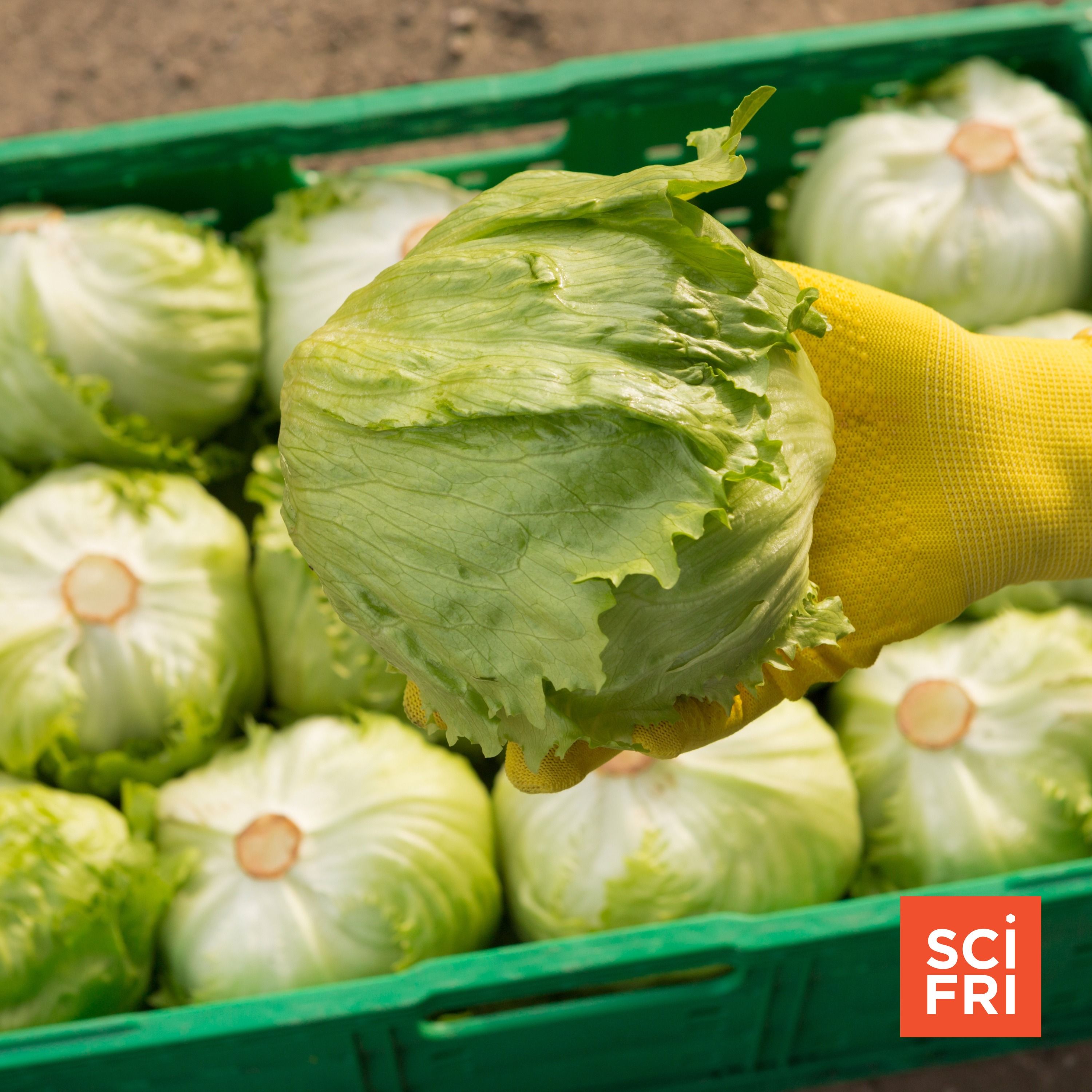
- The FDA and CDC have linked some cases of the cyclospora outbreak to shredded iceberg lettuce used at Taco Bells in:
- Indiana
- Kentucky
- Michigan
- Ohio
- West Virginia
- The lettuce was reportedly supplied by Taylor Farms, though Chavez cautions against jumping to conclusions about a final source.
- The investigation is not solved; in fact, the new lead raises more questions:
- How was the lettuce contaminated?
- Is Taco Bell the only affected chain?
- Is contaminated product still in circulation?
- Are there multiple outbreaks happening at once?
Why the Investigation Has Been So Difficult
Multiple possible outbreaks
- Chavez says the pattern suggests there may be more than one outbreak happening simultaneously.
- While the lettuce link may explain a portion of cases, it does not explain all illnesses nationwide.
- The outbreak has spread across 34 states, including New York, which was not among the states named in the lettuce-related alert.
Possible non-lettuce sources
- Investigators must still consider other sources, including:
- Recreational water
- Other contaminated foods
- Cyclospora has been implicated in outbreaks tied to water contaminated by untreated or semi-treated wastewater in other parts of the world.
Public health coordination
- Chavez suggests that cuts to public health infrastructure may have slowed the response.
- He notes that reduced coordination between the CDC, federal agencies, and state health departments can make outbreak response less efficient.
What Cyclospora Is and How It Spreads
Key biology
- Cyclospora is a parasite, not a bacterium.
- It causes cyclosporiasis, which can produce prolonged gastrointestinal illness.
- The parasite is not spread directly person-to-person.
Why it’s hard to control
- The parasite must spend time in the environment before becoming infectious.
- It needs the right conditions — such as temperature and humidity — before it can contaminate water or produce and infect people.
- Chavez says scientists still do not fully understand:
- Its infectious cycle
- Its biology
- The best detection methods
Why “Explosive Diarrhea” Is a Misleading Term
- “Explosive diarrhea” is not a formal medical term.
- In this context, it refers to:
- Watery diarrhea
- Excess gas, which can make bowel movements especially forceful or noisy
- Symptoms can last a long time; some patients reportedly experienced illness for weeks or even months.
Why Bagged Salads Are Often Involved in Food Safety Outbreaks
- Bagged salad is convenient and widely consumed, but it creates more opportunities for contamination to spread.
- When lettuce from multiple heads or farms is:
- cut
- chopped
- mixed
- packaged
any contaminated piece can affect the entire batch.
- Even if only a small portion of raw produce is contaminated on the farm, processing can amplify the problem through cross-contamination.
Can Produce Be Effectively Disinfected?
- Current sanitation methods like chlorine washes and fluorinated water rinses may help with bacteria such as:
- E. coli
- Salmonella
- But they are not very effective against cyclospora, which is more resistant.
- More advanced water treatments, such as:
- microfiltration
- reverse osmosis
may help, but they are expensive and not always practical.
Consumer Advice and Takeaways
- Chavez avoids telling people exactly what not to eat, but says he personally prefers:
- cooked produce
- fewer raw leafy greens
- General practical advice:
- Follow outbreak updates closely
- Be cautious with raw leafy greens during active investigations
- Cooking produce, when appropriate, can reduce risk
- He notes that 158°F is enough to kill the parasite.
Main Takeaways
- The cyclospora outbreak is still unresolved.
- Some cases are now linked to shredded iceberg lettuce, but that likely explains only part of the national outbreak.
- Multiple sources may be involved, including possibly contaminated water or other foods.
- Cyclospora is difficult to detect and control because of its complex life cycle and resistance to common sanitizers.
- For now, the safest approach is to stay alert to public health guidance and be cautious with raw produce, especially bagged salads.