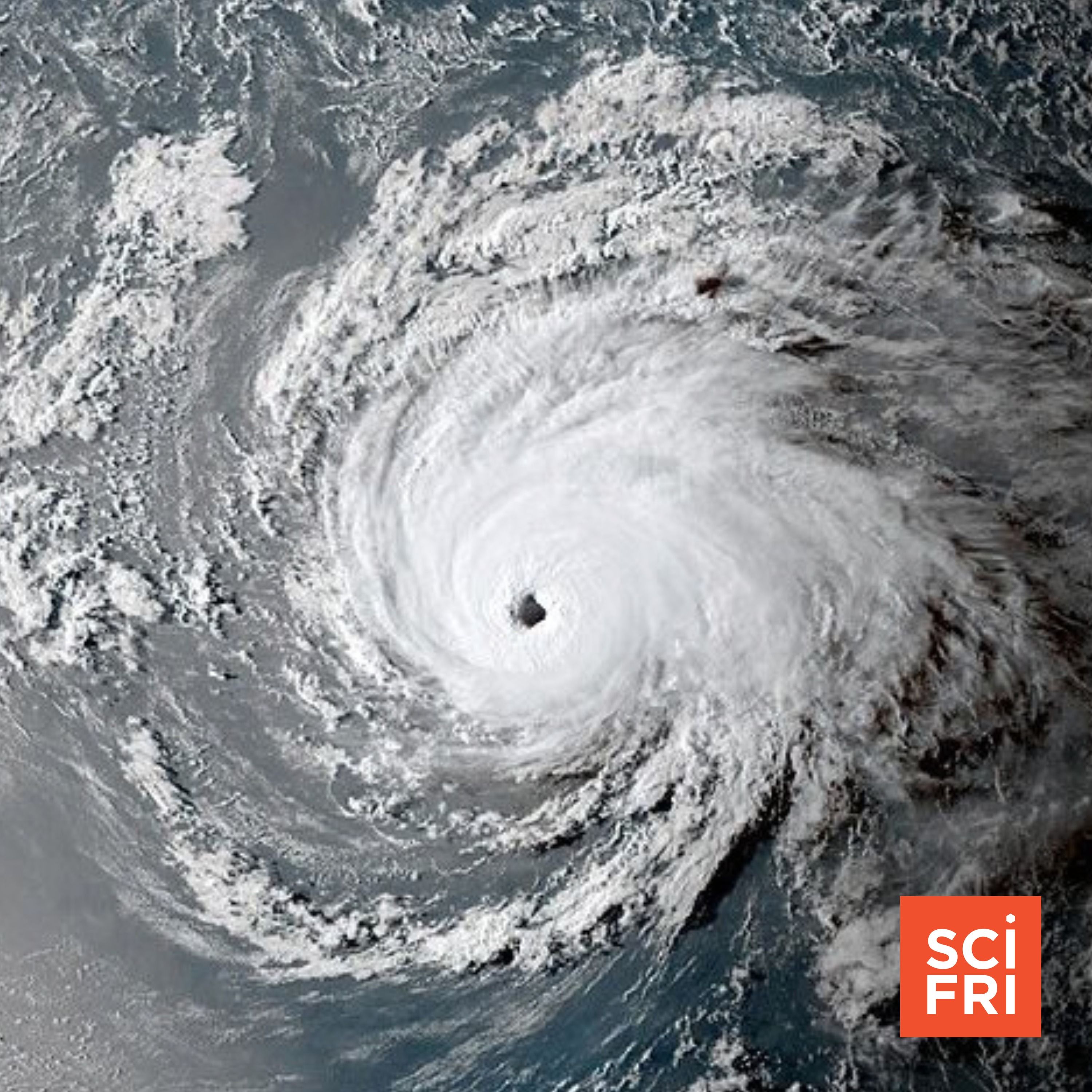
Overview of Climate change is increasing hurricane risk for Hawaiʻi
This Science Friday segment examines why Hawaiʻi’s hurricane season has become unusually severe, with two back-to-back storms causing flooding, power outages, and damage to homes, roads, and coastlines. Host Flora Lichtman speaks with Dr. Haunani Kane of the University of Hawaiʻi at Mānoa about how El Niño and long-term ocean warming are increasing the odds that hurricanes remain stronger for longer and track closer to the islands. The conversation also highlights how reefs, beaches, and Hawaiian communities are interconnected—and why climate resilience in Hawaiʻi depends on both science and traditional knowledge.
Why Hawaiʻi Is Facing Greater Hurricane Risk
A rare and alarming storm pattern
- Hawaiʻi is usually somewhat protected from hurricanes because storms often weaken in cooler waters before reaching the islands.
- This year was different: two hurricanes hit in quick succession, bringing heavy rain, flooding, infrastructure damage, and power outages.
- For residents, especially on the Big Island, the storms felt intense and unusual, with rainfall levels far beyond normal expectations.
Climate conditions fueling stronger storms
- El Niño can extend warmer ocean conditions into the fall, giving hurricanes more energy.
- Climate change is warming both ocean and air temperatures, which can:
- keep storms stronger for longer,
- shift storm tracks farther west and north,
- and increase the chance that hurricanes approach or strike Hawaiʻi.
Impacts on Reefs, Beaches, and Islands
Storm damage goes beyond buildings
- The storms are not only affecting people and infrastructure; they are also reshaping natural systems.
- Scientists have observed:
- damaged reefs,
- beaches covered in coral rubble,
- and erosion caused by intense wave energy.
Why reefs matter for storm protection
- Coral reefs act as natural barriers that absorb and reduce wave energy before it reaches shore.
- When reefs are damaged, beaches and coastal areas become more vulnerable to erosion and flooding.
- Kane points to past storms as examples of how extreme events can:
- rip corals from reef platforms,
- turn reef areas into rubble fields,
- and even move entire islands or sand formations.
Traditional Knowledge and Scientific Research
A Hawaiian worldview of connection
- Kane emphasizes that in Hawaiian thought, people, place, and nature are inseparable.
- She references the saying “He pūkoʻa kani ʻāina”—often understood as “a coral reef that grows into an island”—to show how reefs are foundational to land formation and survival.
- Reefs are seen not just as ecosystems, but as physical, cultural, and spiritual sources of life.
Why multiple ways of knowing matter
- Kane argues that Hawaiʻi needs both:
- modern climate models and sensors, and
- knowledge passed down through generations and lived experience in local communities.
- This is especially important because climate impacts are already happening now, not in some distant future.
What Researchers Are Studying Now
Resilience and recovery
- Kane and her team are studying how reefs and islands recover after storms by using:
- modern observations,
- historical records,
- and paleo records.
- The goal is to identify thresholds: how much sea level rise or storm impact reefs and islands can withstand before losing their protective functions.
Signs of resilience
- Some corals and seaweeds are more resilient than others.
- Crustose coralline algae—a pink, rock-like seaweed—plays an important role in reef recovery and beach rebuilding.
- Resilient ecosystems are also tied to resilient communities that understand and protect their local resources.
Main Takeaways
- Hawaiʻi is seeing a more dangerous hurricane pattern, likely intensified by El Niño and climate change.
- Stronger, warmer storms threaten not just homes and roads, but also reefs, beaches, and coastal ecosystems.
- Reefs are essential natural defenses for the islands, helping absorb storm energy and reduce erosion.
- Hawaiian scientific and cultural knowledge both matter in building climate adaptation strategies.
- Long-term resilience will depend on protecting ecosystems, listening to local communities, and planning for climate impacts that are already unfolding.
Notable Insight
- Kane stresses that the stakes are not abstract or future-oriented—they are happening now, affecting students, families, and entire communities in real time.
- Her central message: the best path forward is to combine all available knowledge to protect both the land and the people of Hawaiʻi.