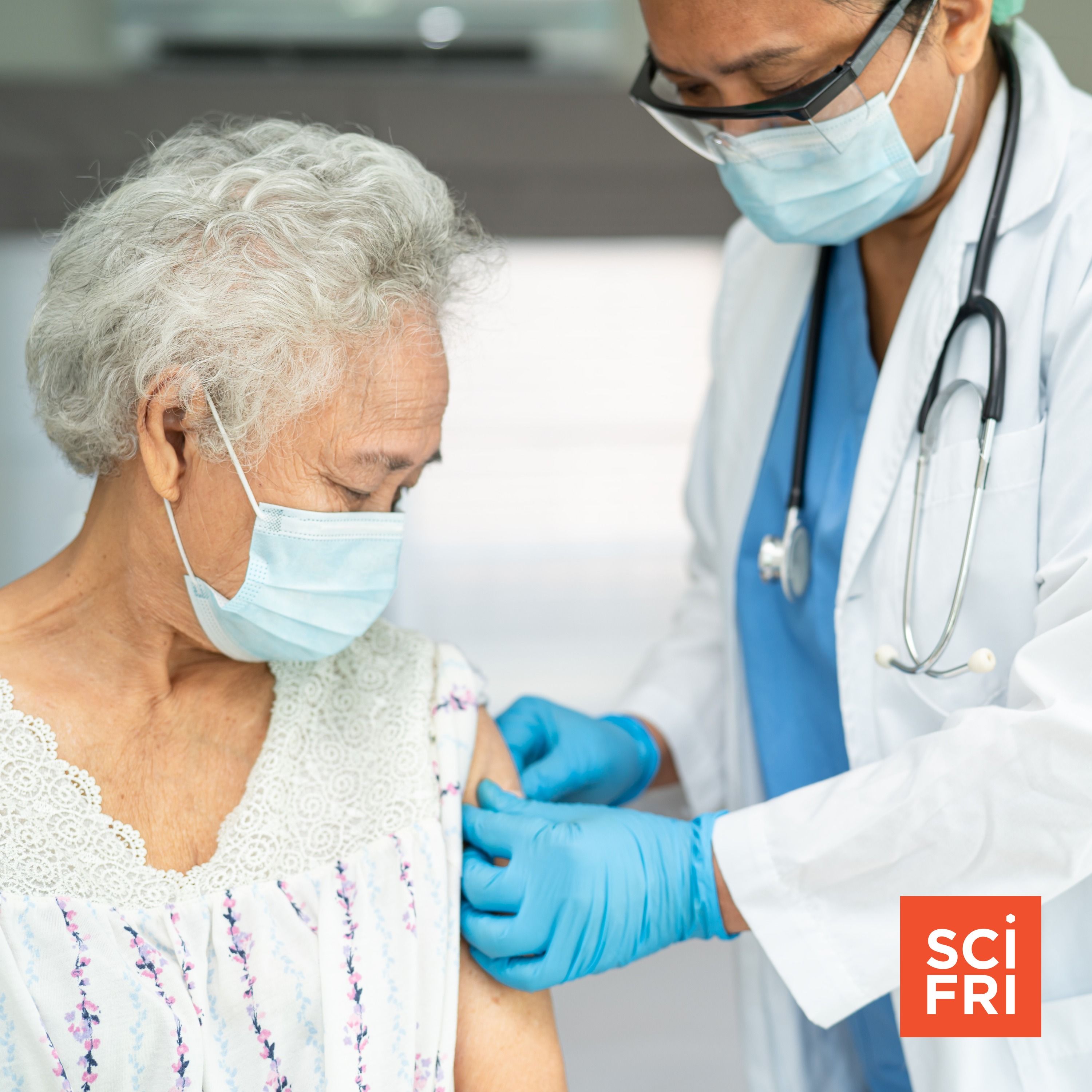
Overview of Science Friday: Can the shingles vaccine stave off dementia?
This episode explores surprising research suggesting that the shingles vaccine may be linked to a lower risk of dementia, while also broadening the discussion to how vaccines can have benefits beyond preventing their target infection. Host Flora Lichtman speaks with epidemiologist Dr. Pascal Geldsetzer and physician-epidemiologist Dr. Helen Chu about possible mechanisms, why the evidence is intriguing but not yet definitive, and how infections and inflammation may contribute to chronic diseases like heart disease, stroke, and dementia.
Key Takeaways
- Vaccines may have “downstream” benefits beyond preventing the illness they were designed for.
- Flu vaccination may reduce heart attacks and strokes by preventing infections that can trigger inflammation and cardiovascular events.
- Shingles vaccination has been associated with a lower rate of new dementia diagnoses in multiple datasets.
- The strongest estimate discussed: about a 20% reduction in new dementia diagnoses over seven years.
- The findings are promising but not proven causal yet; the speakers stress the need for clinical trials.
Why Vaccines Can Affect More Than One Outcome
Infection can trigger later disease
Dr. Chu explains that infections may cause inflammation that leads to later health problems, such as:
- heart attacks
- strokes
- potentially dementia
A key issue is that studies often miss the infection itself, especially if the later event happens during hospitalization or weeks/months later.
Immune and inflammatory effects
The guests also note that some vaccines may:
- reduce chronic inflammation
- influence the immune system in broader ways than just antibody production
- indirectly lower risk for diseases tied to inflammation
The Shingles Vaccine and Dementia: Why This Study Matters
A rare opportunity to study causation
Dr. Geldsetzer argues that the shingles vaccine rollout created a kind of natural experiment.
- In some countries, eligibility depended on date of birth.
- People just before and just after the cutoff were very similar, except that one group was eligible for vaccination and the other was not.
- That makes the comparison much closer to a randomized trial than typical observational studies.
What the data showed
Across multiple settings, the researchers kept seeing:
- lower dementia rates in people who received the shingles vaccine
- a consistent association, not a one-off fluke
Possible Biological Explanation
Shingles virus and the nervous system
The shingles-causing virus, varicella-zoster, is described as:
- neurotropic: it targets the nervous system
- capable of reactivation later in life
- associated with inflammatory processes that may affect blood vessels and the brain
This makes a link to dementia biologically plausible, especially since inflammation and vascular damage are both implicated in cognitive decline.
Why Vaccine Type May Matter
Live attenuated vaccines may have broader effects
Dr. Chu explains that live attenuated vaccines may trigger broader immune responses than some other vaccine types.
Examples mentioned:
- BCG
- measles vaccine
- likely the shingles vaccine used in the study context
These may stimulate the innate immune system, creating more nonspecific protection.
Infection prevention itself still matters
Even when a vaccine doesn’t have a special immune “bonus,” it can still reduce long-term harm simply by preventing the infection, which otherwise may cause inflammation and later disease.
COVID Vaccines and Long COVID
The conversation also touches on evidence that:
- being up to date on COVID vaccines helps protect against long COVID
- this matters even for people not at high risk of severe acute COVID illness
Important Caveats
- These shingles-dementia findings come from observational/ecological studies, not randomized clinical trials.
- Healthier people are often more likely to get vaccinated, which can distort results.
- The speakers emphasize that the evidence is exciting but not yet conclusive.
- Clinical trials in Denmark are underway and could provide stronger proof.
Bigger Implications
The episode closes with a broader idea: infections may play a larger role in chronic disease than previously appreciated. If researchers can better understand the links among:
- infection
- inflammation
- immune aging
- chronic disease
it could open up new strategies for prevention and treatment, with vaccines potentially serving roles well beyond their original purpose.