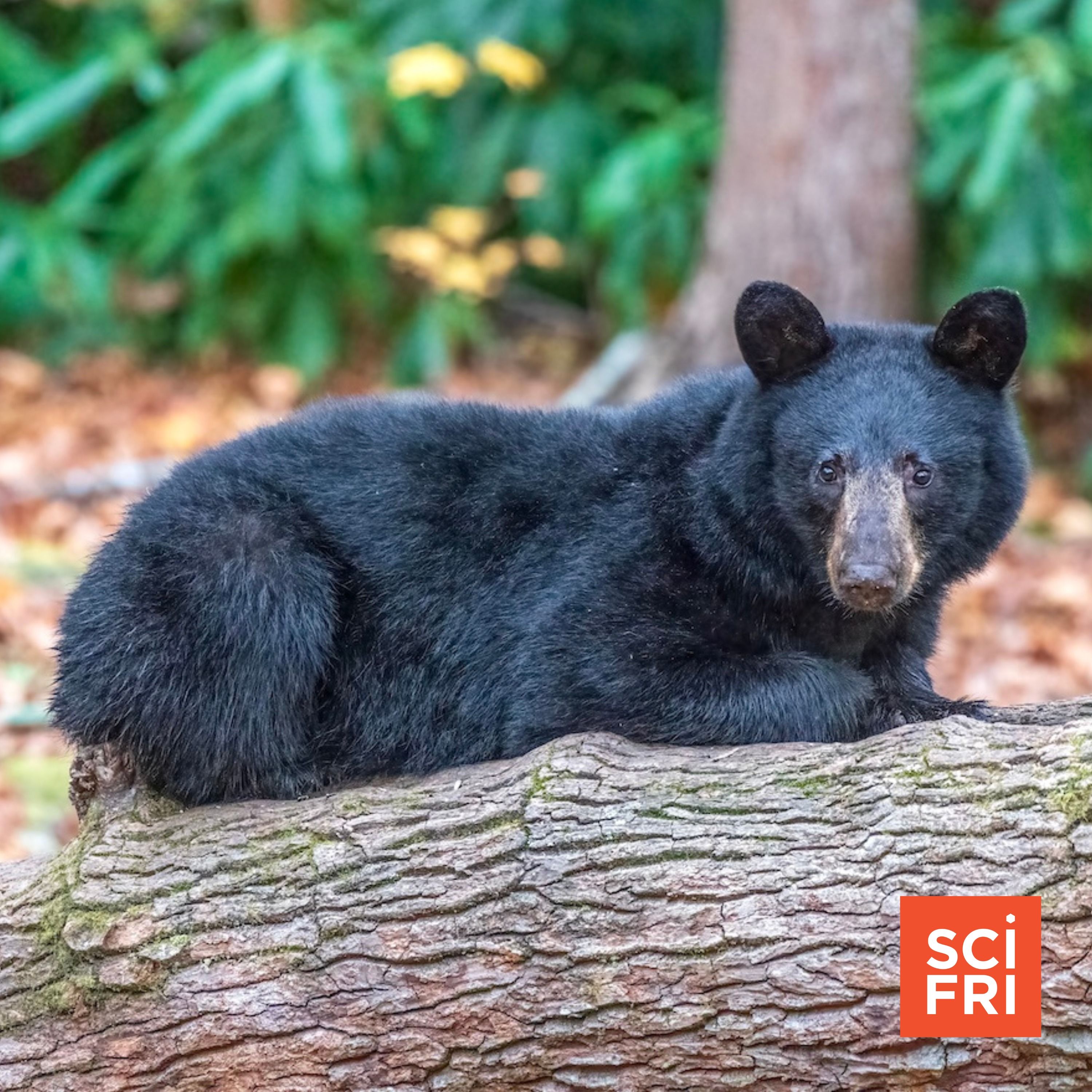
Overview of Black bears are moving into the neighborhood. How do we coexist?
This Science Friday segment explores the rise in black bear sightings across the southern U.S. and beyond, especially in areas where bears were once nearly wiped out. Reporter Cassandra Stevenson explains how black bear populations are rebounding in states like Tennessee, Missouri, Arkansas, and Mississippi, while wildlife biologist Dr. Naima Harris breaks down why bears are showing up closer to people, what attracts them, and how humans can reduce conflict while still allowing bears to thrive in the landscape.
What the Episode Is About
The conversation centers on a growing reality: black bears are returning to parts of their historic range and increasingly appearing in neighborhoods, backyards, golf courses, and roadsides.
The episode asks:
- Why are black bear encounters increasing?
- How did bear populations recover after being heavily hunted?
- What should people do when bears live nearby?
- Can humans and black bears coexist without constant conflict?
Why Black Bears Are Returning
Historical decline and recovery
Black bears were once widespread across the southeastern U.S., but their numbers plummeted because of:
- overhunting
- habitat destruction
- settlement and land-use change
In some places, bears were thought to have been nearly or completely extirpated.
What helped populations rebound
Recovery has come through a mix of:
- stricter hunting regulations
- hunting bans in some states
- conservation efforts
- limited relocation/translocation attempts from places like Canada and Minnesota
The episode notes that some of those relocation efforts had mixed results, since bears have large home ranges and many wandered off or died.
Why Bears Are Showing Up in Neighborhoods
Dr. Naima Harris explains that bear populations are increasing, and as numbers rise, more individuals come into contact with people.
Not all bears behave the same way:
- some are shy and avoid humans
- others become habituated to people and bolder over time
The bears that cause concern are often the ones that learn to associate humans with food.
Major attractants
The biggest sources of human-bear conflict include:
- unsecured trash
- bird feeders
- dog food
- leftover food from outdoor gatherings
- easy access to backyards and other human spaces
What Black Bears Actually Eat
Despite the cartoon version of bears eating only berries, fish, and honey, black bears are omnivores.
They eat:
- berries, seeds, and other plant material
- carrion and other dead animals
- insects like termites
- sometimes deer fawns
Ecological importance
Dr. Harris emphasizes that black bears play important ecosystem roles:
- seed dispersal: helping spread plants and support forest regeneration
- nutrient cycling: cleaning up carrion and decaying matter
- insect control: eating bugs and termites
The takeaway: bears are not just a nuisance; they are also important wildlife.
How Humans and Bears Can Coexist
Keep bears wild
A major theme of the episode is that people should avoid making bears comfortable around humans.
Dr. Harris says coexistence depends on maintaining bear wariness, not encouraging dependence on human food sources.
Practical advice
Key strategies include:
- secure trash cans
- avoid leaving pet food outside
- remove or manage bird feeders if bears are active in the area
- don’t intentionally feed bears
- avoid selfies or close contact
- use professional wildlife hazing when needed
Aversive conditioning
If a bear becomes too comfortable around homes, wildlife professionals may use methods like:
- loud noises
- dogs
- drones
- other hazing techniques
The goal is to teach bears that human spaces are not safe or rewarding.
Bigger Picture: Coexisting with Large Carnivores
Dr. Harris connects black bears to other large carnivores around the world, including:
- lions
- jaguars
- snow leopards
- coyotes
Her broader point is that coexistence is always a balance:
- it requires tolerance
- it must be culturally and socially workable
- it does not mean zero conflict
- it means conflict is manageable
Key Takeaways
- Black bear populations are rebounding in many parts of the U.S., including places where they were once nearly gone.
- More sightings do not necessarily mean more danger, but they do require adjustment.
- Human food sources are the main reason bears become habituated.
- Bears are omnivores and important ecosystem players, not just backyard intruders.
- The best path forward is coexistence through prevention, tolerance, and keeping bears wild.
Notable Insight
“We do want them to be around.”
Dr. Harris’s core message is that black bears belong in the ecosystem, but humans must avoid creating conditions that turn them into neighborhood regulars.
Listener Prompt
The episode ends by inviting listeners to share their own black bear encounters, from surprising backyard visits to tense trail run-ins.