Overview of Amid shifting politics, can we build stable global health systems?
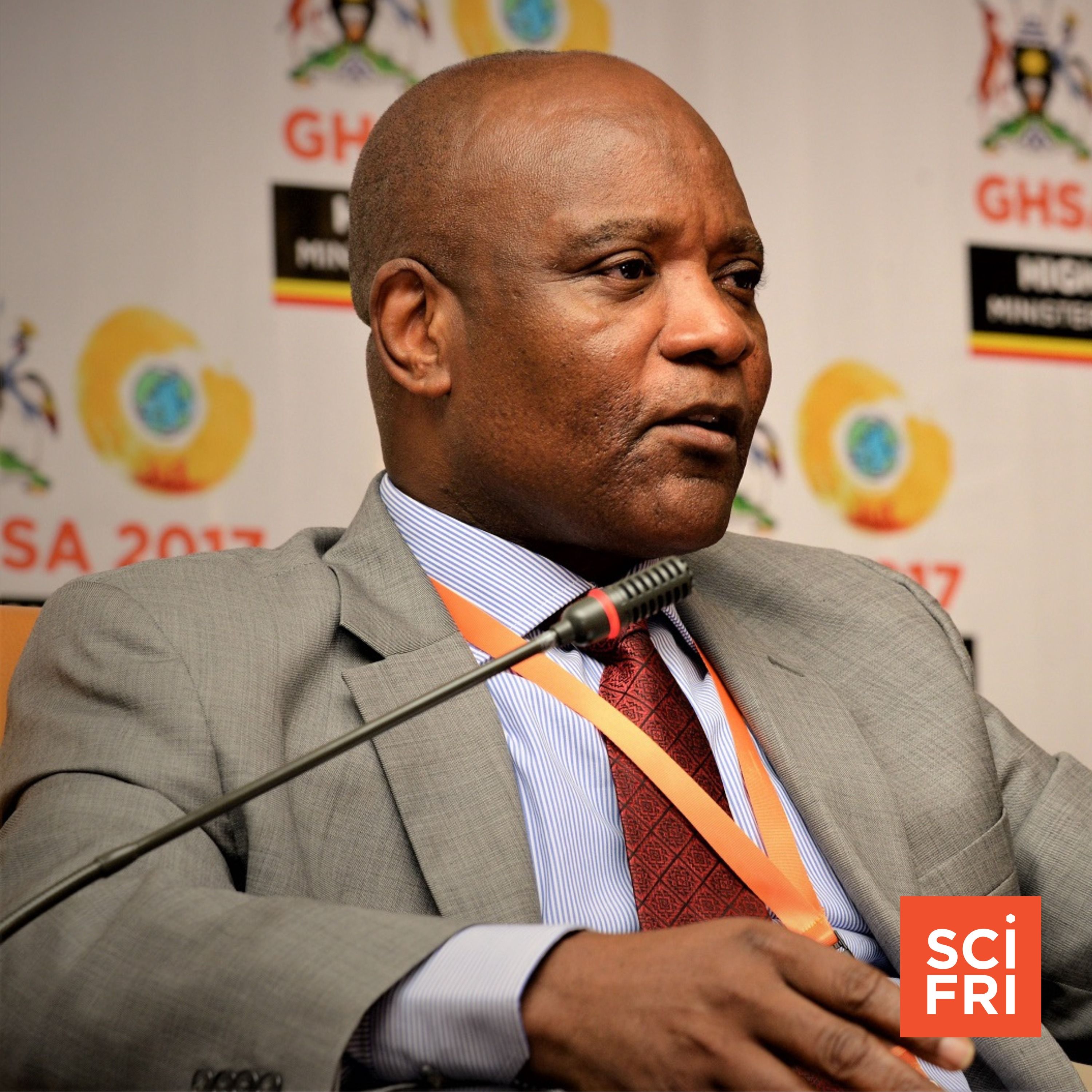
This Science Friday interview examines what a more resilient global health system should look like amid an Ebola outbreak in eastern Congo and Uganda, and amid changing U.S. priorities in international health. Host Flora Lichtman speaks with Dr. John Kengasong, former founding director of Africa CDC and a longtime global HIV/AIDS leader, about why outbreak response should be led more strongly by affected regions, why U.S. retreat from WHO and USAID matters, and what lessons HIV/AIDS offers for future pandemic preparedness.
Ebola, Africa-led response, and the role of the U.S.
What’s happening in the current outbreak
- The episode opens with concern over a major Ebola outbreak in the Democratic Republic of Congo, described as one of the largest on record.
- Kengasong emphasizes that the strongest response is coming from:
- the Congolese government,
- Africa CDC,
- regional WHO structures,
- UNICEF,
- and philanthropic partners such as the Gates Foundation and Mastercard Foundation.
Why regional leadership matters
- Kengasong argues that Africa now has institutions that can act quickly without waiting for guidance from Geneva or Washington.
- He sees Africa CDC as a major upgrade from the 2014 Ebola era, when such regional capacity did not yet exist.
- His core point: local and regional authorities are often best positioned to respond first because they are closest to the threat.
The U.S. role in global health
- Kengasong strongly defends historical U.S. leadership in global health, citing:
- PEPFAR,
- the Global Fund,
- polio eradication efforts,
- and U.S. CDC leadership in smallpox eradication.
- He says the U.S. pulling back from WHO and dismantling USAID is “unfortunate” and damaging.
- His argument is not humanitarian alone: global health protects everyone because disease spreads quickly across borders.
Lessons from HIV/AIDS and other outbreaks
Long-term investment works
- Kengasong uses HIV/AIDS as the clearest example of what sustained commitment can accomplish.
- He notes that U.S. investment of more than $100 billion over 25 years helped save an estimated 25 million lives.
- HIV/AIDS, he says, shows that serious disease control requires decades of resilience, not short political cycles.
Avoid the “panic and neglect” cycle
- He warns that the world repeatedly reacts to outbreaks with urgency, then forgets them once the crisis fades.
- This “pandemic memory loss” leads to weak follow-through and repeated mistakes.
- He argues that after COVID, the world should be building permanent defenses rather than improvising each time.
What a better system would include
Kengasong calls for a true global disease-defense system with:
- a trained workforce across countries,
- reliable diagnostic production and sharing,
- better trust between wealthy and lower-income nations,
- and stronger political and diplomatic commitment.
John Kengasong’s personal path
From curiosity to virology
- Born in Cameroon, Kengasong says his early drive came from curiosity and a desire to solve real problems.
- He first considered entomology and wildlife, then discovered virology and was drawn in by the challenge of diseases with no cure.
- He studied in Belgium, worked on HIV/AIDS, and eventually took roles in West and Central Africa and later at CDC headquarters in Atlanta.
A career built by creating new institutions
- He describes a career defined by taking on jobs that did not yet exist.
- In Côte d’Ivoire, he helped build a virology lab from scratch that became a regional platform.
- Later, he helped create a new lab branch in Atlanta for training African scientists.
- After Ebola devastated West Africa, he pushed to build Africa CDC from the ground up.
Notable insights
Key quote
“Global health is not about helping others, it’s about helping ourselves.”
Another central idea
“Once I know the why, the how, I don’t care about the how. I know I’ll find a way.”
These lines capture the episode’s main themes: curiosity, long-term commitment, and the idea that global health is a shared security system, not charity.
Main takeaways
- Outbreak response should be increasingly Africa-led, with global partners supporting rather than directing from afar.
- U.S. leadership has historically been crucial in fighting major diseases, and retreat from that role weakens global trust and preparedness.
- HIV/AIDS proved that sustained investment saves lives and that disease control is a long game.
- The world needs permanent preparedness infrastructure—workforce, diagnostics, coordination, and political will—not just emergency reactions.
- Global health is interconnected security, not optional aid.