Overview of A virus hunter in Nigeria has thoughts on the Ebola outbreak
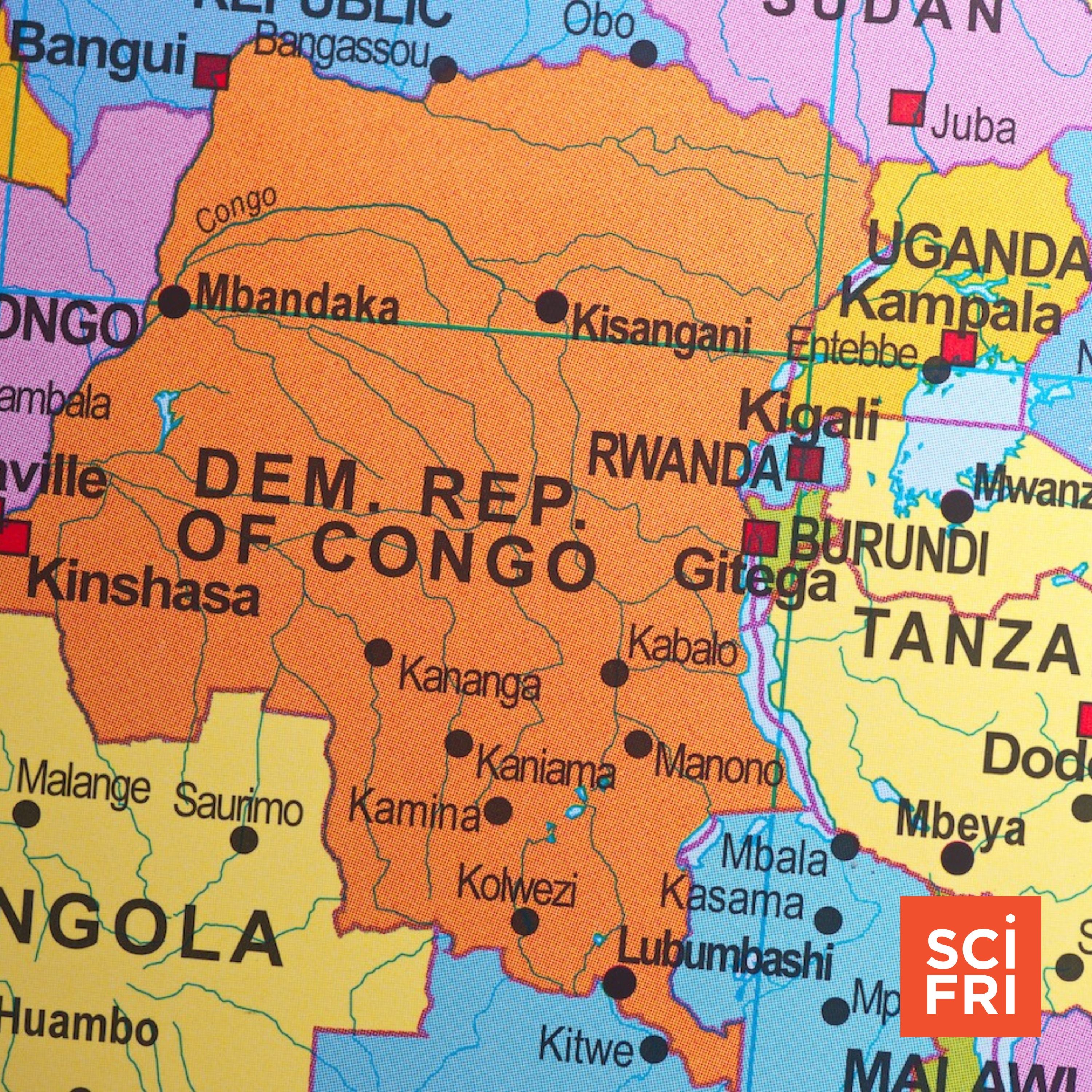
This Science Friday interview features Dr. Christian Happi—molecular biologist, genomic surveillance leader, and director of the Institute of Genomics and Global Health in Nigeria—discussing the current Ebola outbreak in the Democratic Republic of the Congo and Uganda, which is caused by the Bundibugyo ebolavirus strain. Happi explains why this strain is harder to respond to than the better-known Zaire ebolavirus, argues that the world has not learned enough from COVID-19, and makes the case for stronger genomic surveillance, faster data sharing, and African scientific self-reliance.
Key points from the interview
Why Bundibugyo Ebola is different
- The Bundibugyo strain has evolved separately from the Zaire strain, making it genetically distinct.
- Because vaccines, drugs, and diagnostics are often strain-specific, a less-studied variant creates major challenges.
- Happi says the outbreak is also an opportunity to sequence the virus and use the data to develop better countermeasures.
The problem: too little surveillance
- Happi argues that the strain was not studied enough largely because of weak investment in disease surveillance and genomic monitoring, especially by African governments and the global health community.
- He says that if surveillance systems had been in place earlier, researchers might have identified and studied the virus before the outbreak escalated.
Sentinel: an early-warning system for outbreaks
- Happi co-created Sentinel with Dr. Pardis Sabeti of the Broad Institute.
- Sentinel is designed around three pillars:
- Detect pathogens quickly, including unknown ones
- Connect information rapidly to public health decision-makers
- Empower local actors across the outbreak-response chain
- The goal is to combine speed and accuracy so outbreaks can be contained before spreading widely.
Sentinel’s track record in Nigeria
- Happi points to Nigeria’s 2014 Ebola response as a success story:
- The country contained the outbreak in 93 days
- There were only 20 cases and one death
- He also describes another example in southern Nigeria, where an unknown outbreak killing children was identified as yellow fever within 72 hours, helping stop it quickly.
Early detection was difficult in the DRC outbreak
- Happi says the outbreak likely circulated for some time before detection.
- He emphasizes that it began in Ituri, a region with very limited government presence and control, making organized response much harder.
- Once the virus reached areas with more governance, authorities were able to respond more effectively.
What the world got wrong after COVID-19
- Happi says both Africa and the West failed to carry forward key lessons from the pandemic:
- Keep investing in surveillance
- Improve information sharing
- Strengthen research and development
- Speed up development of vaccines, drugs, and diagnostics
- Build stronger health systems in hard-to-reach places
- His core warning: any outbreak anywhere can become a global threat within days.
Broader themes and takeaways
Pathogens as “opportunities in disguise”
- Happi argues that Africa’s biodiversity includes not just natural resources, but also pathogens that can be studied to produce:
- Next-generation diagnostics
- Next-generation vaccines
- Next-generation drugs
- He sees this as a path toward health sovereignty, self-determination, and global health security.
A call for African scientific independence
- He says colonial history still shapes African science and health systems, but Africa must also take responsibility for building its own capacity.
- His message is blunt: African countries need to act more and talk less, and invest in the systems that let them lead their own scientific future.
Dr. Happi’s personal story
From malaria patient to molecular biologist
- Happi grew up in rural Cameroon, where malaria was common and deadly.
- After a severe childhood malaria episode, he told his mother he would find a cure one day.
- A later lesson about DNA and the discovery of its structure inspired him to study biology more seriously.
- He studied biochemistry, pursued malaria research in Nigeria, and eventually worked at Harvard on the malaria parasite’s genetics.
What he hopes to build next
- Happi says the mission is to create a strong scientific foundation in Africa so that young researchers can do world-class work.
- He notes that his institute has already trained 3,000+ young African scientists from 53 of 54 African countries.
- His long-term goal is to ensure Africa has the infrastructure, expertise, and resources to develop its own countermeasures against future outbreaks.
Bottom line
- Genomic surveillance is essential for modern outbreak response.
- Early detection and rapid information sharing can save lives.
- Africa should be treated not just as a site of outbreaks, but as a place where scientific capacity and public health leadership can grow.
- The interview is both a warning about Ebola and a broader argument for global preparedness, African-led science, and sustained investment in public health systems.