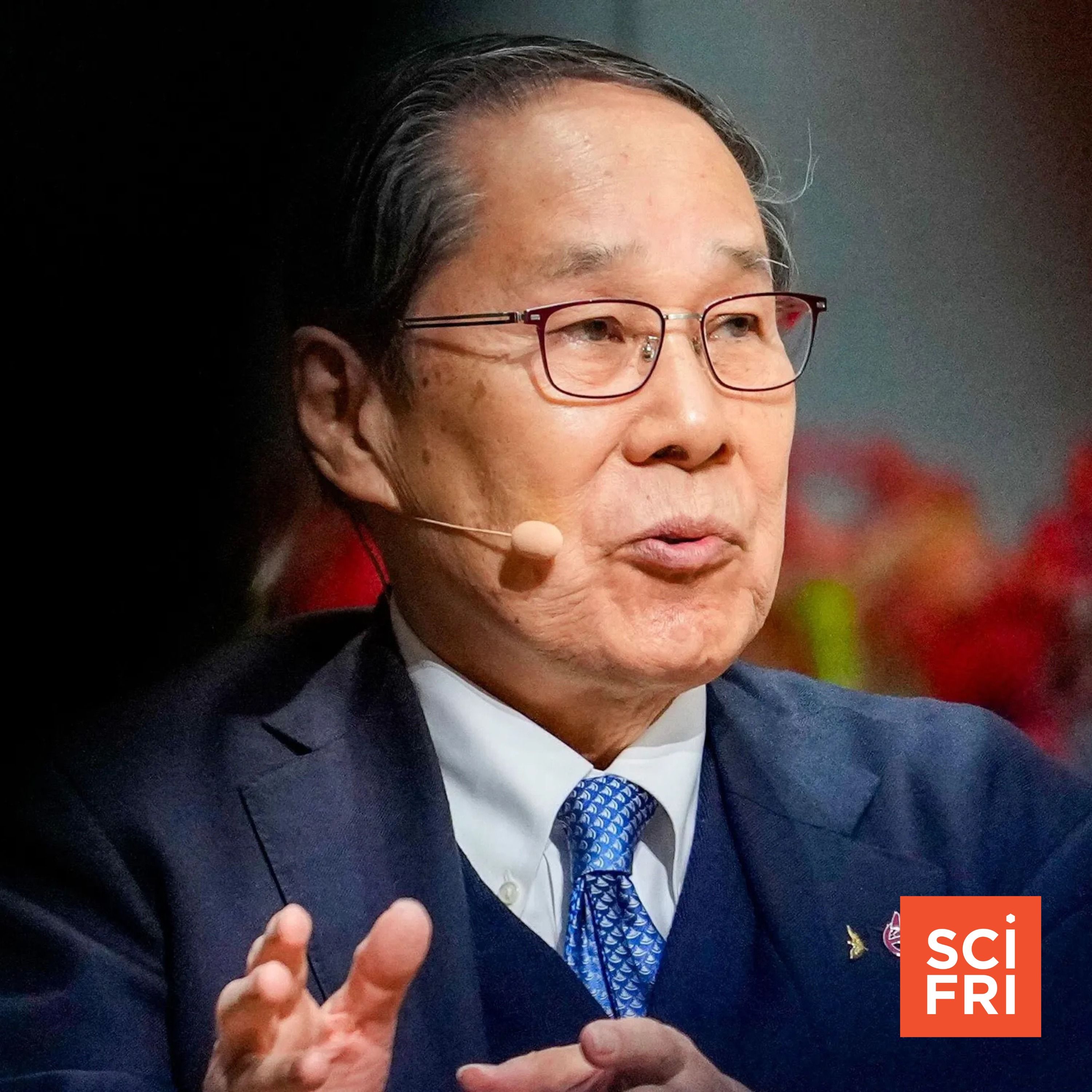
Overview of Science Friday: A Nagasaki Survivor and Physician Recounts His Life’s Work
This Science Friday conversation, shared for the 80th anniversary of the Hiroshima and Nagasaki bombings, features Dr. Masao Tomonaga—a Nagasaki hibakusha (atomic bomb survivor), hematologist, and longtime doctor for other survivors. He reflects on surviving the bombing as a toddler, his father’s early medical observations of radiation-related illness, and his own decades-long effort to treat and study the enduring health effects of atomic radiation. The interview also becomes a plea for nuclear disarmament, framed by his lifelong work with survivors still living with the consequences of the bomb.
Key Themes and Takeaways
The bombing’s effects did not end in 1945
- Dr. Tomonaga explains that the atomic bomb created both immediate and long-term health consequences.
- Immediate effects included:
- severe burns
- miscarriages
- birth defects
- mass fatalities
- Long-term effects included:
- leukemia, especially in the first 20 years after the bombing
- later increases in solid cancers such as lung and colon cancer
- myelodysplastic syndrome (MDS), identified decades later and linked to radiation exposure
Radiation-related illness persisted across a lifetime
- Tomonaga says the radiation effects should be understood as lifelong, not temporary.
- He explains that radiation caused genetic abnormalities in stem cells, which could remain dormant for decades before turning into disease.
- He emphasizes that the delayed onset of cancers and blood disorders was a major scientific surprise.
Psychological trauma remained severe for decades
- Beyond physical illness, many survivors suffered recurring anxiety, insomnia, and flashbacks.
- Tomonaga describes seasonal worsening around the annual anniversary period of the bombing.
- A large 1995 survey of 8,000 survivors found extremely high psychological distress among those who lived within 1.5 kilometers of the blast center.
- He also notes that as survivors age into their 80s and beyond, some traumatic memories appear to fade, which may reduce their anxiety.
Dr. Tomonaga’s Personal and Professional Path
A survivor shaped by family and history
- Tomonaga was only two years old in Nagasaki at the time of the bombing.
- His mother rescued him from the partially destroyed house, likely saving him from the firestorm.
- His father, a physician serving in Taiwan during the war, later returned to Nagasaki and became one of the doctors treating hibakusha.
His father helped connect leukemia to radiation
- Tomonaga says his father noticed a rise in leukemia among children and survivors.
- This pattern helped establish the link between the bomb’s radiation exposure and later blood cancers.
- He describes Hiroshima and Nagasaki as, in effect, two tragic “experiments” in mass radiation exposure.
Why he became a doctor
- Tomonaga says medicine was a natural path in a family of doctors.
- As a high school student, he became increasingly aware of radiation-induced leukemia and even feared he might develop it himself.
- That fear and curiosity helped drive him into hematology and survivor care.
His Ongoing Work with Survivors
Daily care for aging hibakusha
- Tomonaga now directs a nursing home for hibakusha with about 450 residents.
- He continues to examine 20 to 30 patients a day for ordinary illnesses like fevers, diarrhea, influenza, and COVID-19.
- He also remains alert for radiation-associated diseases such as MDS and cancer, especially in survivors who lived closer to ground zero.
A haunting sense of the bomb “living” in the body
- One patient told him she felt the atomic bomb was still inside her body.
- Tomonaga explains that this feeling is not about lingering radiation in most cases, but about the long shadow of radiation-linked disease and fear.
- He notes that tiny traces of plutonium were later found in some autopsied survivors, but these amounts were so small that they likely had little effect on cancer risk.
Final Message: Nuclear Weapons Must Be Abolished
A warning from 80 years of evidence
- Tomonaga argues that 80 years is enough to show the atomic bomb is an inhumane weapon.
- He warns that a large-scale nuclear war could threaten the survival of humanity.
His call to action
- He says the world should move toward a nuclear weapon–free future.
- He wants leaders of nuclear-armed states to make the decision to eliminate these weapons.
- He expresses cautious hope in younger generations, but worries about whether they can successfully pressure their governments to act.
Notable Insight
“Lifelong effects of atomic bombing” — Dr. Tomonaga’s core message is that the bomb’s damage extends far beyond the day of detonation, affecting survivors physically, psychologically, and socially across their entire lives.