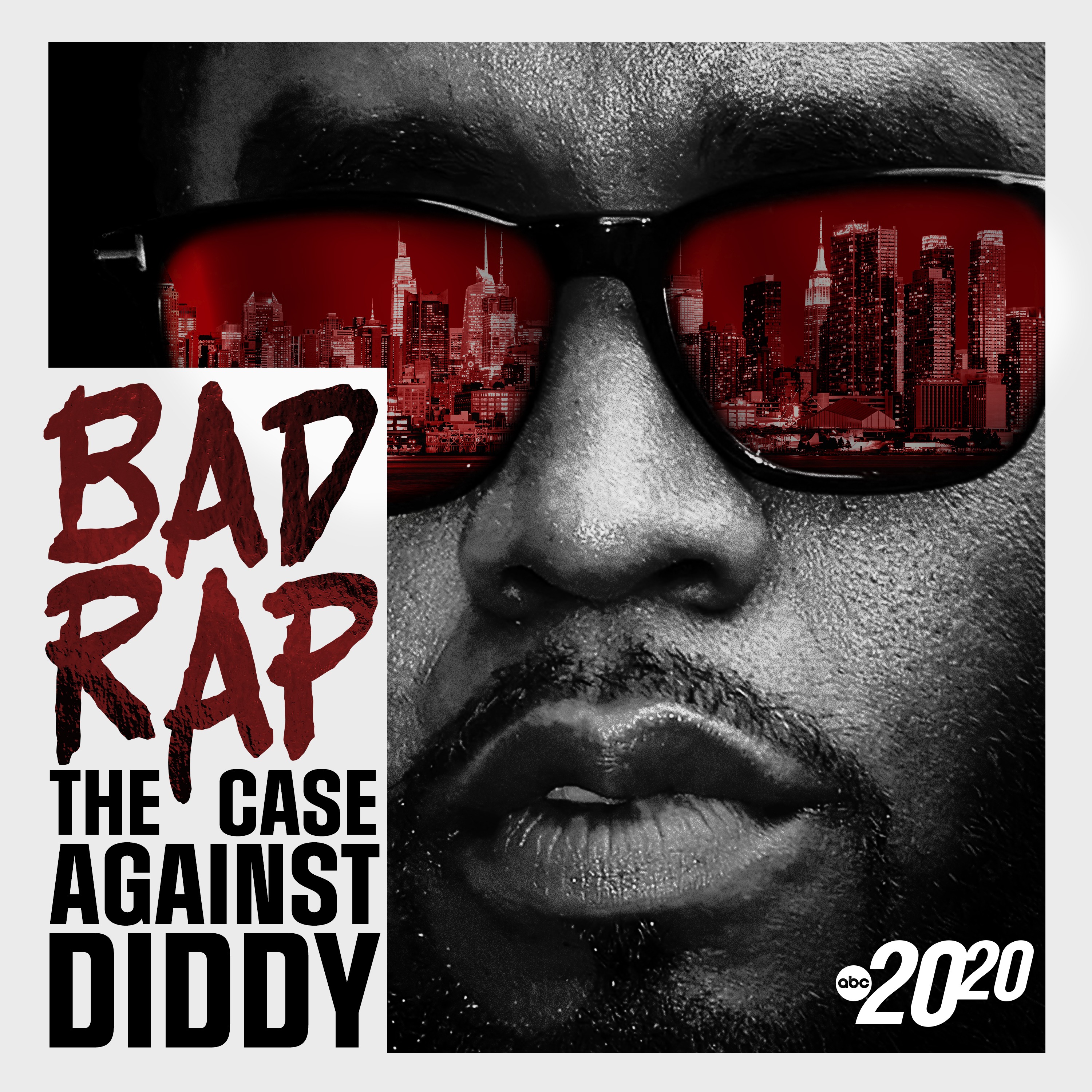
Overview of Bad Rap: The Case Against Diddy — Episode 1: "Party’s Over"
This episode (the first of a six-part ABC Audio / Bad Rap series) chronicles Sean “Diddy” Combs’ public ascent as a music and cultural mogul and the abrupt unraveling of that image after a cascade of civil suits and federal criminal charges. Episode 1 — “Party’s Over” — centers on Diddy’s famous white parties as a lens for his influence and exclusivity, details the November 2023 lawsuit from ex-girlfriend Cassie that opened the floodgates for further allegations, and follows the investigations, arrest, pretrial detention, and conditions he’s facing while awaiting trial.
Key points and main takeaways
- The series frames two competing images of Diddy: the charismatic, empire-building mogul and the predatory figure alleged by multiple accusers.
- A 2009 white-party video (widely shared) is presented as symbolic: glamorous on its face, but — in retrospect — containing early clues of a darker underside.
- In November 2023 Cassie Ventura filed a civil suit alleging long-term abuse, sex trafficking and orchestrated filmed sexual parties (“freak-offs”). She later settled for an undisclosed amount.
- After Cassie’s suit, many more individuals filed civil suits alleging rape, sexual assault, drugging, videotaped assaults, and sex trafficking. These claims later became the basis for federal criminal investigations.
- Federal criminal charges later alleged sex trafficking, transportation to engage in prostitution, and racketeering conspiracy spanning decades. Diddy pleaded not guilty.
- Diddy was arrested in New York (hotel arrest captured on security footage), denied bail multiple times, and held in the Metropolitan Detention Center (MDC) in Brooklyn.
- Prosecutors argued Diddy posed a risk of witness intimidation and obstruction; they cited pre-arrest calls/texts and alleged jail communications, and alleged attempts to use others’ phone accounts.
- MDC is described as dangerous and deteriorated (past incidents, “freeze-out” in 2019, suicides, violence). Diddy is in special housing; guards and retired wardens discussed risks, corruption and the strain his incarceration places on the facility.
Timeline (as presented in the episode)
- 1998–2009: Diddy builds influence — hit records, reality TV prominence (Making the Band), and high-profile, Gatsby-style white parties attended by A-list celebrities.
- 2009: Notable Independence Day white party captured on video (Jay Blaze/YouTube) — used as an early touchstone in the episode.
- November 2023: Cassie Ventura files civil suit alleging abuse, trafficking, filmed “freak-offs”; settlement announced a day later.
- Following months: Multiple additional civil suits filed alleging similar abuses and trafficking practices.
- Fall (season/year described in the series): Federal investigators raid Diddy’s homes; criminal charges are filed; Diddy is arrested in New York and ordered detained without bail.
- Pretrial: Repeated bail denials citing risk of witness tampering and obstruction; allegations of attempted jail communications and use of inmate phone access.
Legal allegations and procedural status
- Civil allegations across multiple plaintiffs include: sexual assault, rape, human trafficking, coercion via drugs (ketamine, GHB, ecstasy), videotaping assaults, and sex parties organized and filmed by Diddy.
- Federal criminal charges: sex trafficking, transportation to engage in prostitution, and racketeering conspiracy (allegations mirror many civil claims and span a multi-decade period).
- Diddy’s position: Pleaded not guilty; counsel Mark Ignifolo described him as a music icon and philanthropist, an imperfect person but not a criminal; Diddy settled some civil claims without admitting guilt.
- Pretrial conditions: Denied bail multiple times due to concerns about danger to the community and potential witness intimidation; prosecutors cited recorded calls/texts and alleged attempts to access external phone lines from jail.
Conditions at MDC and custodial details
- MDC Brooklyn is portrayed as overcrowded, mismanaged and dangerous: past incidents include deaths, stabbings, suicides, and the 2019 “freeze-out” (power loss, extreme cold).
- Diddy has been housed in a special housing unit (separated from general population for safety). Retired prison officials suggested he might require near-isolation; reports indicate he has at least some inmate contact.
- Allegations of contraband, corruption and illicit privileges at MDC (cell phones, special meals) are discussed as endemic problems; since Diddy’s arrival there have been lockdowns and contraband sweeps.
- The episode juxtaposes Diddy’s previous lifestyle (multiple mansions, luxury) with the stark conditions of a federal detention center.
Notable quotes / moments
- Conan O’Brien clip (2002): a joking exchange about “locking doors so women can’t leave,” now read differently in light of later allegations.
- Prosecutors (court filing): “The defendant has shown repeatedly, even while in custody, that he will flagrantly and repeatedly flout rules in order to improperly impact the outcome of his case.”
- Retired warden Cameron Lindsay on incarceration shock: “For somebody… who has boatloads of money… it’s like going 100 miles an hour and slamming into a wall.”
People and roles highlighted
- Sean “Diddy” Combs — defendant; music mogul and central figure.
- Cassie Ventura — ex-girlfriend and first prominent civil plaintiff whose suit precipitated others.
- Brian Buckmeyer — host/narrator (attorney, ABC legal contributor).
- Mark Ignifolo — Diddy’s attorney (quoted defending him).
- Cameron Lindsay — retired warden and corrections expert interviewed about MDC conditions.
- Aaron Katursky — ABC News chief investigative correspondent (courtroom reporting referenced).
- Other referenced entertainers/attendees: Jay-Z, Beyoncé, Ashton Kutcher, Jay Blaze (videographer), and many celebrities who attended Diddy’s white parties.
What the series promises / listening guidance
- The six-episode arc will:
- Trace Diddy’s rise (next episode: early life to stardom, cover of Rolling Stone).
- Examine early signs and allegations of misconduct.
- Walk through civil suits, investigative reporting, raids, indictments and the criminal trial (with twice-weekly updates once trial begins).
- Episode 1 sets the stage — background on influence, the catalyst lawsuits, arrest and the human contrast between public persona and detention life.
- Recommended for listeners who want a comprehensive, journalism-driven chronology of the allegations and court process rather than a defense- or victim-only narrative.
Production credits (brief)
- Production: ABC Audio / Bad Rap (2020 series); Episode produced/written by Vika Aronson, Camille Peterson, Nancy Rosenbaum; host Brian Buckmeyer.
- Reporting and investigative support: Impact by Nightline, GMA, ABC News Investigative Unit.
- Other credits: story editor Tracy Samuelson, supervising producer Sasha Aslanian, original music by Evan Viola, mixing by Rick Kwan.
Main questions the episode leaves open
- Which witnesses and pieces of evidence will carry the case at trial?
- How many of the civil allegations will translate into criminal proof beyond a reasonable doubt?
- How will pretrial publicity and the conditions of detention affect the trial and jury selection?
- What systemic or cultural factors allowed alleged abuses (if true) to remain unexposed for so long?
If you want a concise timeline chart, a one-paragraph legal-status summary to share, or a list of episodes to prioritize, I can produce that next.