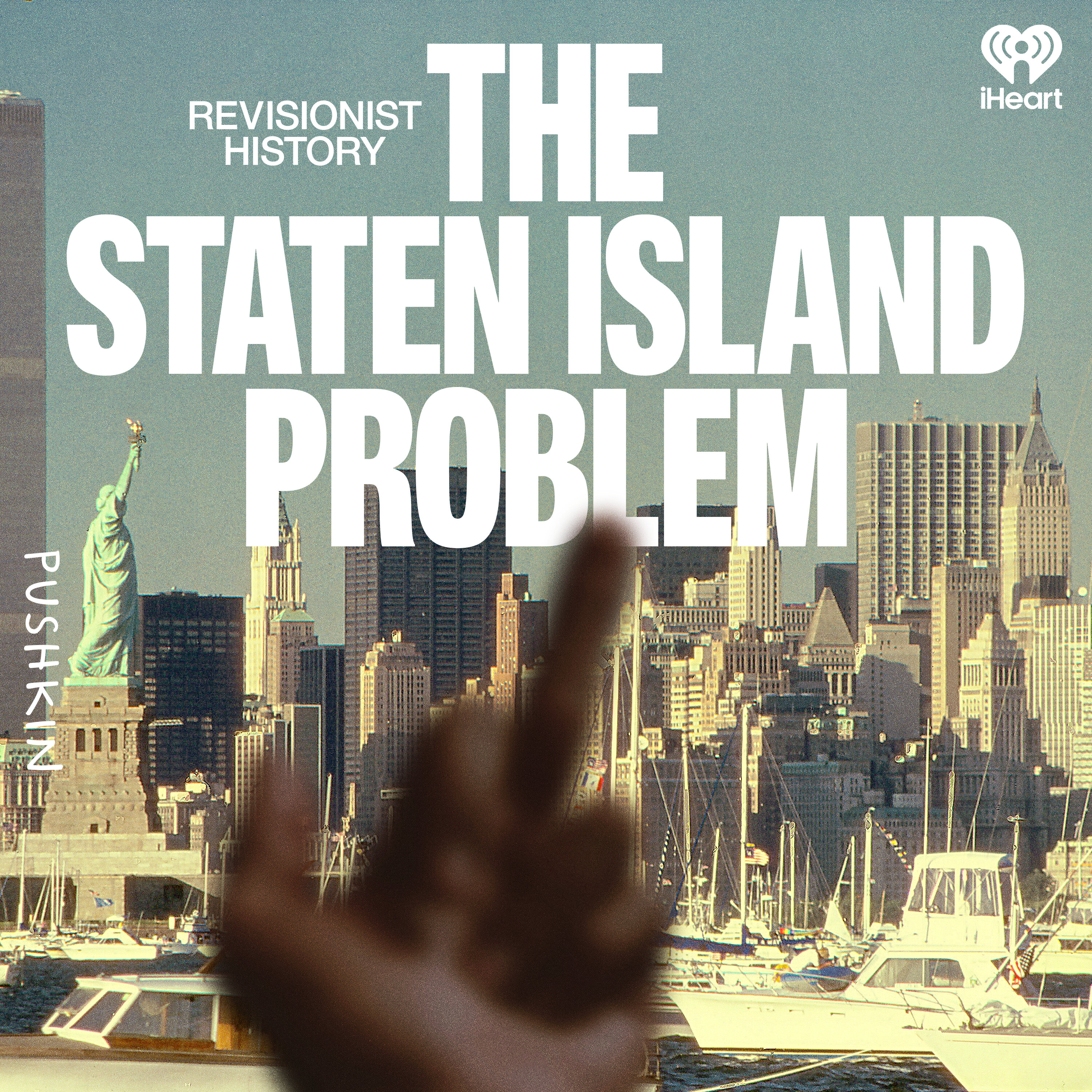
Overview of The Staten Island Problem - Part 1: The Mayor vs. the Borough President
This opening episode of Revisionist History launches a five-part series about Staten Island’s late-1980s and early-1990s push to secede from New York City. Using the conflict between Mayor David Dinkins and Staten Island Borough President Guy Molinari as the central storyline, the episode shows how race, class, policing, public anger, and borough identity collided during a turbulent moment in New York history. The episode frames Staten Island’s grievance as more than a local dispute: it becomes a case study in what happens when people stop believing they belong to the same political community.
What the Episode Is About
The episode introduces Staten Island as New York City’s “Forgotten Borough” — geographically distant, culturally distinct, and chronically mocked or ignored by the rest of the city. Ben Nadeff-Haffrey argues that Staten Island’s secession movement was not just about local frustration, but about a deeper fracture in American civic life.
The story is set in the early 1990s, amid:
- rising crime and public fear in New York City
- the election of David Dinkins, New York’s first Black mayor
- growing tension between City Hall and the police
- Staten Island’s campaign to break away from the city
Main Storyline
David Dinkins and the City’s Fragile Coalition
- Dinkins is presented as a conciliatory, idealistic figure who saw New York as a “gorgeous mosaic” of different peoples and neighborhoods.
- He became mayor at a moment when the city had become majority-minority, and his election was widely viewed as historically significant.
- But his inclusive vision collided with the reality of borough-level resentment, especially on Staten Island.
Staten Island’s Secession Movement
- Staten Island had long seen itself as ignored, underappreciated, and treated as a dumping ground — literally and politically.
- The borough had already been home to the city’s largest landfill and had missed out on promised infrastructure projects.
- By the late 1980s, many residents were serious about leaving New York City entirely.
The Washington Heights Police Killing and Aftermath
- A police shooting in Washington Heights, involving a young man identified in the episode as Kiko Garcia, triggered riots and intensified public anger.
- Dinkins sympathized with the family and tried to calm the situation, including paying for Garcia’s body to be returned to the Dominican Republic.
- Police and their allies saw his response as a betrayal, and Staten Island’s borough president, Guy Molinari, used the moment to attack Dinkins.
Dinkins’ Visit to Staten Island
- Dinkins travels to Staten Island for a highly politicized week-long visit meant to defuse the secession threat.
- Molinari turns the visit into a public humiliation campaign, greeting the mayor with sarcasm and emphasizing local resentment.
- Dinkins tries to argue that secession violates democratic principles and that the city must stay together, but he is repeatedly undermined by the setting, the media, and the political theater.
Key People
David Dinkins
- First Black mayor of New York City
- Idealistic, orderly, and conciliatory
- Determined to hold the city together despite deep tensions
Guy Molinari
- Staten Island borough president
- Old-school, combative, and politically shrewd
- Positions himself as the voice of Staten Island’s anger toward City Hall
Malcolm Gladwell
- Appears as a witness to the era and describes New York in the 1980s and early 1990s as a place people often left rather than sought out
Major Themes
1. Regional Alienation
Staten Island is portrayed as a place that feels disconnected from the rest of New York City in housing, politics, race, transit, and culture.
2. Race and Representation
The episode strongly suggests that Staten Island’s hostility toward Dinkins was inseparable from the fact that he was Black and represented a changing city.
3. Policing and Public Order
The Washington Heights killing exposes the widening gap between the mayor, the police, and communities of color.
4. The Fragility of Political Unity
The secession fight becomes a metaphor for how civic coalitions can unravel when trust collapses.
Why This Episode Matters
The episode is setting up a broader argument: that Staten Island’s secession movement is not just a quirky New York footnote, but an early warning sign of the kind of political fragmentation now visible across the United States.
The core idea is that:
- people who feel ignored can become politically radicalized
- local resentment can reshape large-scale politics
- democratic systems depend on a shared willingness to stay in the same room, even when people disagree
Notable Takeaway
The episode’s central warning is that when a community decides it is no longer part of the same political project, the result is not just protest — it can be a real threat to the stability of the whole system.
Setup for the Rest of the Series
This first installment ends with the sense that:
- Staten Island may not actually leave New York City
- but its anger and political style could still reshape the city from within
- and the fight over secession is only the beginning of a much larger story about division, power, and political identity