Overview of The Other Johnson and Johnson | Planet Money
This Planet Money episode tells the story of George and Joan Johnson, the Black entrepreneurs behind Johnson Products and its iconic hair-care brands like Ultra Sheen and Afro Sheen. Framed through three hairstyles — the conk, the afro, and the jerry curl — the episode shows how a business built from Black consumers’ needs helped create a major industry, funded civil rights efforts, supported Black media, and eventually lost control as larger companies moved in.
Main Storyline
George Johnson grew up poor in Chicago during the Great Depression and started working as a child. He later met Joan at Wendell Phillips High School and eventually entered the beauty and cosmetics business. While working in a Black-owned cosmetics company, he met barber Orville Nelson, who had developed an imperfect hair straightener for Black men.
George recognized both the chemistry problem and the market opportunity. After months of experimenting, he helped stabilize the formula, leading to Ultra Wave Hair Culture. That product became the foundation of Johnson Products Company, later run by George and Joan Johnson.
The Three Hairstyles Framework
1. The Conk
- In the 1950s, many Black men straightened their hair with harsh chemical products.
- The conk reflected the pressure to assimilate into white beauty standards.
- George saw that Black consumers wanted effective, reliable straightening products, and he built a business around that demand.
2. The Afro
- By the mid-1960s, the civil rights and Black power movements shifted beauty standards.
- Natural hair became politically and culturally significant.
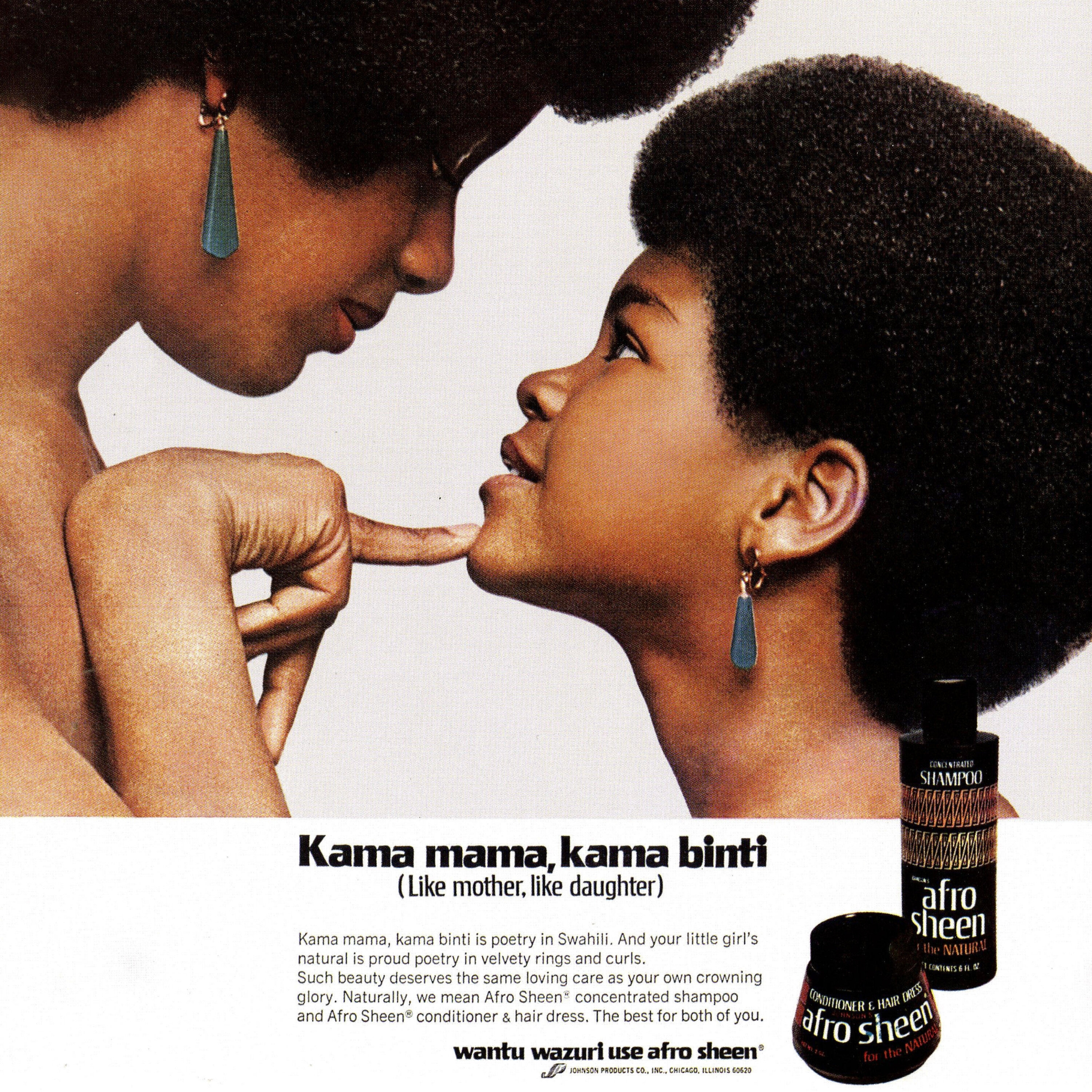
- Johnson Products responded with Afro Sheen, a moisturizer for afros, helping the company stay aligned with changing Black identity and style.
3. The Jerry Curl
- In the late 1970s and early 1980s, the jerry curl became the new trend, especially after Michael Jackson popularized it.
- Johnson Products was too slow to adapt.
- Competitors moved faster, and the company’s dominance began to fade.
Why Johnson Products Mattered
The Johnsons’ success was bigger than hair care. Their company became a pillar of Black economic power by:
- Hiring mostly Black workers and paying them well
- Supporting Black-owned financial institutions, including Independence Bank
- Helping finance civil rights work, including a loan to Martin Luther King Jr.
- Sponsoring Soul Train, which became a crucial platform for Black music and culture
Their business showed that paying attention to Black consumers could create enormous value.
The Rise and Fall of the Company
The company went public in 1971, becoming the first Black-owned firm listed on the American Stock Exchange. That brought money and visibility, but also pressure:
- Shareholders and outside executives began influencing decisions
- Larger companies like Revlon saw the profitability of Black hair care
- Johnson Products became more exposed and less nimble
- Warning-label regulations and product-safety concerns also hurt the relaxer market
Eventually, the company declined. Joan later helped stabilize it, and in 1993 she sold Johnson Products to a white-owned pharmaceutical company for $70 million.
Legacy and Takeaways
- George and Joan Johnson helped create what is now a multi-billion-dollar Black hair-care market.
- Their story is one of both entrepreneurship and cultural influence.
- It also shows a painful irony: Black innovation in beauty products opened a lucrative market that others later came to dominate.
- For Olivia Joan, their granddaughter, the legacy is personal and complex — pride in what they built, but frustration that so much of today’s Black hair-care industry is no longer Black-owned.
Key Themes
- Black consumer power as economic opportunity
- Beauty standards and racial identity
- Entrepreneurship as community building
- How public markets can dilute founder control
- The commercial value of cultural understanding
Notable Insight
A central lesson of the episode is that Johnson Products succeeded because the Johnsons understood that Black culture was not a niche — it was a market with real needs, real money, and real influence. Their products did more than sell hair care; they helped shape Black style, Black business, and Black power.