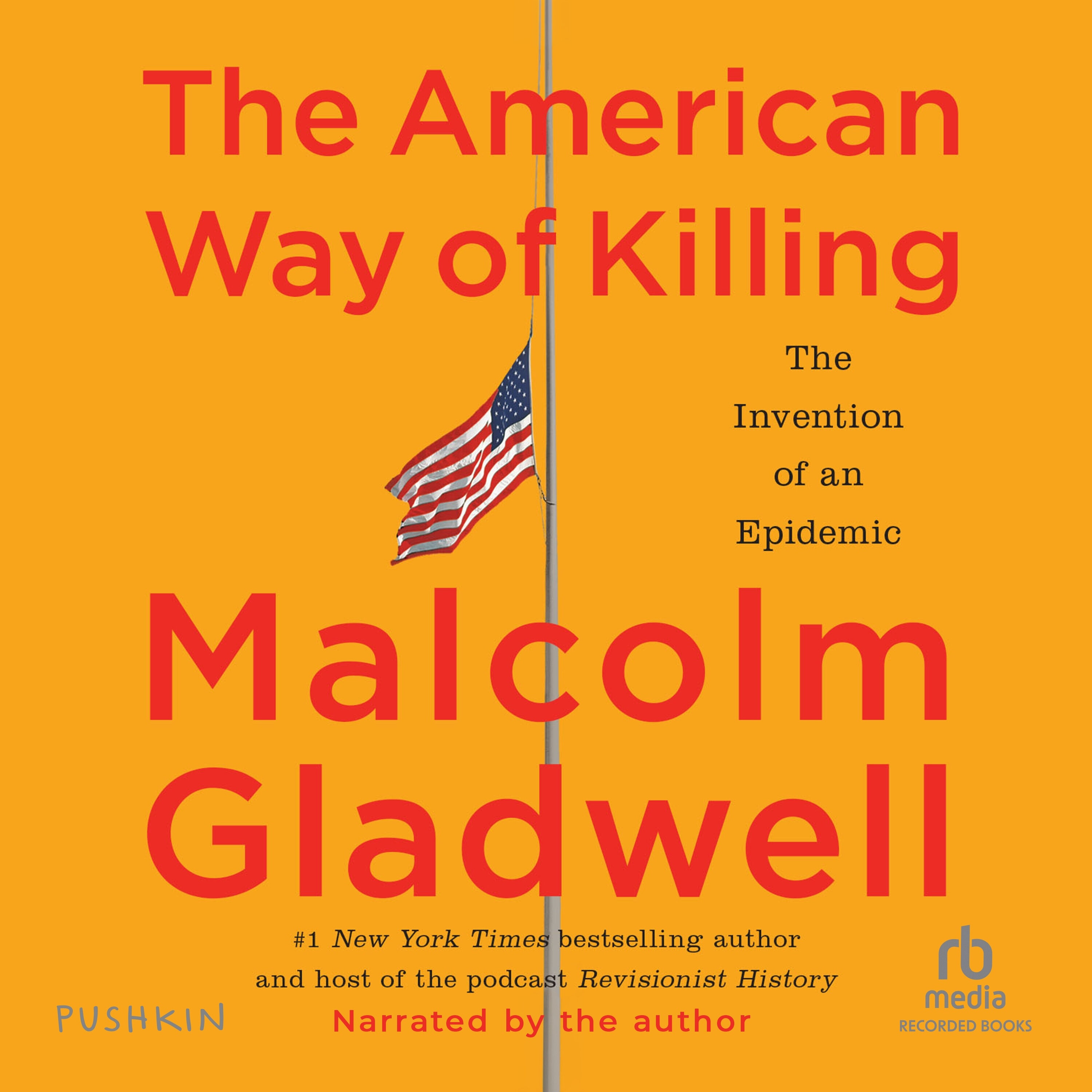
Overview of The Invention of an Epidemic
This excerpt from Malcolm Gladwell’s upcoming book, The American Way of Killing: The Invention of an Epidemic, argues that the modern American gun debate—especially the meaning of the Second Amendment—cannot be understood apart from slavery. The chapter traces the Stono Rebellion of 1739, the rise of slave patrols in the South, and the political fears of Virginia’s planter class, then connects those fears to the drafting of the Second Amendment and later Supreme Court interpretation in District of Columbia v. Heller.
Key Historical Story: The Stono Rebellion
- In 1739, a group of enslaved men in South Carolina led by Jemmy rebelled after exhausting labor digging canals near the Stono River.
- They attacked a store, took weapons and supplies, marched south while crying “Liberty,” and killed white colonists they encountered.
- The rebellion terrified white slaveholders and confirmed their fear that enslaved people could rise up violently.
- In response, Southern colonies intensified slave patrols, restrictions on enslaved people, and reliance on local militias to maintain control.
The Real Function of Militias in the South
- Gladwell argues that militias in the colonial South were not just about external defense; they were deeply tied to slavery and social control.
- Slave patrols were essentially militia duty: armed white men patrolled roads, checked passes, enforced curfews, and suppressed rebellion.
- In South Carolina and Virginia, the militia system was inseparable from the institution of slavery.
- The excerpt frames the militia as the “last and best defense” of the plantation system.
Reinterpreting the Second Amendment
- The episode focuses on the grammar of the Second Amendment:
- “A well regulated Militia, being necessary to the security of a free State…”
- “…the right of the people to keep and bear Arms, shall not be infringed.”
- Gladwell argues the amendment was written to protect militias because white Southern elites wanted to preserve armed slave patrols.
- He emphasizes that James Madison, a Virginian and slaveholder, had strong incentives to reassure worried Southern delegates that the new Constitution would not weaken their ability to control enslaved people.
- The chapter suggests the amendment was a political compromise aimed at preserving slave society, not a broad, timeless statement of individual gun rights.
The Supreme Court and District of Columbia v. Heller
- The excerpt uses the 2008 Heller case as a modern example of how the Second Amendment gets interpreted.
- During oral arguments, the justices debated the wording as if they were parsing an 18th-century grammar puzzle.
- Gladwell criticizes the Supreme Court’s eventual conclusion that the prefatory militia clause does not limit the operative right-to-bear-arms clause.
- He argues that this reading ignores both historical context and the amendment’s original purpose.
Main Takeaways
- The Second Amendment, in Gladwell’s telling, is rooted in fear of slave rebellion and the need to preserve armed white control in the South.
- Slave patrols and militias were central to the maintenance of slavery.
- The conventional image of the Second Amendment as tied to Minutemen and civic liberty is, in this account, incomplete and misleading.
- Understanding the amendment honestly requires acknowledging the role of slavery in its creation.
Core Thesis
Gladwell’s central claim is stark: the Second Amendment was not primarily about a generalized right to self-defense or abstract liberty. It was, at least in part, a constitutional guarantee meant to preserve the armed infrastructure of slavery.
Notable Framing
- The chapter repeatedly contrasts two images:
- the patriotic Minuteman
- the armed slave patrol
- Its argument is that the second image is the historically accurate one for understanding the amendment’s origins.