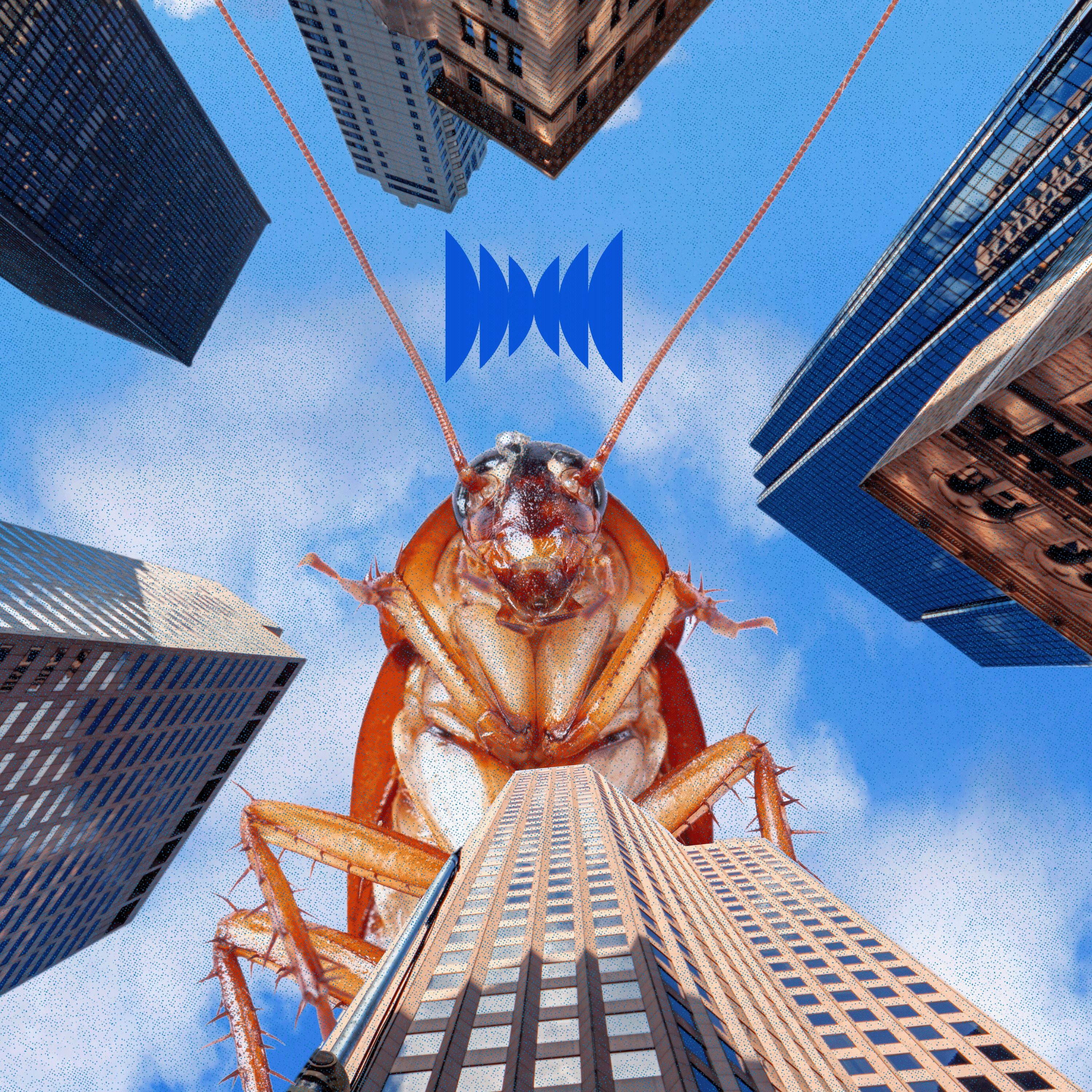
Overview of This American Roach
This Radiolab episode follows reporter Alex Neason as she tries to understand — and eventually reduce — her intense fear and disgust of cockroaches, especially the American cockroach. What begins as a personal story about a roach encounter in her apartment becomes a larger exploration of disgust, pest control, food, colonial history, racism, and the way humans decide which animals count as “pests.”
What the episode is about
- Alex opens with a vivid roach encounter in her bathroom that leaves her panicked and ashamed, even as an adult science reporter.
- Wanting to stop “losing her mind” every time she sees a cockroach, she spends time with:
- exterminators and pest-control workers
- an entomologist
- a “bug chef” who cooks edible insects
- a writer thinking about the idea of “pests”
- The episode moves from practical pest removal to a deeper question: why do some animals trigger such intense revulsion, and what social forces shape that reaction?
Key moments and storyline
1. Alex’s fear of roaches is personal and overwhelming
- A large roach in her apartment triggers a full-body panic response.
- She tries everything:
- asking her cat to handle it
- covering it with cleaner-soaked paper towels
- squashing and bagging it
- Even after doing the “right” thing, she realizes her reaction is not just annoyance — it’s fear and disgust that feels out of proportion.
2. She goes to pest professionals to learn how to stop being afraid
- At the New York City Pest Expo, she meets exterminators who are calm around infestations that would horrify most people.
- She shadows pest-control workers Lakeisha Fulcher and Cedric Simmons and learns:
- how to spot roach activity
- how to identify droppings and hiding places
- how strong insecticides work
- She briefly gains confidence and feels less afraid when she is actively confronting roaches in controlled settings.
3. The “roach-in-the-sink” moment resets everything
- Back in her own apartment, she spots a roach in the sink.
- Despite her training, she panics and calls a friend to kill it.
- This shows that intellectual understanding alone doesn’t erase instinctive disgust.
4. Cooking roaches does not magically solve the problem
- Alex turns to chef Joseph Yoon, who specializes in edible insects.
- They try various insects as food, but when they reach cockroaches:
- dubia roaches are unpleasant
- Madagascar hissing cockroaches are only marginally better
- American cockroach is effectively inedible
- Yoon concludes that the American cockroach’s smell and taste are a warning sign — it’s not a good candidate for human consumption.
- The experiment backfires and reinforces, rather than erases, Alex’s repulsion.
Bigger ideas and themes
Disgust is not just biological — it’s social
- The episode uses cockroaches to explore how humans label animals as dirty, dangerous, or worthless.
- Science writer Bethany Brookshire argues that “pest” is a category humans create when an animal succeeds too well at living near us.
- The label turns a living creature into something disposable.
Cockroaches are resilient, not inherently “evil”
- Entomologist Sammy Ramsey reframes roaches as survivors:
- ancient species
- incredibly adaptable
- fast and resilient
- able to survive extreme conditions
- Roaches aren’t dirty by nature; they often become associated with filth because they live where human waste and neglect accumulate.
The episode connects roaches to history, race, and shame
- The American cockroach is traced back to Africa and to the transatlantic slave trade, where it traveled on ships carrying enslaved people.
- That history complicates the simple “gross bug” story and links roaches to the broader legacy of colonial violence.
- The episode also explores how roach stigma has been tied to:
- poverty
- housing conditions
- respectability politics
- racist stereotypes and anti-Black slurs
A shift from hatred to uneasy respect
- By the end, Alex does not “love” roaches.
- But she does begin to see them as:
- animals with their own ecology
- forest creatures, not just kitchen invaders
- symbols of human failure as much as animal nuisance
- The episode suggests that understanding a creature’s biology and history can soften fear, even if it doesn’t eliminate it.
Final takeaway
This episode is less about learning to like cockroaches and more about learning to look at disgust differently. It argues that “pest” is not a neutral scientific term — it’s loaded with human fear, shame, and social hierarchy. By the end, the cockroach becomes a lens for thinking about survival, class, race, and the stories humans tell to justify disgust.
Notable insight
- “Pests” are animals that thrive where our social contracts fail.
- Cockroaches, in this telling, are not just something to destroy — they’re evidence of the environments humans have built and abandoned.