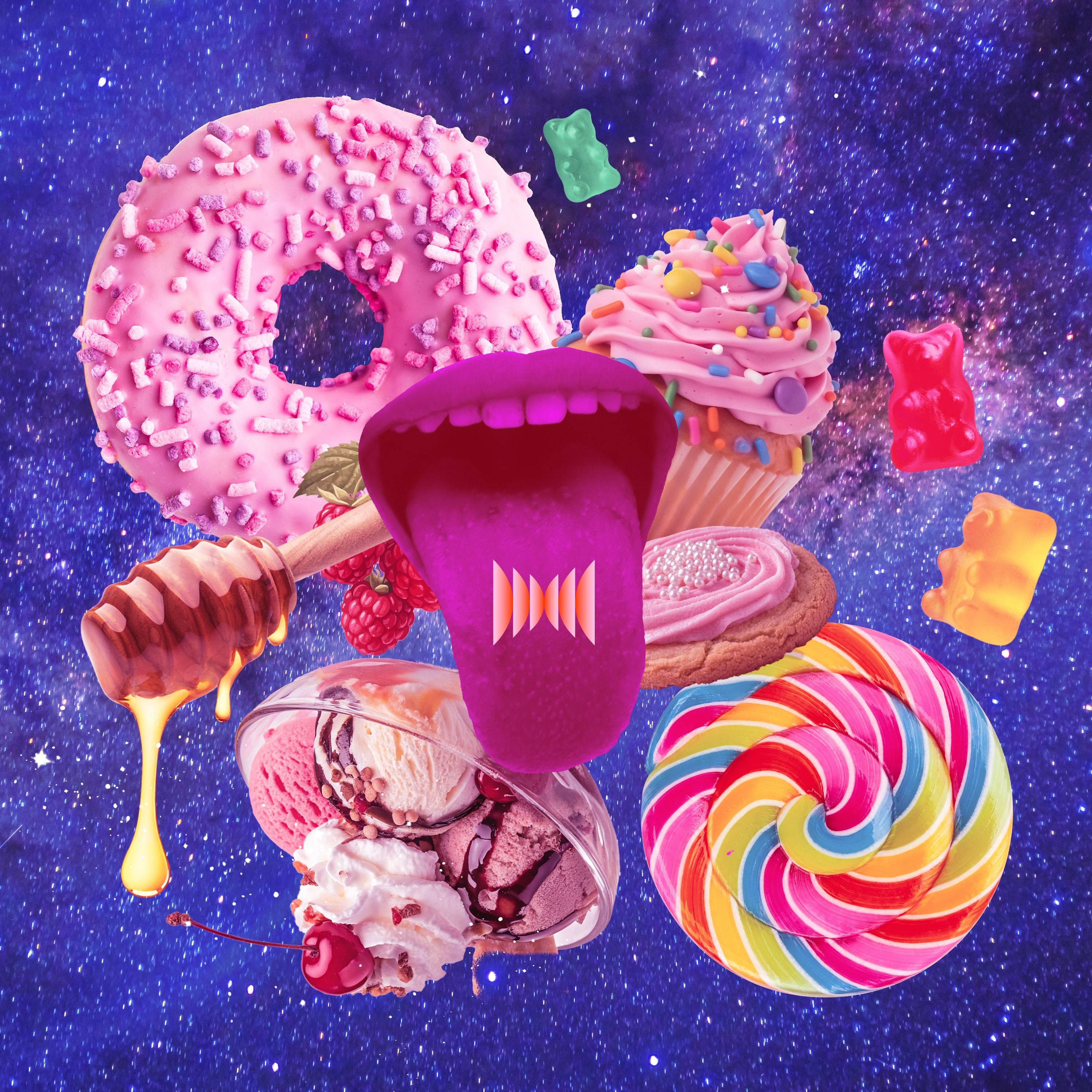
Overview of The Sweetest Thing
This Radiolab episode follows Latif Nasser’s quest to answer a deceptively simple question his kids asked in the car: what is the sweetest thing? What begins as a search for the “sweetest” substance on Earth turns into a bigger exploration of how sweetness is measured, how our brains perceive it, and how taste is shaped by smell, color, sound, and even direct brain stimulation. The episode ultimately suggests that “sweetness” is less a single property of a food and more a human experience created in the mind.
Main Question: What Counts as “Sweetest”?
The episode separates two different ideas:
- Potency: the smallest amount of a substance needed to activate sweetness
- Perceived sweetness: how sweet something actually feels to a person
That distinction matters because many lab rankings of “sweetness” are based on potency, not on how intense the sweetness feels in real life.
Lab-Ranked Sweeteners Mentioned
Using sugar as the baseline, the episode lists examples from least to most potent:
- Honey — about 1.5x sweeter than sugar
- Aspartame — about 200x sweeter
- Katemfe fruit — about 2,000x sweeter
- Advantame — about 20,000x sweeter
- Lugduname — described as an extreme outlier and the “winner” in the lab ranking
The episode points out that some of these compounds are so intensely potent that only tiny amounts are needed to sweeten huge volumes of liquid.
Sweetness Is a Brain Experience
The episode’s biggest takeaway is that sweetness is not just in the molecule — it is also in the brain.
Why Sugar Feels Special
Experts explain that humans evolved sweetness receptors to detect sugar because:
- sugar is a valuable energy source
- sweet taste encourages infants to nurse
- sweetness is tied to survival and reward
In that sense, sugar is not just one sweet thing among many — it is the reference point our nervous system was built around.
Why “More” Doesn’t Always Feel Sweeter
A major scientific insight in the episode is that sweetness perception eventually plateaus. Even if you add more of a super-sweetener, the sensation won’t rise indefinitely. The sweetness receptor behaves more like a dimmer switch than an on/off switch.
Ways to Make Things Taste Sweeter Without Adding Sugar
The episode explores several “mind hacks” that can increase perceived sweetness:
1. Smell
- Fruits like strawberries can taste sweeter than fruits like blueberries even when they contain less sugar.
- Their aroma molecules help boost sweetness in the brain through retronasal smell.
2. Color and Visual Cues
- Red or fruit-like coloring can make a food seem sweeter.
- In one experiment, honey mixed with strawberry flavor and red dye tasted noticeably sweeter than plain honey.
3. Sound
- Certain high-pitched sounds can enhance sweetness by a small but measurable amount.
- This effect is called a kind of sonic seasoning.
These examples reinforce the episode’s larger argument: taste is a multisensory construction.
The Neural “Sweet Switch”
The episode visits Columbia University neuroscientist Charles Zucker, who studies how taste signals travel from the tongue to the brain.
Key Experiment
Researchers genetically engineered mice so their sweet-sensing neurons responded to light instead of sugar. When they shined a laser into the brain:
- the mice experienced sweetness
- even without tasting anything sweet
This leads to a provocative idea: in principle, sweetness could be generated directly in the brain, without food at all.
Why That Matters
The episode notes possible implications for:
- reducing sugar intake
- treating obesity and diabetes
- understanding addiction and eating behavior
But it also raises a philosophical concern: if pleasure can be generated entirely inside the head, what happens to our relationship with the physical world?
The Cosmic Twist: Sugar in Space
In a final surprising turn, the episode reports that scientists detected a sugar-like molecule in interstellar dust near the center of the Milky Way.
- The molecule is associated with raspberries
- This leads to playful speculation about “space raspberries”
- The episode jokes about sending a “tongue telescope” into space to taste the universe
This ending stretches the idea of sweetness from the kitchen to the cosmos.
Key Takeaways
- There is no single objective answer to “the sweetest thing” unless you define what kind of sweetness you mean.
- Lab rankings usually measure potency, not lived experience.
- Sugar remains the most meaningful baseline because human sweetness receptors evolved around it.
- Sweetness is shaped by smell, color, sound, and brain activity, not just chemistry.
- The episode’s broader message is that taste is deeply tied to perception, evolution, and imagination.
Notable Themes and Insights
- “Sweetness” is partly a survival mechanism.
- The brain completes the experience of taste.
- What seems like a simple kid question can lead to profound science.
- The search for sweetness becomes a search for the limits of human experience.
Credits and Context
- Hosted by Lulu Miller and Latif Nasser
- Produced by Radiolab / WNYC Studios
- The episode closes with a brief note that Latif is on medical leave due to injured vocal cords, with the rest of the team continuing the show.