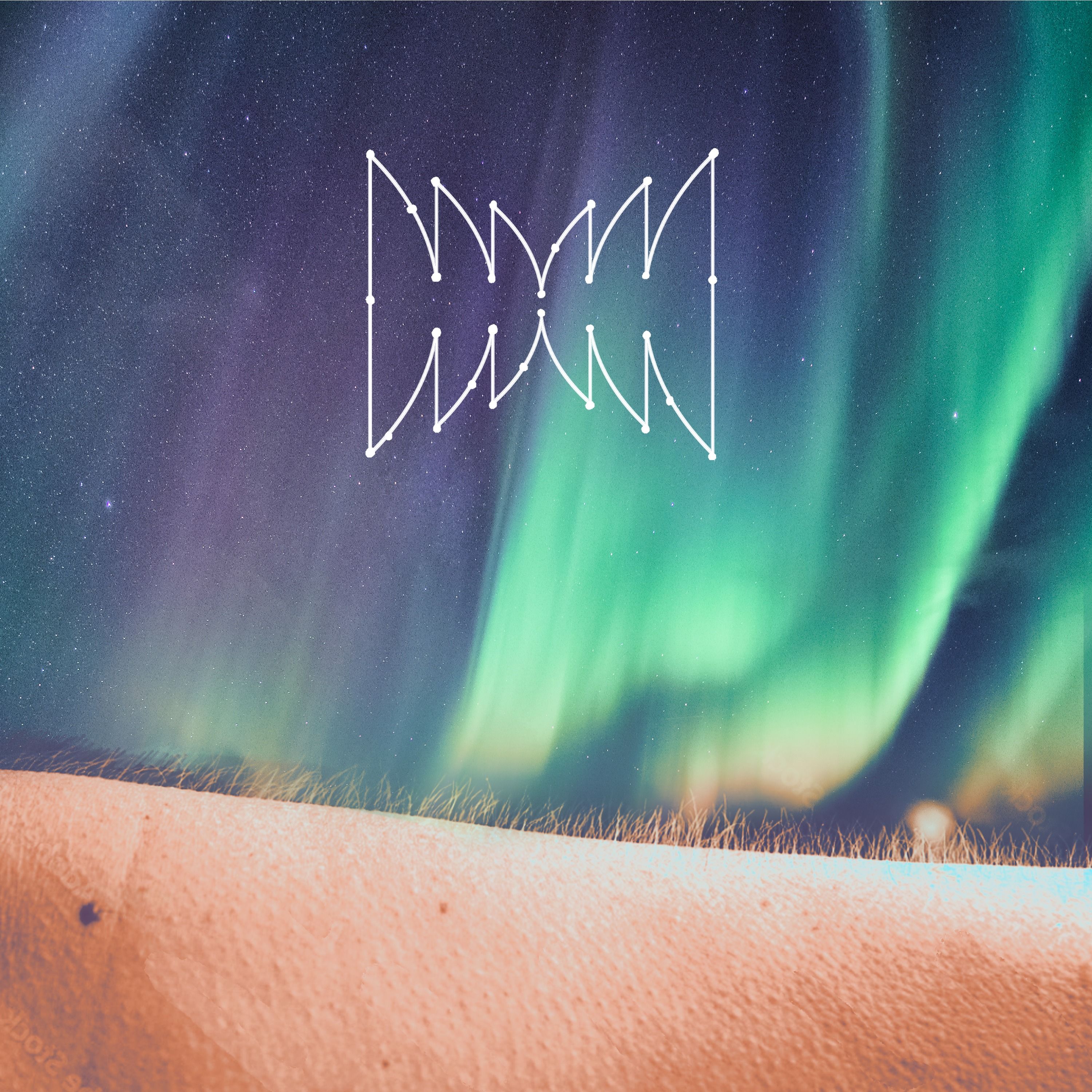
Overview of The Holy Shiver
This Radiolab episode investigates goosebumps as more than a reaction to cold or fear. Inspired by writer Carmen Maria Machado’s unusually intense goosebumps in response to music, emotion, and meaningful moments, the episode explores “aesthetic chills” — the frisson people feel during powerful art, awe, revelation, kindness, or belief-shifting experiences. Through science reporting, the show argues that goosebumps may be the body’s way of signaling: pay attention, something important is happening.
What the episode explores
Goosebumps as a body signal
- The episode begins with the evolutionary purpose of goosebumps:
- In mammals, the erector pili muscles raise hair to trap warmth or make an animal look bigger when threatened.
- In humans, this reflex is mostly vestigial, since we have less body hair.
- But humans also get goosebumps in non-threatening situations:
- Music
- Powerful speeches
- Religious or spiritual moments
- Sudden acts of kindness
- Awe-inspiring nature
- Emotional scenes in art or film
“The holy shiver”
- Carmen Maria Machado uses the phrase “the holy shiver” to describe this sensation.
- The episode frames these chills as a strange overlap of:
- fear and pleasure
- arousal and awe
- body and cognition
- The core question: What is the body trying to tell us when we get these chills?
The science behind aesthetic chills
Research by Nico Regenz and Felix Schoeller
The episode highlights researchers studying aesthetic chills and building a database of triggers.
Common chill triggers included:
- Stadium sports moments
- Religious experiences
- Meaningful personal conversations
- Poetry and music
- Scientific insight
- Inspirational speeches
- Viral kindness videos
- Choral music
A standout example was “Hallelujah” performed by Rufus Wainwright and other large choral performances.
Their theory
- Chills may happen when people reach the limits of cognition — when an experience challenges a deeply held belief.
- In other words, chills can mark moments when we are:
- re-evaluating the world
- updating our worldview
- shifting our sense of meaning
Lab experiments
- The researchers built a system that:
- scraped YouTube comments for mentions of chills/goosebumps
- identified reliable chill-inducing videos
- paired them with personality and belief surveys
- predicted which stimulus would work best for each person
- They even measured brain activity with EEG and found chill moments can resemble psychedelic-like brain states in complexity and disorder.
Why this might matter clinically
A possible connection to depression
The episode explores early research suggesting chills could help people with depression, especially those with:
- negative self-beliefs
- negative beliefs about others
- negative beliefs about the world
- anhedonia — difficulty feeling pleasure or reward
The hypothesis
- If chills can interrupt rigid thinking and increase openness, they may help people re-engage with the world.
- In early experiments, people who experienced chills showed more motivation on reward tasks afterward.
- The researchers describe the work as a kind of “schema surgery” — using chills to loosen entrenched mental frameworks.
Important caveat
- The episode is careful to note this is early-stage research, not a proven treatment.
- Still, it suggests chills may be tied to motivation, attention, and meaning-making in ways that could be clinically useful.
Personal meaning and relationship insight
The Carmen and Lauren thread
The episode returns to Carmen Maria Machado and her partner Lauren Brown, whose goosebumps sparked the original curiosity.
What their shared experience revealed:
- Lauren’s goosebumps are frequent, patterned, and emotionally revealing.
- Watching the same moments that trigger Lauren’s chills helps Carmen feel closer to her.
- The chills become a kind of intimate language — a way of sensing what matters to the other person.
Final takeaway
Goosebumps may be:
- a relic of survival
- a marker of emotional or intellectual breakthrough
- a bodily nudge toward attention and action
- a subtle way of feeling more connected to other people and to the world
In the episode’s closing spirit, the message is simple: don’t let chills pass unnoticed — they may be telling you something worth pausing for.