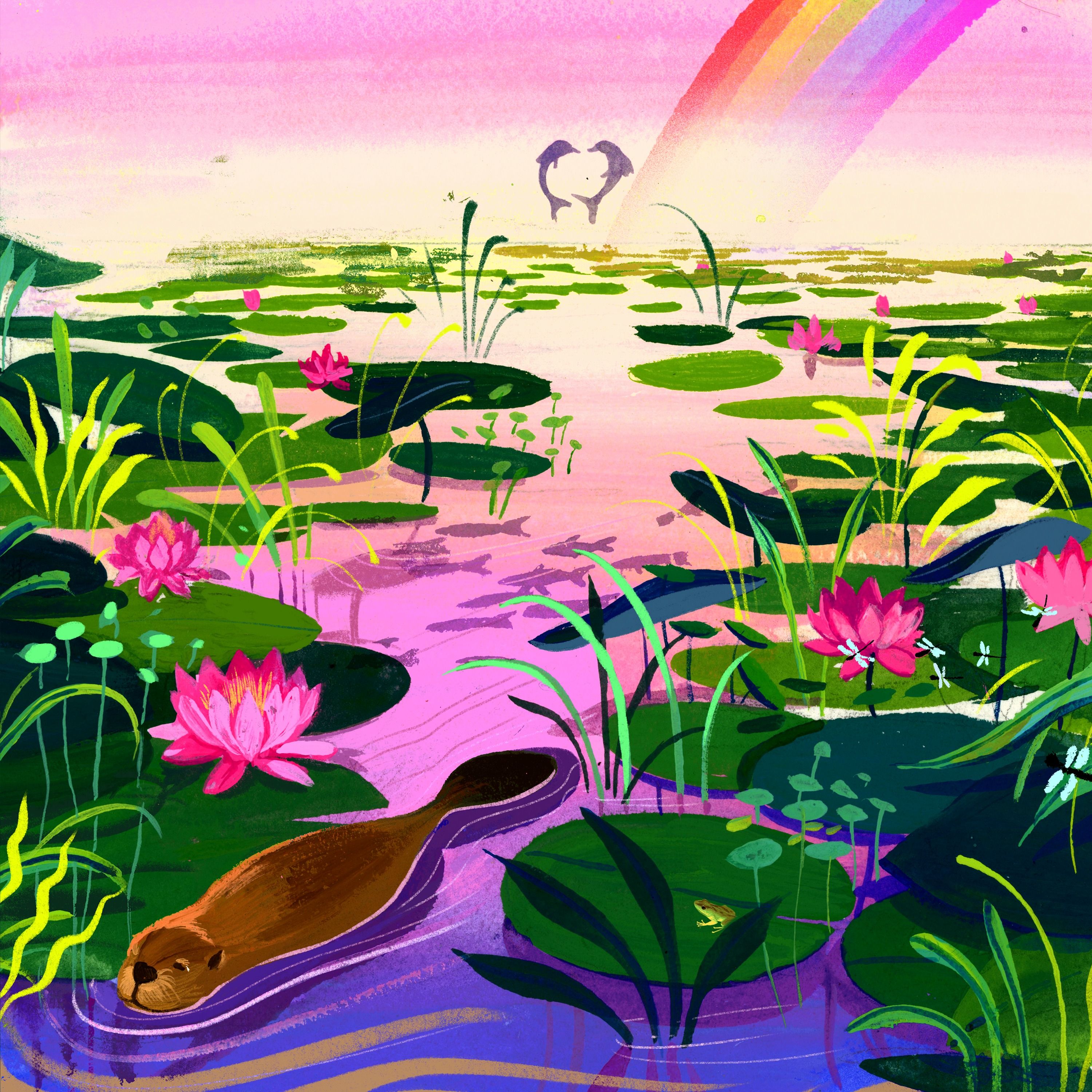
Overview of The Builders (Terrestrials — Radiolab for Kids / WNYC Studios)
This episode celebrates beavers as powerful, small-scale ecosystem engineers. Hosts Lulu Miller and Alan (with producer Ana Gonzalez) tell two central stories — the return of a beaver named Jose to New York’s Bronx River, and a family of beavers in Northern California that created a green, fire-resistant refuge after a mega‑fire. Guests include writer and “beaver believer” Ben Goldfarb and scientist Dr. Emily Fairfax. The episode explains how beavers shape landscapes, improve water and soil health, boost biodiversity, and even help reduce wildfire damage — and it urges people to “let the rodent do the work.”
Episode narrative
-
Jose and the Bronx River
- Historical context: North America once had hundreds of millions of beavers; urban areas (even Manhattan) were once full of wetlands.
- Beaver trapping for fur decimated populations beginning with European colonization.
- The Bronx River became heavily polluted and neglected until community cleanup efforts (inspired by Earth Day and supported by advocates and funding) restored habitat.
- A beaver returned after 200+ years — nicknamed Jose (after Congressman José Serrano), later joined by “Justin Beaver.” Their dam-building helped revive the river ecosystem.
-
Little Last Chance Creek (Northern California)
- Dr. Emily Fairfax studied a small family of beavers (mom, dad, 3–4 kits) in a mountain creek.
- After a large 2021 wildfire burned surrounding landscapes, the beaver-created wetland remained lush and green.
- Satellite imagery showed a halo of unburned vegetation around the beaver ponds. Fairfax estimates the family protected several acres as a fire refugium — habitat that survived the blaze and sheltered wildlife.
How beaver engineering benefits ecosystems (science explained)
Beaver dams and ponds create cascading ecological effects:
- Water filtration: Dams trap sediment, debris, and many pollutants (including agricultural runoff), improving downstream water quality.
- Microclimate cooling: Evaporation from ponds cools local air — a “mini air conditioner.”
- Soil enrichment: Nutrients settle in pond sediments, creating richer soils for plants.
- Biodiversity boost: New wetlands support algae, cattails, amphibians (frogs, salamanders), fish (trout, salmon), insects (dragonflies), birds (herons, woodpeckers), and larger mammals (foxes, coyotes, moose in some regions).
- Fire refugia: Wetlands created by beavers can resist burning and protect nearby plants and animals during wildfires; effect observable from satellite imagery.
Additional beaver facts from the episode:
- Beaver incisors contain iron, strengthening them for woodcutting.
- Beavers can stay underwater for up to ~15 minutes.
- Beaver lodges provide shelter to many other species (muskrats, mice, snakes).
- Historical wildlife management sometimes relocated beavers — including unusual methods like aerial drops in mid‑20th century U.S. programs.
Key takeaways and messages
- Small agents of change: A single beaver family can dramatically transform and heal a landscape — improving water, biodiversity, and even fire resilience.
- Let nature do the work: “Let the rodent do the work” and “be more beaver” are practical mantras — encourage passive restoration by protecting and reintroducing beavers rather than overengineering fixes.
- Human action + nature = recovery: Community cleanups, policy support, and targeted restoration make beaver comeback possible (example: Bronx River).
- Beavers are cost-effective ecosystem engineers: Their instinctive behaviors create natural solutions to issues like drought, pollution, and wildfire risk.
Notable lines & quotes
- “They are running a little bed and breakfast” — on lodges sheltering other species.
- “Let the rodent do the work.” — encapsulates the restoration philosophy promoted by beaver advocates.
- “Be more beaver.” — call to emulate beavers’ constructive role at landscape scale.
Practical actions & recommendations
- Support habitat protection and restoration projects that allow beavers to recolonize wetlands.
- Back local conservation groups and policies that reduce pollution and restore stream corridors (community cleanups matter).
- Where beavers cause localized conflicts, consider coexistence measures (flow devices, targeted exclusion) rather than lethal removal.
- Learn from researchers working on beaver-led restoration and fire mitigation (e.g., follow scientists like Dr. Emily Fairfax and communicators like Ben Goldfarb).
Q&A highlights (from listener “Badgers” segment)
- Baby beavers have milk teeth (some cheek teeth) before adult incisors develop.
- Beaver scat: partly reconsumed (coprophagy) and the dried pellets can burn (anecdotally used as fire starters).
- Captive-raised beavers build dams by instinct and by learning from family; regional differences in dam style exist, and beavers will incorporate locally available materials (even odd items like bones).
Credits & where to find more
- Hosts/producers: Lulu Miller (host), Alan (co-host), Ana Gonzalez (producer), plus team members and fact‑checker Diane Kelly.
- Guests: Ben Goldfarb (author of Eager: The Surprising, Secret Life of Beavers and Why They Matter), Dr. Emily Fairfax (beaver researcher).
- Episode appears on the Radiolab for Kids feed (Terrestrials). New Terrestrials episodes release biweekly; follow terrestrialspodcast on social channels for extras like Frog Fact Friday.
If you want to act on this episode’s message: support local river/stream restoration groups, learn about beaver-friendly management strategies in your area, and share the story — small creatures can make big, visible differences.