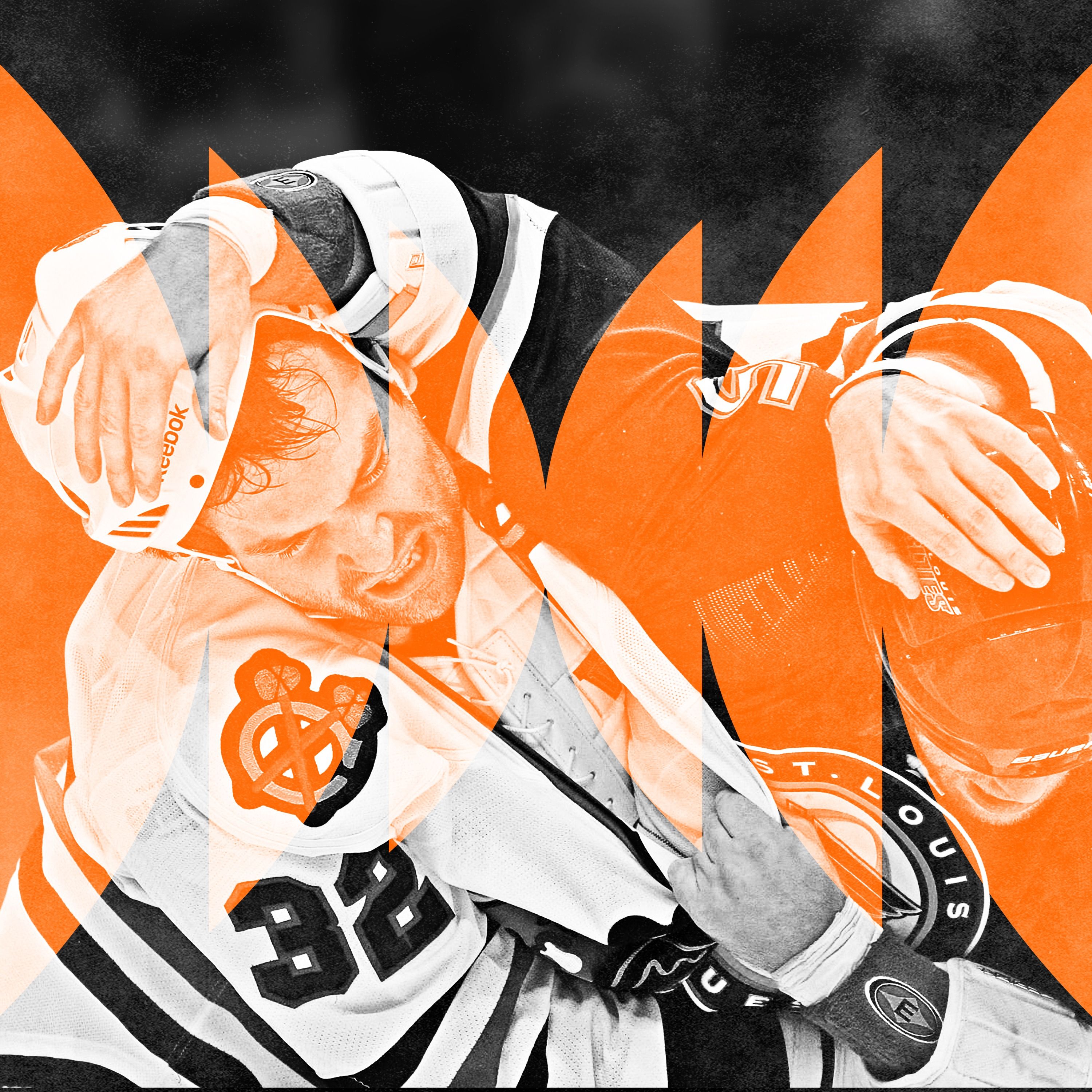
Overview of The Punchline (Radiolab — episode excerpt)
This Radiolab episode (replayed from 2019) tells the true story of how a running joke on a hockey podcast turned into a full-scale cultural moment: fans mass-voted NHL enforcer John Scott into the 2016 NHL All‑Star Game. What began as a prank and a protest against the league’s changes to the All‑Star format snowballed into league pushback, an apparent demotion designed to keep Scott out, an outcry from fans and media, and an unexpectedly triumphant All‑Star performance that produced a feel‑good payoff and a lasting rule change.
Key points & main takeaways
- Two hockey writers (Greg Wyshynski and Jeff Merrick) started an online campaign to vote in an unlikely candidate as a joke/protest against the NHL’s All‑Star changes. They picked John Scott—an enforcer known more for fighting than scoring.
- Fans rallied and Scott quickly became the top vote‑getter for All‑Star captaincy. The NHL and his team tried to block the result: they pushed a PR statement discouraging votes and then traded/demoted him to the minors (St. John’s, Newfoundland).
- Public backlash mounted against the NHL’s apparent interference. The league eventually permitted Scott to participate. He accepted, played in Nashville, scored twice, won the All‑Star MVP by fan write‑in votes, and became an instant folk hero.
- After the game Scott returned to the minors and soon retired. The NHL instituted the “John Scott Rule” to prevent similar fan‑driven outcomes in future All‑Star captain votes (demoted players who were voted captain would be disqualified).
- Themes: the tension between fan agency and league control, the human cost of viral pranks, how sports narratives can flip public sentiment quickly, and the media’s power to amplify grassroots movements.
Narrative timeline (concise)
- November 2015: Greg Wyshynski and Jeff Merrick joke on a podcast about using limited All‑Star fan votes to elect a non‑traditional candidate—John Scott.
- Voting surge: John Scott rockets to the top of fan voting and becomes the leading All‑Star vote‑getter.
- NHL/Club response: The Coyotes publish (and then modify) a PR message; Scott is traded and sent to the minors shortly before the All‑Star game, apparently to keep him from playing.
- Public outcry: Fans, writers, and players protest; the NHL ultimately allows Scott to participate.
- January 31, 2016 (All‑Star Game in Nashville): Scott scores two goals, helps his team win, and is voted MVP by fans. He skates with his family on the ice; his helmet is later placed in the Hockey Hall of Fame.
- Post‑event: Scott finishes the season, retires, and the NHL introduces a rule to prevent demoted voted captains from playing in future All‑Star games.
Main characters & roles
- John Scott — NHL enforcer: large, physical player whose role was fighting/protection of teammates rather than scoring. Father of five (including newborn twins at the time).
- Greg Wyshynski (Puck Daddy) & Jeff Merrick — hockey writers whose on‑air joke started the fan campaign.
- NHL executives and Coyotes management — attempted to prevent Scott’s All‑Star participation (PR messaging, trade/demotion).
- Fans & media — mobilized in support of Scott once they perceived the league was squashing a fan vote.
- John’s family — emotionally central to the story; presence at the All‑Star game helped humanize the moment.
Notable moments & quotes
- The campaign started as a “middle finger to the hockey establishment” — fans intentionally used the limited vote to subvert league choices.
- John on being an enforcer: “My role is like almost extinct. I like the last of my kind out here.” (captures the cultural shift in hockey away from fighting.)
- Heated phone exchange: Scott recounts an NHL executive questioning whether his dad or kids would be proud—this pushed him to anger and resolve.
- The All‑Star climax: Scott’s two goals, MVP selection by fan write‑ins, skating his children around the ice — a genuine “feel‑good” reversal.
Outcomes & legacy
- Short term: A viral sports story that moved public sentiment from ridicule to celebration; Scott became a sympathetic, inspirational figure.
- Material rewards: The All‑Star team won a $1 million prize (Scott’s team split the money per the game rules).
- Institutional change: The “John Scott Rule” (implemented later) prevents a player who is demoted to the minors after being voted an All‑Star captain from taking part—closing the loophole that allowed this episode.
- Cultural: The story illustrates how fan mobilization, social media, and sports media can upend traditional power structures in pro sports—and how those forces can both help and harm an individual.
Why this story matters
- It’s a case study in unintended consequences: an online stunt altered a player’s life, exposed league vulnerabilities, and produced both harm (a disruptive demotion) and a rare, human redemption.
- The episode spotlights broader questions about governance, fan agency, and the ethics of making people the butt of public jokes—especially when real people and families are affected.
- It shows the rapid swing from mockery to admiration that modern sports fandom and media can produce.
Further listening / links referenced
- John Scott’s podcast: Dropping the Gloves.
- Radiolab episode: “The Punchline” (WNYC Studios) — the full episode for more audio and interviews.
- The “John Scott Rule” — NHL rule change regarding All‑Star voting/eligibility.
Produced and narrated details (from the episode): reporting by Latif Nasser; production and fact‑checking credits noted in the episode.