Overview of Staph Retreat
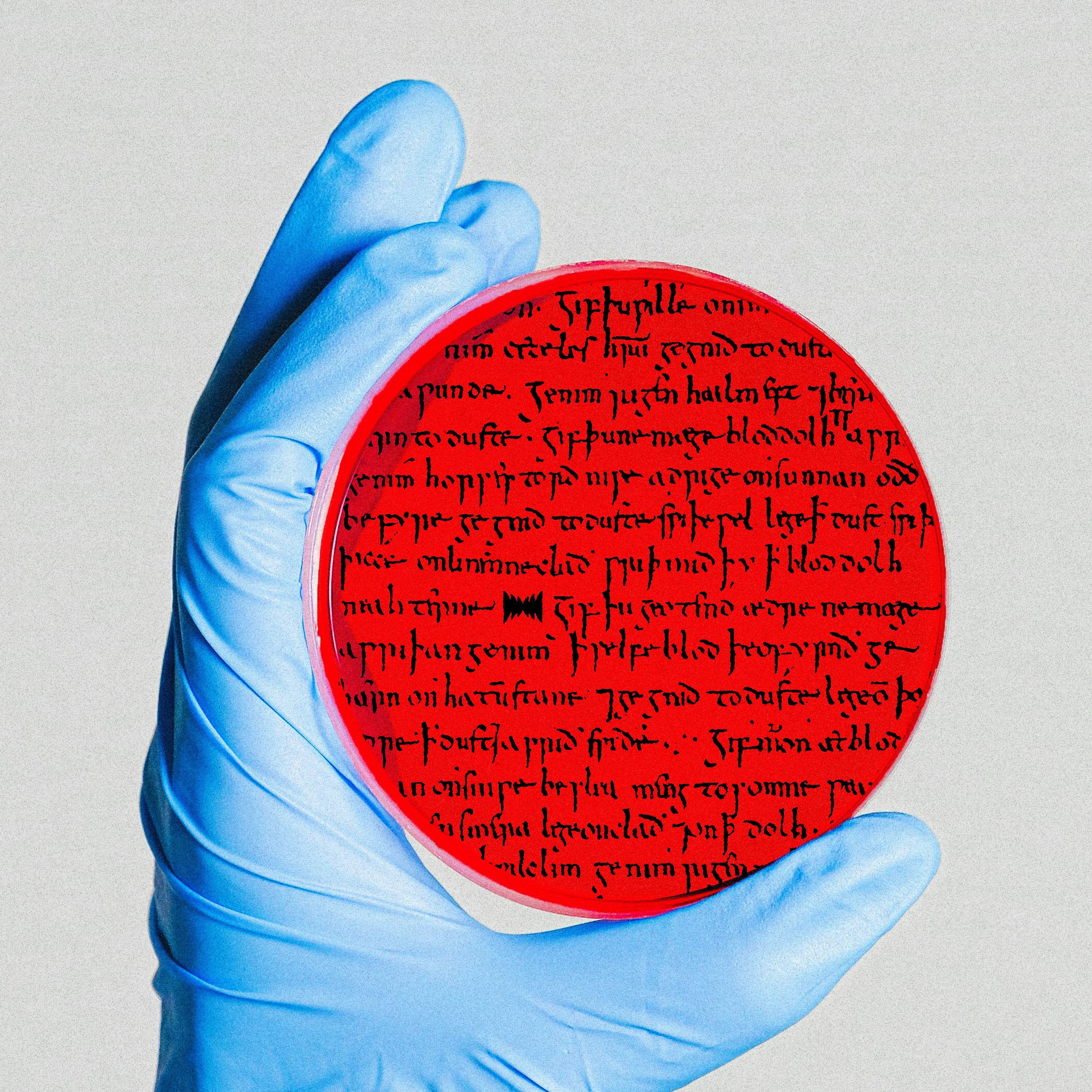
This Radiolab episode ("Staph Retreat") tells two intertwined stories: the long-running fight between bacteria and antibiotics (from Fleming's penicillin to modern MRSA) and the unexpected discovery that a 1,000‑year‑old Anglo‑Saxon remedy (from Bald’s Leech Book) can kill Staphylococcus aureus — including some methicillin‑resistant strains — in laboratory tests. The piece follows historian Dr. Christina Lee and microbiologist Dr. Freya Harrison as they translate, recreate, and scientifically test the medieval eye‑salve recipe, and explains why ancient texts may matter again in the age of antibiotic resistance.
Story summary
- Historical context: Alexander Fleming’s discovery of penicillin (1928) and the rapid emergence of resistance. The episode sketches the antibiotic “arms race” — new drugs are developed, bacteria rapidly evolve resistance, and pharmaceutical investment in antibiotics falls off after 2000.
- The two protagonists: Christina Lee (historian / Viking/Old English scholar) and Freya Harrison (microbiologist and historical reenactor) meet, bond over medical history, and investigate Bald’s Leech Book (circa 1,000 years old).
- The recipe: They translate a remedy for a “wen” (likely an eyelid stye, often caused by Staphylococcus aureus). Ingredients inferred and prepared: an allium (onion or leek), garlic, ox gall (bovine bile), wine, and mixing/aging in a brass/bronze vessel for nine days.
- The experiment: In lab tests on artificial “wounds” infected with S. aureus and MRSA, the reconstituted remedy consistently killed a very high percentage of bacteria (up to ~99.9999% in some tests). An independent collaborator in Texas reported ~90% killing of MRSA.
- Follow‑up: The researchers published papers exploring how the mixture works, identified likely active components, and by 2022 had completed a Phase I safety trial in healthy humans (not yet an approved treatment for infected wounds).
Key scientific points and takeaways
- Antibiotic resistance is fast: many classic antibiotics saw resistance within years of introduction; drug development slowed because of poor commercial incentives.
- Historical pharmacopeias are an underexplored resource: remedies that fell out of use may be effective again because resistance pressures changed, or because mixtures produce synergistic effects that modern screening missed.
- Synergy matters: the medieval remedy’s components (allium compounds, bile salts, wine, and copper/brass contact) appear to act together — the combination is more effective than single ingredients alone.
- Caution: lab success ≠ clinical safety/efficacy. The concoction has not been approved as a wound treatment, and homemade attempts could cause harm (sterility, fungal contamination, toxicity).
- Practical progress: subsequent research narrowed down active constituents and a Phase I safety study in 2022 showed promising safety results in healthy volunteers.
The Bald’s remedy — ingredients & method (as recreated)
- Ingredients (translated and approximated):
- Cropliach (an allium — likely onion or leek)
- Garlic
- Ox gall (bovine bile)
- Wine (local/period-appropriate if possible)
- Mixed/aged in brass or bronze container (to mimic ancient metal contact)
- Method, as interpreted:
- Pound equal amounts of the allium and garlic into a paste.
- Mix in ox gall and wine.
- Store/age the mixture in a brass/bronze vessel for nine days and nights.
- Strain through cloth and apply the liquid to the affected area (historical application was to the eye).
- Important: modern researchers carefully controlled and sterilized materials; do not try at home.
Notable quotes & moments
- “His penicillin will save more lives than war can spend.” — Time magazine banner referenced to show the early optimism.
- Kendra Rimbaud (collaborator) after testing the mixture on MRSA: “What the f***?” — a raw reaction to unexpectedly strong antibacterial activity.
- The episode’s framing line about the recipe: “Bald’s best medicine.”
Broader implications and questions raised
- Time-travel metaphor: ancient knowledge can be a source of modern solutions — a “window” into past remedies that may regain usefulness.
- Resistance dynamics: taking drugs out of use for long periods could reduce resistance, making old agents effective again (or at least useful as components).
- Research strategy: screening medieval, Ayurvedic, Chinese, and other traditional texts could expand the chemical diversity and combination therapies to test.
- Ethics & IP: who owns a thousand‑year‑old recipe? Legal and ethical questions about patents and benefit-sharing arise if ancient remedies are commercialized.
- Public health: even promising leads need modern clinical trials and scaling; the episode highlights the urgent need for renewed antibiotic R&D incentives.
Caveats and safety
- The medieval salve is not a clinically approved antibiotic. The hosts and researchers explicitly warn against DIY attempts — risks include contamination, toxicity, and fungal growth.
- Lab efficacy does not guarantee safety or therapeutic benefit in infected patients; additional clinical trial phases are required.
Update (post‑episode)
- Since the original broadcast: Christina Lee, Freya Harrison, and colleagues published follow‑up studies clarifying mechanisms and active components of the recipe.
- In 2022 the mixture reached a Phase I safety trial in healthy humans with overall successful results — a significant early step toward potential therapeutic development, though more testing is needed.
What to remember
- Antibiotic resistance is one of medicine’s biggest current challenges; new approaches are needed beyond the traditional pharmaceutical pipeline.
- Combining historical scholarship with microbiology yielded a surprising, reproducible antibacterial effect from a 1,000‑year‑old recipe.
- This work is promising but preliminary — it highlights an alternate avenue for discovery while underscoring the need for rigorous modern testing and caution against amateur replication.
Credits / production notes
- Hosts: Radiolab (WNYC Studios) — Lulu Miller, Latif Nasser, and co-hosts/producers including Jad Abumrad and Robert Krulwich.
- Key researchers featured: Dr. Christina Lee (historian) and Dr. Freya Harrison (microbiologist).
- Follow‑ups and publications by the research team document the lab results and subsequent clinical safety testing.
(Do not attempt to recreate or use the recipe at home — consult medical professionals for infections.)