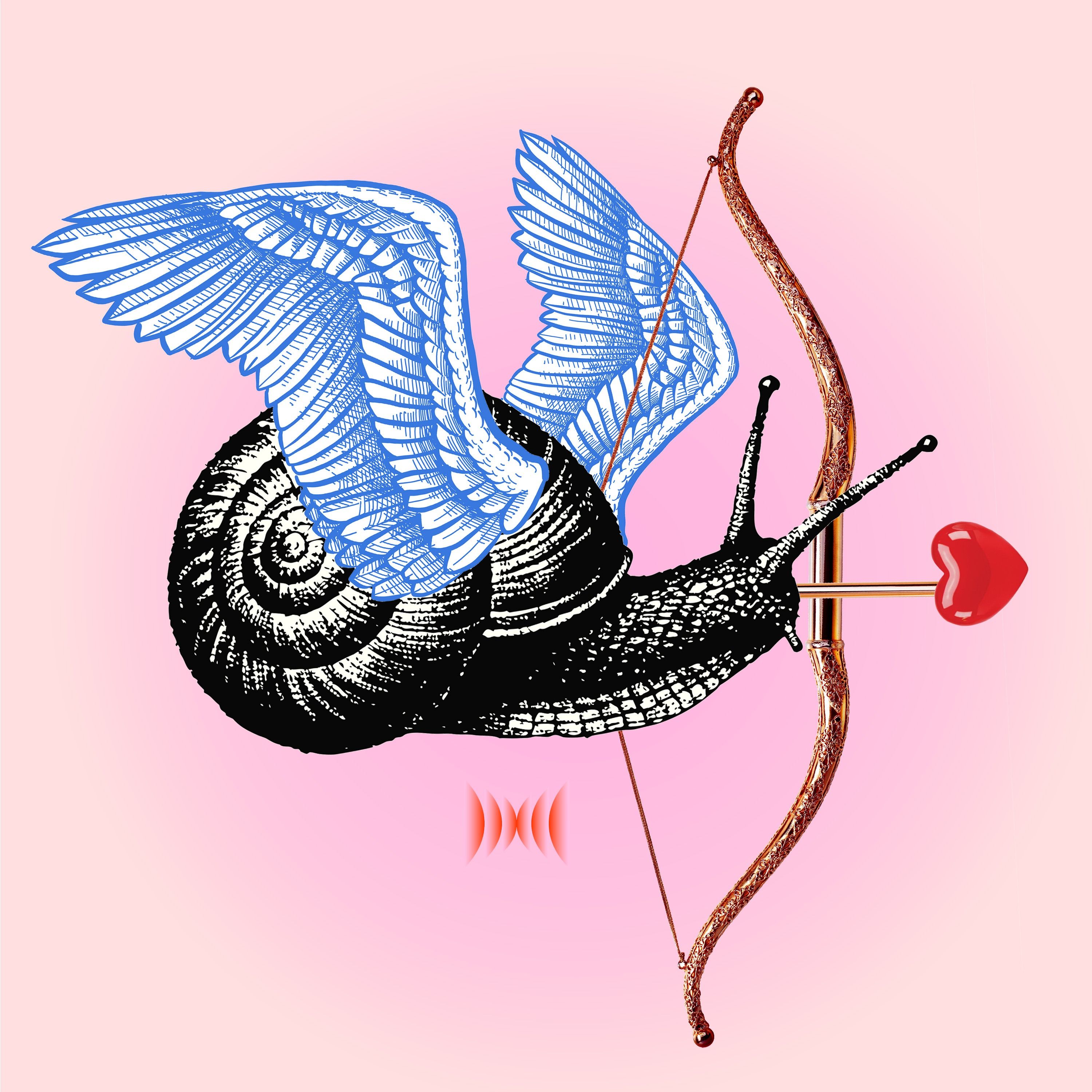
Overview of Snail Sex Tape (Radiolab)
This Radiolab episode (hosted by Molly Webster with executive editor Soren Wheeler) explores the surprising, messy, and astonishing sex lives of land snails. Through a walk-along interview with evolutionary biologist Menno Schilthuizen, the episode shows how snails—slow, local, and easy to observe—reveal dramatic examples of sexual evolution: hermaphroditism, reciprocal penis eversion, sperm storage vs. digestion, and the famous “love dart” weaponry that chemically manipulates mating partners.
Key points and main takeaways
- Snails are hermaphrodites: each individual has both male and female reproductive organs, and the genital opening is typically on the right-hand cheek (near the eye tentacle).
- Mating is often reciprocal and prolonged: partners line up cheek-to-cheek, evert internal penises (like turning a glove finger inside out), and can remain connected for hours or even the whole night.
- Penises and genitalia are extremely diverse and evolve rapidly; genital evolution shows many evolutionary “arms races” (adaptations and counter-adaptations).
- Sperm transfer details:
- Sperm are packaged into large, nutrient-rich packages produced during mating.
- Snails can either store sperm for later fertilization or digest it and use it as nutrition.
- Only a tiny fraction of transferred sperm actually reaches where eggs are fertilized.
- Love darts:
- Made of calcium carbonate (same material as shells), produced in a dart sac, and shaped like little daggers; about 1 cm in many species.
- Not a penis and do not transfer sperm. Instead they deliver mucus containing hormone-like substances into the partner’s body.
- Those chemicals alter the partner’s reproductive tract (closing off a digestive pocket and promoting sperm uptake/storage), increasing the dart-shooter’s paternity chances.
- Darts vary wildly across species (shape, number, reuse vs. disposable), and some species stab repeatedly—even thousands of times—to pump in more of the substance.
- Because snails move only short distances (dispersal often 1–5 meters), geographic variation in shell morphology and genital form can be observed on a human walk—making snails powerful systems to study evolution in the field.
Notable quotes & insights
- “Genitalia are the organs that evolve the fastest among all organs in an animal’s body.” — captures why snail reproductive anatomy is such an evolutionary playground.
- Love darts are a clear example of sexual conflict and manipulation: a morphological weapon that delivers biochemical manipulation to bias reproductive outcomes.
Interesting examples & facts
- Love darts can look like whittled bone or miniature arrows (with fletchings); sometimes darts remain embedded, sometimes they’re withdrawn or fall out.
- Some slugs have extremely long penises (relative to body length), and there are documented cases of entwined, dangling penises transferring sperm by handshake-like contact.
- Researchers who solved the dart mystery include Ronald Chase (showed hormonal effects of dart mucus) and Joris Koene (work on gastropod reproductive behavior).
- Menno Schilthuizen’s book Nature’s Nether Regions includes a chapter on snail sex and is recommended for deeper reading.
How to observe (practical tips)
- Timing: late spring (after hibernation) is when mating activity and darts are most likely; in temperate cities like Brooklyn, late April onward is a good window.
- Where to look: walls, tree trunks, damp garden spots, and other vertical surfaces. Check early mornings after a warm, rainy night.
- Signs: pairs of snail shells pressed together (cheek-to-cheek) and slime trails; love darts may be visible stuck in slime or on the ground nearby.
- Ethics: observe without disturbing mating animals; don’t remove or injure snails—leave specimens where they are.
Why this matters (scientific value)
- Snails reveal evolutionary processes at human scales: because they move little, you can walk and literally “see” changes in shell morphology and reproductive traits across short distances.
- The variety in snail genitalia and behavior embodies rapid evolutionary dynamics—cooperation, manipulation, sexual selection, and conflict—that are broadly relevant across animals.
Sources, guests & further reading
- Guest: Menno Schilthuizen — evolutionary biologist at Leiden University, author of Nature’s Nether Regions.
- Key researchers mentioned: Ronald Chase (demonstrated hormonal action of dart mucus), Joris Koene (work on gastropod reproductive systems).
- Radiolab episode production: Molly Webster (reporter), Soren Wheeler (executive editor), and Radiolab team.
- For more: read Menno Schilthuizen’s Nature’s Nether Regions and Radiolab’s newsletter for related links and extra content.
Credits: This summary is based on the Radiolab episode “Snail Sex Tape.”