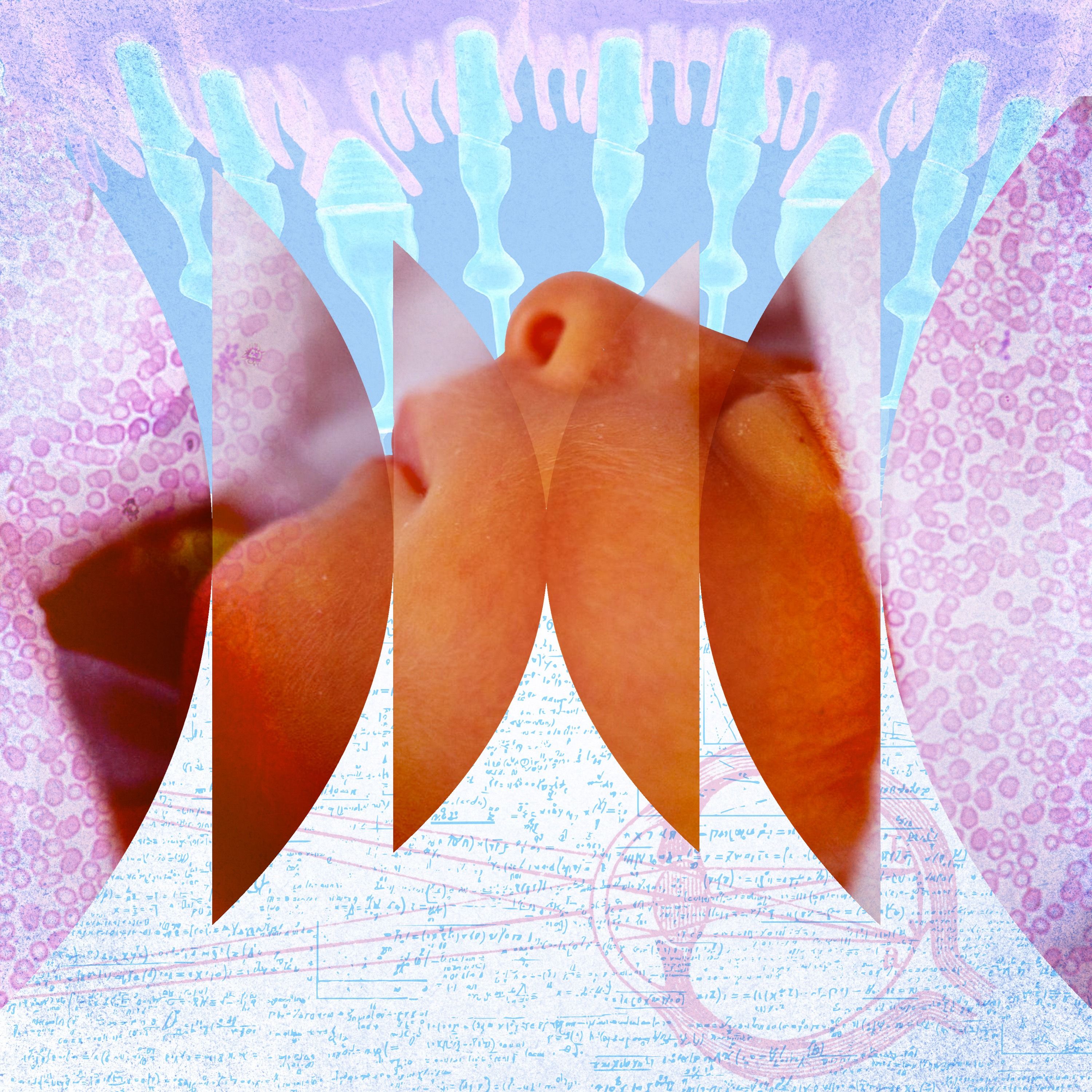
Overview of Gray’s Donation (Radiolab)
This Radiolab episode — originally released in 2015 and updated later — tells the true story of Sarah and Ross Gray, parents of identical twins in which one child, Thomas, was born with anencephaly and died after six days. The parents donated Thomas’s tissues (corneas, liver, cord blood, etc.) to medical research. The piece follows Sarah’s quest to find out what happened to those donations, her visits to the labs and researchers who used Thomas’s samples, and how that journey shifted the family’s grief into a sense of purpose. Note: the episode discusses pregnancy complications and infant death.
Timeline / Key events
- 2009: Sarah and Ross Gray learn at a 12-week screening that one twin has anencephaly; doctors discuss selective termination but the procedure becomes unsafe due to placenta position.
- March 23, 2010: Twins are born. Thomas (the anencephalic twin) lives six days and dies in his father’s arms.
- After death: The family consents to donation; a transport service takes Thomas to the regional transplant organization and his tissues are sent to multiple research centers (Boston, Durham/ Duke, Philadelphia, Richmond).
- Initial correspondence from donor services is generic; Sarah wants specifics and begins a deliberate search to find who used Thomas’s tissues.
- Sarah visits the Boston eye research lab (Schepens Eye Research Institute), Duke (cord blood/genetics), a company that processed the liver (Cytonet), and researchers at University of Pennsylvania (Arupa Ganguly), learning how the samples were used.
Main findings & research uses
- Infant eyes/corneas are particularly valuable to ophthalmic research because of regenerative properties; Thomas’s corneal/retina samples were used in retinal research and were still useful years after his death.
- Cord blood from identical twins (one healthy, one affected) provided a valuable control for genetic/epigenetic study: researchers found ~1,000 epigenetic differences that might help explain how identical genomes produced different outcomes in utero.
- Thomas’s liver was bruised and could not be used clinically in a transplant but was used experimentally — for instance, to determine optimal freezing temperatures for infant liver cells (around -150°C).
- Many samples require long, multi-step processing and travel: retrieval, processing, packaging/shipping, then lab analysis; a single donation can contribute to multiple distinct studies.
Emotional and ethical themes
- Grief and meaning-making: Sarah and Ross’s decision to donate was partly religious/cultural and partly a desire to give Thomas meaning; tracking down the research allowed them to see his continued “life” through science.
- Transparency and connection: initial donor-service communications were impersonal, prompting Sarah’s search; meeting researchers humanized the process for both sides (scientists and donor family).
- Scientists’ perspective: researchers expressed a mix of gratitude and guilt — they need tissue from deceased children yet feel the moral weight of that necessity.
- The story highlights how donation can transform a family’s sense of powerlessness (victim of fate) into a sense of contribution and partnership with science.
Notable quotes / moments
- Researcher to Sarah: “An infant’s eyes are worth their weight in gold.” (speaks to rarity/value of pediatric ocular tissue)
- Sarah’s reflection on how the experience changed her worldview: moving from feeling like “a boat on an ocean” to feeling “I’m the ocean” — a sense that her choices affect others.
- Small human moments: staff at a lab posting Thomas’s photo in the break room; Sarah seeing literal traces of her son in freezers as tiny vials of frozen material.
People & places featured
- Sarah and Ross Gray — parents of twins Thomas and Callum.
- Elizabeth Mason — receptionist/phone contact at the Boston eye research lab who helps connect Sarah.
- Dr. James Zieske (Schepens/Harvard Ophthalmology) — thanked Sarah and explained the value of infant ocular tissue.
- Researchers at Duke — studied cord blood and epigenetic differences between the twins.
- Cytonet (lab handling the liver) — used the liver for research on freezing protocols rather than clinical transplant.
- Dr. Arupa Ganguly (University of Pennsylvania) — studies retinoblastoma and used parts of Thomas’s retina; later became friends with Sarah.
Outcomes & follow-up
- Scientific: Thomas’s tissues contributed to ongoing research (retinal studies, epigenetic comparisons, liver cell preservation) and were reportedly still yielding useful data years later.
- Personal: Sarah Gray published a memoir, A Life Everlasting (HarperOne), about the experience and remained in contact with some researchers (including Dr. Ganguly). The experience influenced her creative work and gave her a new sense of meaning.
- Public: The episode exposes how donor families can sometimes get little feedback, and how proactive families can learn where and how donations are used.
Takeaways / practical notes
- Donated pediatric tissues are rare and especially valuable for certain types of research; they may be used for many years and across multiple labs.
- Donor families often receive only generic acknowledgements; it’s possible (and sometimes rewarding) to request more detailed information through donor relations or by contacting recipient labs directly.
- Grief can coexist with a sense of contribution — families may find comfort in learning how their loved one helped science and other patients.
Where to learn more
- Radiolab episode: “Gray’s Donation” (Radiolab / WNYC Studios) — full audio and show notes at radiolab.org.
- Sarah Gray’s memoir: A Life Everlasting (HarperOne) — a deeper personal account of the family’s experience and organ/tissue donation.