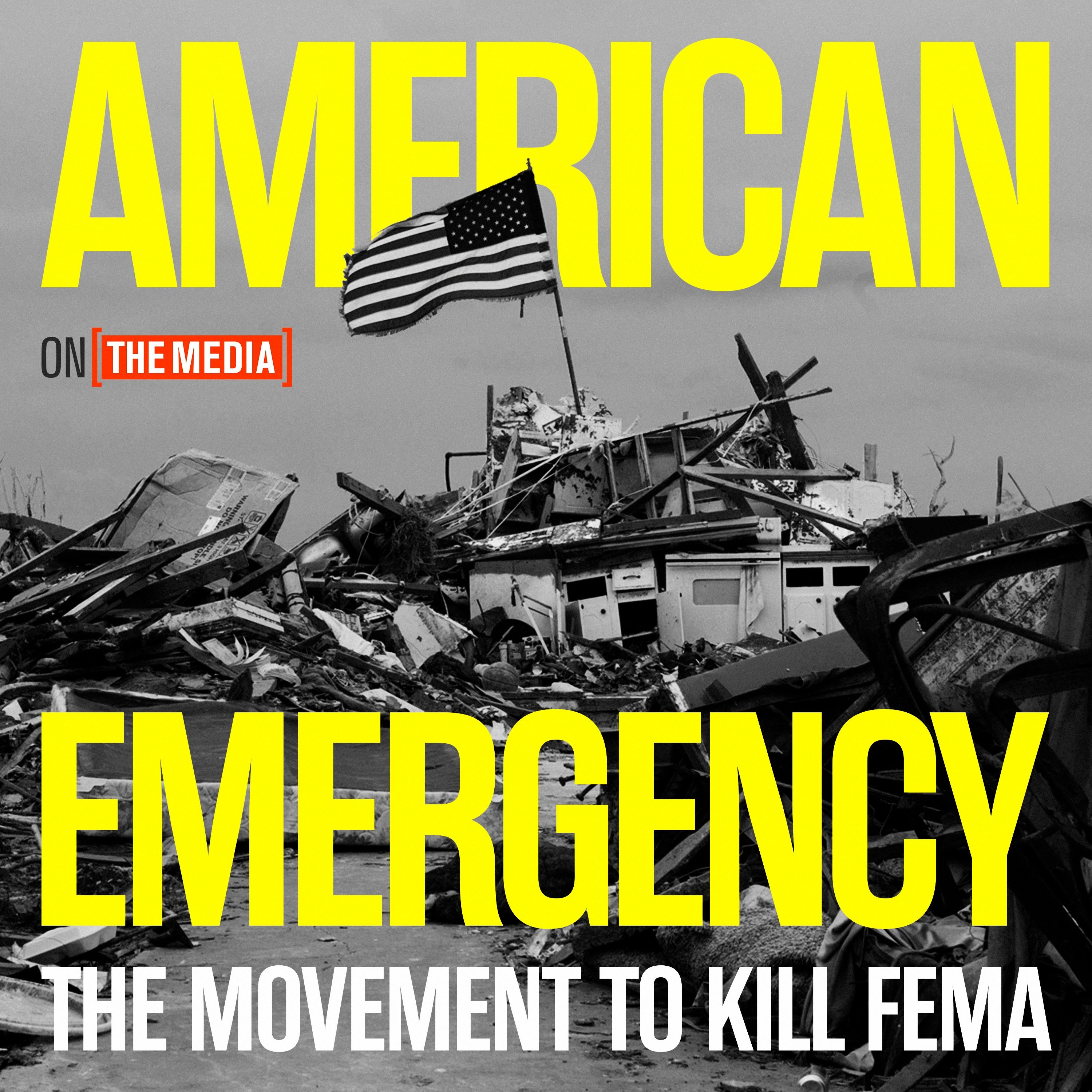
Overview of On the Media: American Emergency
This episode of Radiolab spotlights a deeply reported On the Media series about FEMA—how it was created, why it became a magnet for conspiracy theories, and how it has been pulled between disaster relief, Cold War planning, and modern political warfare. The conversation with host Micah Loewinger traces FEMA from its secretive origins at Mount Weather to Hurricane Katrina, Hurricane Helene, and the Trump administration’s renewed push to weaken or abolish the agency. The central argument: FEMA’s greatest vulnerability is not just bureaucracy, but the way U.S. leaders keep loading it with the fears of the moment.
Main Storyline
FEMA’s origins were rooted in Cold War secrecy
- FEMA grew out of earlier civil defense efforts designed to prepare for nuclear war.
- A key symbol is Mount Weather, a secret underground government facility intended to preserve continuity of government if the U.S. were nuked.
- Early civil defense campaigns included:
- “duck and cover” school drills
- massive emergency exercises like Operation Alert
- secret continuity-of-government planning
Disaster response was fragmented before FEMA
- Before FEMA existed, federal disaster response was scattered across many agencies.
- States and local governments often lacked the resources to handle major hurricanes, floods, earthquakes, and storms alone.
- In the 1960s and 1970s, a run of major disasters exposed how disorganized and slow the system was.
FEMA was created to streamline emergency management
- In 1979, Jimmy Carter merged multiple offices into FEMA.
- The agency inherited a dual identity:
- disaster relief
- civil defense / national security planning
- Even early FEMA employees found the agency’s mission confusing and awkwardly named.
How FEMA Became a Conspiracy Magnet
Secrecy fueled suspicion
- A large share of FEMA’s work in the 1980s was classified.
- FEMA helped track the presidential line of succession and prepare for continuity of government after nuclear war.
- That secrecy made it easy for conspiracy theories to spread, even when the underlying programs were real but limited.
“FEMA camps” became a long-running myth
- Right-wing media and militia figures claimed FEMA was preparing detention camps for dissidents.
- The transcript highlights figures like:
- Linda Thompson
- Stuart Rhodes
- Alex Jones
- Glenn Beck
- Some claims were wildly false, but they often drew on kernels of historical truth:
- government lists of potential detainees in earlier eras
- Japanese American internment
- continuity-of-government planning
The darkest irony: some fears later echoed in reality
- The episode notes that immigration detention and emergency funding controversies under Trump made the “FEMA camp” idea feel less imaginary.
- Public money being used for detention-related infrastructure blurred the line between conspiracy and policy.
Modern Political Conflict Around FEMA
Katrina damaged FEMA’s credibility
- The agency was heavily criticized after Hurricane Katrina in 2005.
- That failure cemented a reputation for incompetence that conspiracy theorists and anti-government activists could exploit.
Hurricane Helene showed how misinformation can cripple response
- FEMA had pre-positioned supplies and teams before Helene in 2024.
- But Trump and others spread false claims that FEMA was prioritizing migrants over hurricane victims.
- The result was harassment and threats against FEMA workers.
- A leaked incident involving a FEMA manager telling staff to avoid houses with Trump signs was weaponized as proof of anti-Trump bias.
Trump’s second-term push to weaken FEMA
- Trump publicly said FEMA should be reformed or eliminated.
- The administration, through DHS officials like Kristi Noem and Corey Lewandowski, explored ways to dismantle or rebrand FEMA.
- One proposal was to rename it something like the National Office of Emergency Management—essentially an abolition-through-rebranding strategy.
Cameron Hamilton and the Internal Fight
A politically loyal but inexperienced FEMA leader
- Cameron Hamilton briefly served as acting FEMA head under Trump.
- The transcript portrays him as a MAGA-aligned appointee with limited emergency-management experience compared with traditional FEMA administrators.
- His appointment reflects the broader shift toward political loyalty over expertise.
A leak hunt and polygraph tests
- After reporting surfaced about meetings to abolish or restructure FEMA, DHS launched an internal hunt for the leaker.
- Hamilton and other FEMA staff were subjected to polygraph pressure.
- The episode uses this episode to show how dysfunctional and paranoid the agency had become.
Hamilton’s firing and re-nomination
- Hamilton was fired after telling Congress he did not think FEMA should be eliminated.
- Later, Trump reportedly moved to re-nominate him, underscoring the chaos and instability inside the agency.
Key Takeaways
- FEMA is not just a disaster agency; it has long been a repository for America’s deepest fears.
- Each era has turned FEMA toward a different obsession:
- nuclear war in the Cold War
- terrorism after 9/11
- immigration and internal “invasion” under Trump-era politics
- The agency’s secrecy and its real failures both helped build the mythology around it.
- The episode argues that FEMA is still necessary, but it is trapped in a cycle where political distrust and conspiracy thinking undermine its ability to do its job.
Notable Insight
FEMA is the place where leaders dump their worst fears.
That idea serves as the episode’s core thesis: FEMA’s history is less about one agency than about what America is scared of at any given moment—and what happens when those fears shape public policy.
What the Episode Leaves Us With
- FEMA is unlikely to disappear entirely, but it remains vulnerable.
- The bigger threat may be public distrust, misinformation, and political sabotage rather than natural disasters alone.
- The story ultimately frames FEMA as a test of whether the U.S. can still maintain institutions built to help people, even when those institutions become targets of the culture war.