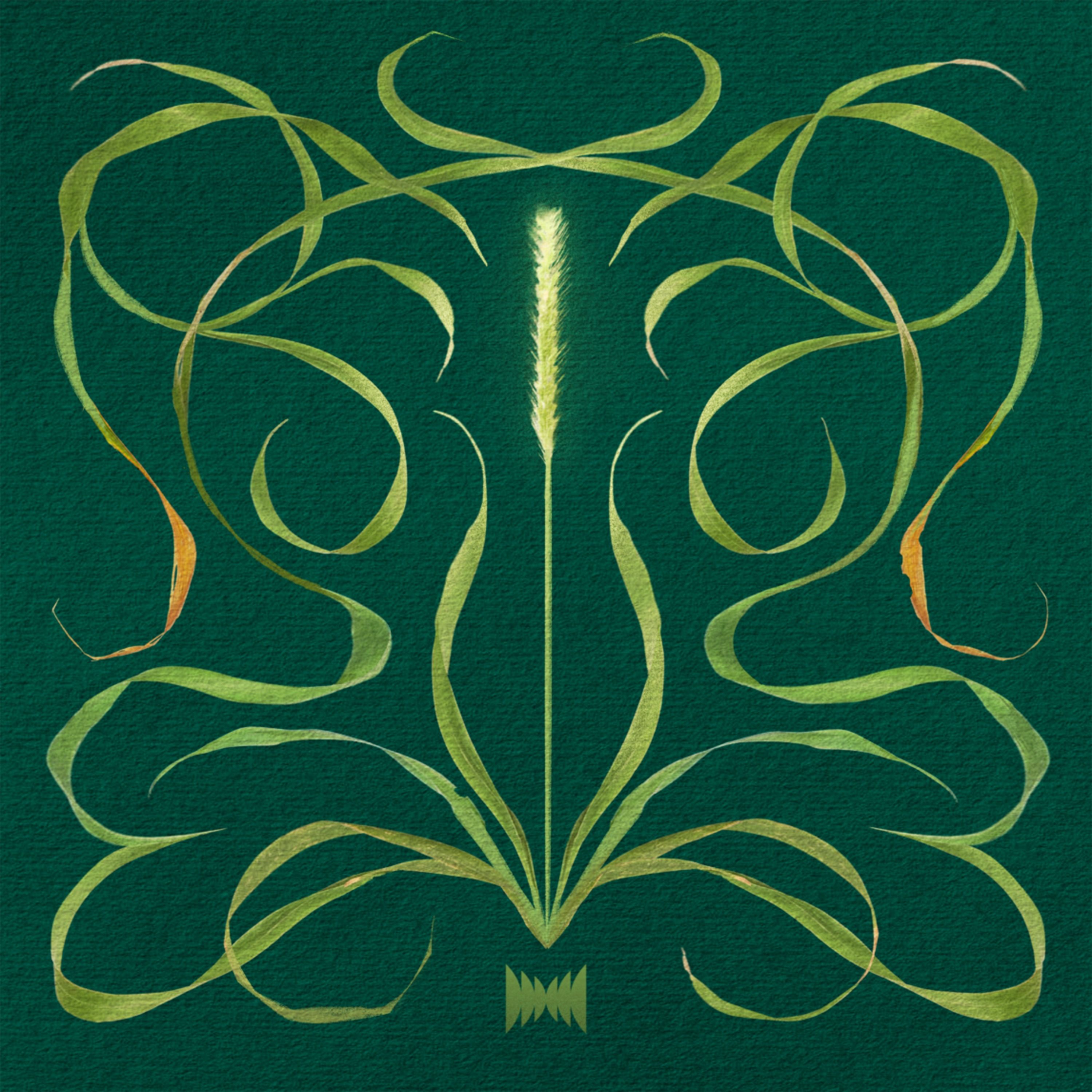
Overview of Grass Apes
This Radiolab episode explores an overlooked but foundational subject: grass. What starts as a simple question—what do people think about grass?—turns into a big, surprising story about evolution, ecology, human diet, and even why being in a grassy field feels calming. The episode argues that grasses didn’t just cover the planet; they helped shape mammals, human ancestors, and much of the food system we rely on today.
How the Episode Begins
Molly Webster opens with a playful Radiolab merch pitch for a custom fanny pack/crossbody bag designed by assistant producer and artist Anissa Vitsa. The bag features drawings inspired by recent episodes, including one about grass and another about Nigel the gannet, and serves as a membership incentive for Radiolab’s “Join the Lab” program.
Why Grass Matters
Grass as the “green screen” of nature
The episode starts with the idea that grass is often treated as background—something people barely notice, even though it’s everywhere. Many people associate it with:
- mowing lawns
- playing outside
- childhood memories
- grass stains
- animals eating it
- the smell and feel of it
But instead of being ordinary, grass turns out to be one of the most important plants on Earth.
Grass shaped the planet
Guest David George Haskell explains that grasses are major ecological engineers. Over millions of years, as the planet cooled and became drier in some regions:
- grasslands expanded
- fires became more common in seasonal climates
- grasses adapted by keeping their growing tissue low to the ground
- after fires, they could quickly regrow from protected tissues
He also explains that grasses contain silica—“glass-like” material—which helps defend them from grazing and wear.
Grass and Animal Evolution
As grasslands spread, many mammals moved into them and adapted to eating grass. The episode highlights how grazing animals evolved:
- tougher teeth
- complex stomach systems
- digestive microbes that help break down grass
Grass also plays a role in animal health; some animals, like dogs, eat grass and then vomit or pass it as a rough way to clear out parasites or irritation.
Grass and Human Evolution
From forest dwellers to “grass apes”
A major idea in the episode is that grasslands helped shape human ancestors.
According to Haskell:
- early ape ancestors lived mostly in forests
- as grasslands expanded, some ancestors spent more time in open areas
- moving in open landscapes may have favored bipedalism
- walking on two legs is more energy-efficient in open terrain
- freed hands allowed for more complex tool use
The episode jokingly suggests that if humans were named for their habitat and main food source, we might be called “grass apes” instead of jungle apes.
Grass as Food
The plants that feed most of the world
The episode emphasizes that grasses are not just something humans walk on—they are the basis of much of the global food supply.
Examples include:
- wheat
- rice
- corn/maize
- oats
- barley
- millet
- sorghum
- sugarcane
A key point: wheat, corn, and rice alone make up about 60% of human calories worldwide.
The episode also notes that grass-fed livestock are indirectly part of this story, since their diets are built from grass or grass-derived crops.
Why Grass Feels So Good
The episode ends by showing that grass affects us physically and emotionally, not just culturally.
Sensory effects of grass
Being near grass can:
- dampen sound by scattering high frequencies
- soften the acoustic environment
- release aromas that interact with our nervous system
- connect us to soil, microbes, and fungi below the surface
This creates a sense of calm that may be deeply rooted in human evolution, since grasslands were a major ancestral habitat.
Main Takeaways
- Grass is not just scenery; it is one of the most important plant families on Earth.
- Grasses adapted in powerful ways to fire, drought, and grazing.
- Grasslands likely influenced mammal evolution and human bipedalism.
- Much of human nutrition comes directly or indirectly from grasses.
- The comforting feeling of lying in grass may connect to deep evolutionary memory.
Production Notes
- The episode was inspired by a live show about grass at Little Island in New York City.
- It features scientist and writer David George Haskell.
- The episode closes with credits and a reminder to sign up for Radiolab’s newsletter and membership program.
Support and Membership Pitch
The opening segment promotes Radiolab’s membership program, Join the Lab, which includes:
- sponsor-free episodes
- bonus content
- members-only swag
- the custom Radiolab fanny pack/crossbody bag
The show emphasizes that listener support helps fund reporting and production, especially after Radiolab’s first year without federal funding.