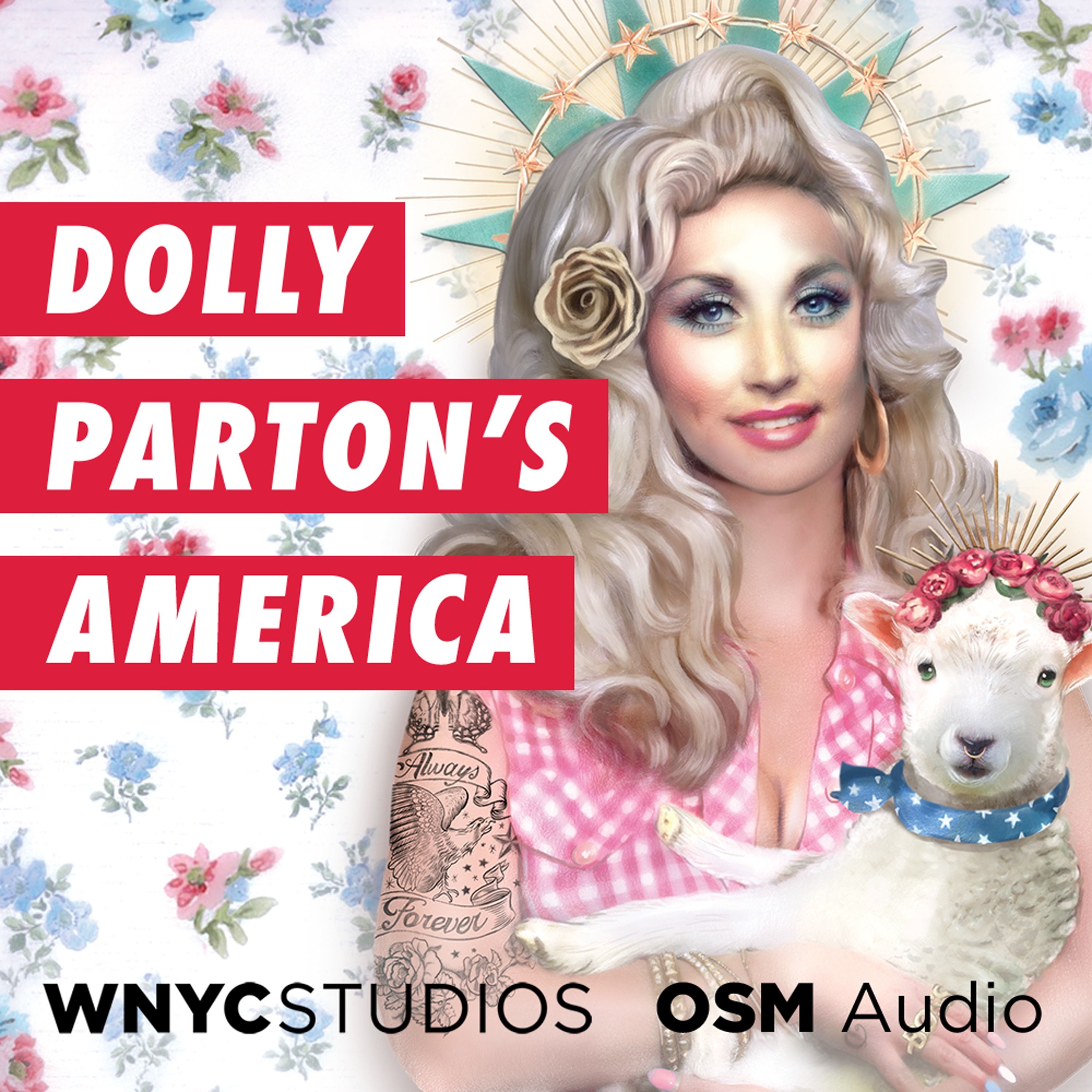
Overview of Dolly Parton's America: Sad Ass Songs
This Radiolab segment introduces the first episode of Dolly Parton’s America, a nine-part series by Jad Abumrad and Shima Oliaei that explores Dolly Parton’s life, music, and cultural impact. The episode uses Dolly as a lens for understanding America itself: how a woman from rural Tennessee became both a global superstar and a deeply intimate presence in people’s lives, especially through songs that were funny, painful, empowering, and emotionally precise.
Why Dolly Parton Matters Here
The episode opens by showing how personally Dolly has affected the Radiolab/WNYC team:
- Producer Jo Strogas shares that, as a 12-year-old, she sent Dolly a cover of “Jolene” and received a signed photo and a handwritten letter in return.
- That gesture becomes a small but powerful example of Dolly’s defining trait: she makes people feel seen, regardless of their age, status, or background.
- The host frames Dolly as someone who connects with millions not by being distant or untouchable, but by being warm, generous, and emotionally direct.
The Core Idea of the Series
Jad Abumrad explains that the series began because Dolly seemed to represent something bigger than celebrity:
- She appeared to function as a kind of American unifier during a deeply divided political moment.
- At her shows, people from very different backgrounds—church ladies, drag performers, lesbians, conservative fans, families, and more—shared the same space with surprising ease.
- The episode cites brand-awareness data suggesting Dolly is among the most universally liked public figures, with exceptionally low levels of dislike.
The question driving the series is essentially:
What can Dolly Parton teach us about America?
“Sad Ass Songs”: Dolly’s Early Songwriting
The first episode focuses on Dolly’s earliest albums, which are much darker and more intense than her later public image might suggest.
What the songs were really about
Dolly says she used to write a lot of “sad-ass songs,” and the episode argues that these early songs are often overlooked because people focus on her persona and humor instead of her craft.
These songs deal with:
- women being mistreated by men
- pregnancy, shame, and abandonment
- suicide and despair
- abuse, isolation, and poverty
- grief and emotional survival
The episode makes the case that Dolly was writing seriously observant social songs long before she became a pop icon.
Examples discussed
- “Daddy Come and Get Me” — inspired by a real family story involving a woman committed to an asylum by her husband.
- “The Bridge” — a tragic song about a pregnant woman left alone and ending her life.
- “Down from Dover” — about a pregnant teenager who is abandoned and loses her baby.
- “Coat of Many Colors” — later in her career, but still part of the emotional continuity: poverty, shame, and dignity.
The Appalachian Ballad Tradition
A major theme of the episode is that Dolly didn’t invent these themes out of nowhere—she inherited them from older Southern and Appalachian musical traditions.
- The transcript connects Dolly’s music to old murder ballads and folk songs she would have heard growing up.
- One example is the old ballad behind “Knoxville Girl,” which traces back to an older English murder song called “The Bloody Miller.”
- These songs often told stories from the killer’s perspective, and the episode argues that Dolly’s genius was to flip that viewpoint and give voice to the women.
Key insight
Dolly’s songwriting is framed as a kind of corrective:
- instead of making women background figures in violent stories,
- she centers their inner lives, pain, and dignity.
Dolly as Humor, Persona, and “Feminist in Practice”
The episode also examines why Dolly was often dismissed as a joke or novelty act:
- Late-night hosts regularly made jokes about her body and appearance.
- Dolly learned to control the joke by making better jokes herself.
- She has long understood that her image is part of her showmanship, but it never fully defines her.
At the same time, the episode explores how Dolly functions as a feminist icon—even though she rejects the label.
Dolly’s own position
When asked if she considers herself a feminist, Dolly says no:
- She describes herself instead as a woman in business.
- She says she loves men, writes about men too, and resists extreme labels.
- Her view is pragmatic: she lives her values rather than adopting a political identity label.
The episode’s broader argument
Through Sarah Smarsh and others, the episode suggests:
- Dolly may not call herself a feminist,
- but in practice she embodies a powerful version of womanhood:
- self-possession
- financial independence
- confidence in femininity
- refusal to be shamed
Grandma Betty and the Power of Dolly’s Songs
One of the strongest anecdotes comes from Sarah Smarsh’s grandmother, Betty, who looks strikingly like Dolly and lived a similarly hard, resilient life.
What Betty’s story shows
- She worked hard, fought back when necessary, and endured significant abuse.
- She did not describe herself as a victim.
- But when she listened to Dolly—especially “Coat of Many Colors”—she connected deeply.
This part of the episode shows that Dolly’s songs resonate with women whose lives involve:
- poverty
- pride
- shame
- resilience
- survival without self-pity
Betty’s story reinforces the idea that Dolly gives language to experiences people already carry but rarely hear reflected back to them.
Main Takeaways
- Dolly Parton is presented not just as a celebrity, but as a cultural mirror for America.
- Her early work is far darker and more emotionally complex than her public image suggests.
- She drew on old Appalachian folk traditions, especially ballads about violence and suffering.
- Her songs often give voice and dignity to women who are ignored, shamed, or harmed.
- Dolly’s appeal cuts across politics, class, gender, and geography because she combines:
- humor
- empathy
- business savvy
- emotional honesty
- refusal to be boxed in
Closing Note
The episode ends by inviting listeners into the rest of the series, emphasizing that this is only the first of nine “trips into the Dolly-verse.” The larger promise is that by understanding Dolly Parton, you may better understand the emotional contradictions of America itself.
Notable Lines and Ideas
- “I used to write a lot of sad-ass songs.”
- “My tits hanging out, pushing them out there” — Dolly’s blunt, self-aware approach to her image.
- “I live it. I work it.” — Dolly’s answer to being called a feminist in practice.
- Dolly’s music is described as a “toolkit for living.”
Recommendation
If you’re interested in American culture, songwriting, feminism, or Appalachian history, this episode strongly suggests listening to the full Dolly Parton’s America series.