Overview of Bonus: Wild Animal Dads from Terrestrials
In this Father’s Day bonus episode from Terrestrials by WNYC Studios, host Lulu Miller explores the surprising diversity of fatherhood in the animal kingdom. With help from two human dads—Michael and biological anthropologist Dr. Eduardo Fernández-Duque—the episode argues that fathering is far more varied, nurturing, and biologically “natural” than common stereotypes suggest. From owl monkeys to seahorses to beetles, the show uses vivid animal examples to broaden the idea of what dads can be.
Main Idea
The episode’s central message is that there is no single model of fatherhood.
- Some animal dads are absent or even harmful.
- Others are intensely involved, protective, and nurturing.
- Fathering behaviors can include carrying, feeding, guarding, teaching, incubating, and even “pregnancy.”
- The show pushes back on the assumption that caregiving is mainly a maternal role.
Animal Dads Featured
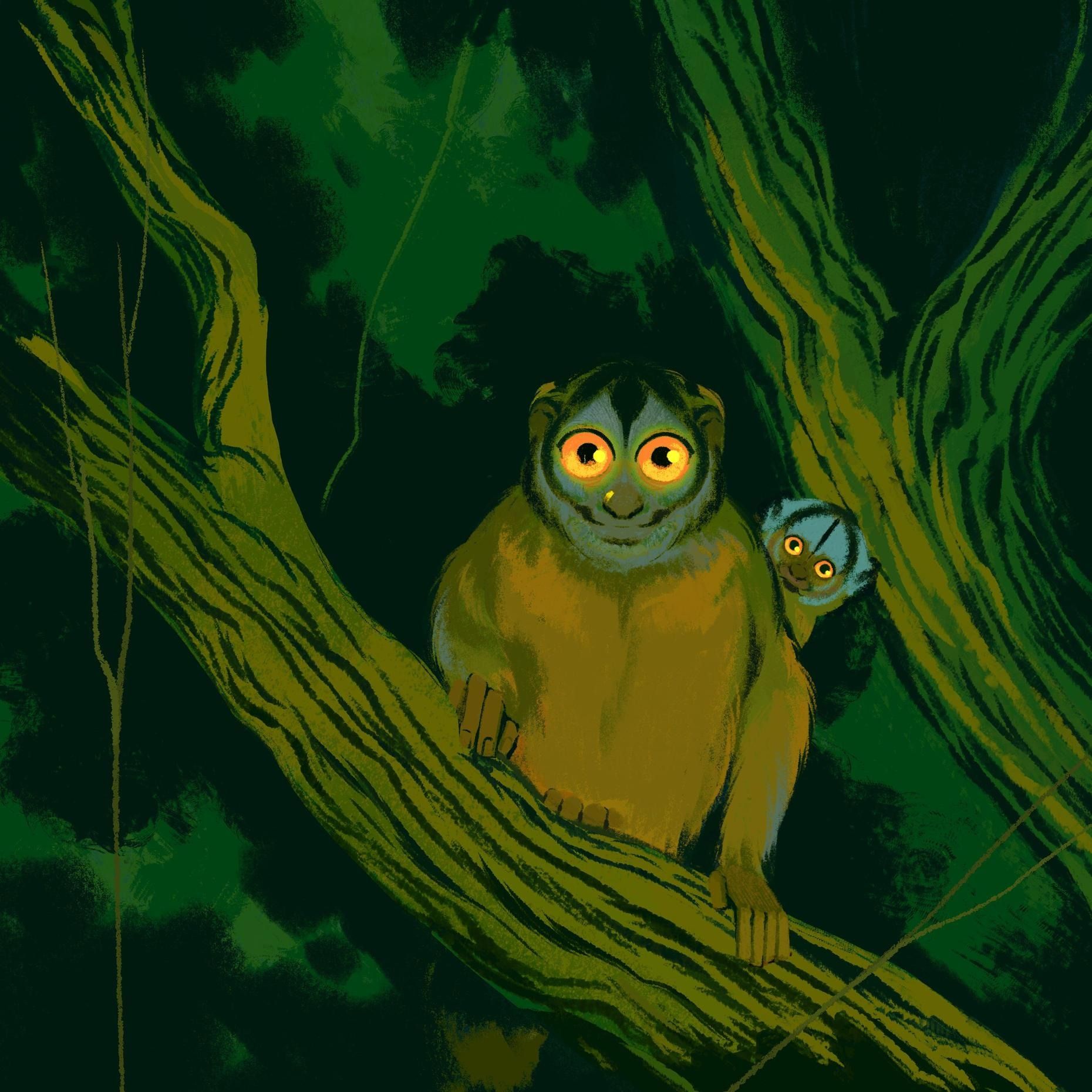
Owl monkeys
The episode opens with Eduardo’s long-term observations of owl monkey fathers in Argentina:
- The father helps at birth, even touching the umbilical cord.
- After nursing for a short time, the baby climbs onto dad’s back and stays there for months.
- The dad grooms, protects, teaches feeding skills, and helps the infant cross gaps in the treetops.
- The bond may become especially strong between father and child.
Seahorses
A classic but striking example:
- The female deposits eggs into the male’s pouch.
- The male essentially “pregnates” and gives birth.
- This flips the usual expectations of who carries the babies.
Poison dart frogs
These dads are highly involved:
- They guard eggs on the forest floor.
- After hatching, each tadpole is carried individually on the father’s back.
- Dad places the tadpoles in small water-filled plants and returns to check on them.
- Since the father can’t feed them directly, he helps by calling females to lay unfertilized eggs for the tadpoles to eat.
Darwin’s frogs
A more extreme form of care:
- The father swallows the eggs and keeps them in his vocal sac.
- The babies eventually emerge from his mouth.
- The behavior protects them from predators and danger.
Burying beetles
A surprisingly tender and grim example:
- Males and females bury a dead small animal to create an “edible nursery.”
- The carcass is cleaned, shaped, and coated with antimicrobial secretions.
- If the mother leaves, the father may raise the brood alone.
- This involves feeding larvae and defending them from threats.
Chimpanzees
The episode challenges the “mean chimp dad” stereotype:
- Recent observations show that some chimp fathers groom, cuddle, and care for babies.
- Behavior varies by individual; not all chimp dads are aggressive or absent.
Jacanas
A role reversal among birds:
- Females compete for access to males who will care for the eggs.
- The father incubates and protects the nest on his own.
Stickleback fish
Another example of male nesting:
- Males build nests from plants glued together with mucus-like “spiggen.”
- They perform mating dances to attract females.
- Fathers then care for the eggs in the nest.
Scientific Takeaways
Fathering is ancient
Eduardo and Michael discuss how caregiving behavior may be rooted deep in evolution:
- Some parental instincts appear in very old parts of the brain.
- Male fish may represent one of the earliest forms of nesting behavior.
- Mammalian fathering evolved later, but it is still grounded in ancient biology.
The “natural dad” stereotype is too narrow
Michael reflects on how he was taught to think of chimp-like male behavior as the default model for human fathers. Learning about owl monkeys and other species helped him realize:
- Dads can be soft, nurturing, and physically affectionate.
- Caregiving is not limited to mothers.
- Human parenting is flexible and species-wide, not fixed by one model.
Notable Moments and Tone
The episode mixes science with playfulness and wonder:
- It treats animal behavior with awe and humor.
- It repeatedly reframes fatherhood as adaptable rather than rigid.
- It includes a musical, celebratory tribute to dads of many kinds.
- The closing message encourages listeners to appreciate father figures in their lives, however they show care.
Listener Q&A and Extras
At the end, kids ask Eduardo questions about owl monkeys, including:
- Whether an owl monkey or owl would win in a fight
- What owl monkeys feel like to hold
- Why their toes are so long
- Whether their orange eyes see differently
- Whether they can help clean rooftops by eating insects
These questions add a childlike sense of curiosity and reinforce the episode’s educational spirit.
Final Takeaway
The episode celebrates the idea that fatherhood is not one thing. Across species, dads can be protectors, carriers, nest-builders, teachers, incubators, and full-time caregivers. The big message is simple: nature is full of dads who nurture, and that should expand how we think about fatherhood in humans too.