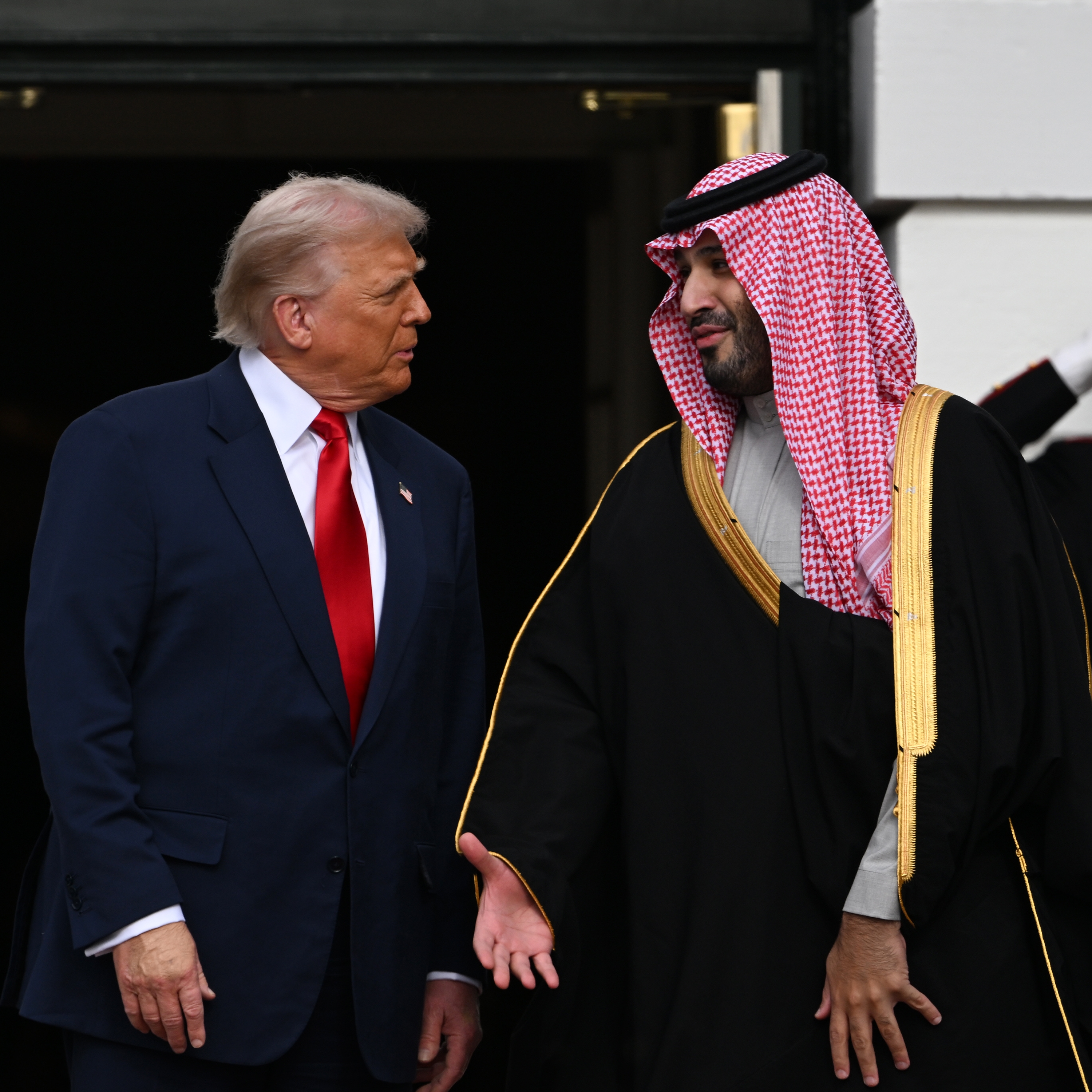
Overview of Why the U.S. won't quit Saudi Arabia
This Post Reports episode (host Elahe Ezzadee, guest Michael Birnbaum) explains why, despite the 2018 CIA assessment that Saudi Crown Prince Mohammed bin Salman (MBS) approved the killing of Washington Post columnist Jamal Khashoggi, the United States — under multiple administrations — has repeatedly rebuilt ties with Riyadh. The piece traces the arc from Khashoggi’s murder and congressional outrage to the pomp of MBS’s high-profile 2024 U.S. visit, and details the strategic, economic and personal reasons that make the partnership difficult to abandon.
Key takeaways
- MBS was widely condemned after the 2018 murder of Jamal Khashoggi in Istanbul; U.S. intelligence concluded he had approved the operation, but Saudi leadership denied responsibility and prosecuted lower-level actors.
- Political pressure and some cooling of relations followed, including a Senate resolution blaming MBS and measures limiting U.S. support in Yemen — yet ties were never fully severed.
- Strategic imperatives (energy markets, regional stability, countering adversaries) and economic incentives (investment pledges, defense sales) repeatedly pull U.S. policymakers back to cooperation with Saudi Arabia.
- The 2024 White House rollout for MBS — lavish receptions, high-level meetings and public praise from President Trump — signals a public rehabilitation of the crown prince, even as many details of deals remain vague.
- Saudi efforts to rebrand include major cultural and entertainment investments; Trump–MBS personal and business linkages deepen the relationship’s complexity and raise conflict-of-interest questions.
Timeline / arc of the relationship
- 2018: Jamal Khashoggi murdered in Saudi consulate in Istanbul; CIA assesses MBS approved the killing. U.S. lawmakers condemn Saudi leadership.
- Post-2018: Relations cool; Congress restricts U.S. military involvement in aspects of the Saudi-led Yemen war; Saudi accountability at senior levels remains limited.
- 2020s (Trump & Biden periods): Both administrations re-engage for pragmatic reasons. Trump cultivated close ties; Biden initially condemned MBS but recalibrated after Russia’s 2022 invasion of Ukraine triggered global energy instability.
- 2024 visit: MBS receives a grand U.S. welcome with White House dinner, Oval Office praise, and investment claims (Saudis earlier promised $600B; visit rhetoric pushed figures toward “almost a trillion,” though details are unclear).
Why the U.S. keeps leaning on Saudi Arabia
- Energy: Saudi capacity and decisions strongly influence global oil prices; U.S. presidents have reached out to stabilize markets when prices and inflation spike.
- Geopolitics: Saudi Arabia is a major regional power — influential on issues involving Iran, Yemen, Israel–Arab normalization, Syria and broader Middle East stability.
- Security/defense: Riyadh is a close purchaser and recipient of U.S. military equipment and cooperation.
- Economic ties: Saudi investments are attractive to U.S. business and government alike; high-profile pledges help politically and symbolically.
What Saudi Arabia gains
- Security guarantees, advanced weaponry and defense cooperation with the U.S.
- International legitimacy, investment flows and a path to normalize and expand ties with Israel and other neighbors.
- Global PR and soft-power expansion through investments in sports, entertainment and culture (e.g., golf, comedy festivals).
- Business and direct ties with U.S. political and commercial figures (Trump Organization projects, investments in Jared Kushner’s firms).
Money, deals and optics
- Investment claims: MBS has touted massive sums (e.g., $600B earlier; “almost a trillion” during the visit), but timelines and specifics are vague. The Saudi sovereign wealth fund is roughly $1 trillion — conflation of figures is common.
- Defense sales: Trump announced potential access for Riyadh to advanced systems including F-35 jets; this raises long-term questions about Israel’s legislated “qualitative military edge” and timelines (even if ordered, delivery would be years away).
- Business entanglements: Trump Organization projects in Saudi cities and prior Saudi investments in Kushner-linked funds complicate the line between statecraft and private financial interests.
Human-rights and political reactions
- Many lawmakers and rights advocates remain uncomfortable with the rehabilitation of MBS given the Khashoggi finding and Saudi repression.
- Saudi response to CIA conclusions: Riyadh rejected MBS responsibility, conducted its own prosecutions of lower-level officials, and has not accepted senior-level accountability.
- Public appearances (Oval Office exchange, lavish state-style events) were criticized by reporters and some politicians as effectively absolving or overlooking human-rights concerns.
MBS’s image-rebuilding strategy
- Cultural pivot: heavy spending on global entertainment, sports, and cultural events to portray Saudi Arabia as modern and open.
- Targeted diplomacy and high-profile investment pledges to rebuild international relationships and attract Western business and celebrity engagement.
- Domestic mix: visible social liberalization (e.g., entertainment openings) coupled with continued repression of political dissent.
What to watch next
- Concrete details and timelines of investment promises (how much, where, and when the money will flow).
- Progress or decisions on major defense sales (e.g., F-35) and how the U.S. will address Israel’s security assurances.
- Trump Organization and Kushner-related financial ties to Saudi entities — whether new contracts or projects emerge and their transparency.
- Saudi role in any push for Gaza ceasefire, broader Israel–Arab normalization, and conditionality tied to Palestinian-state talks.
- Congressional or administrative pushback that might constrain aspects of the relationship.
Notable quotes from the episode
- Trump (in Oval Office): “He has become a true partner for peace and prosperity for our countries and for the world…” (praising MBS).
- Trump, on greeting MBS: “I don't give a hell where that hand's been. I grabbed that.” (colorful defense of the handshake/fist-bump optics).
- Michael Birnbaum: MBS is “a millennial crown prince,” using cultural diplomacy and investments to shift Saudi Arabia’s image while retaining political controls at home.
Produced and reported context: Michael Birnbaum (White House correspondent) explains the political calculus and economics behind the U.S.–Saudi relationship and why, despite major human-rights controversies, the U.S. continues to court and work with Saudi leadership.