Overview of "What's behind Trump's moves in Latin America?"
This Post Reports episode (hosted by The Washington Post) features Karen DeYoung and Samantha Schmidt analyzing an intensified U.S. campaign of political, economic and military pressure across Latin America under the Trump administration. The conversation focuses on three countries — Venezuela, Colombia and Argentina — and places recent actions (naval deployments, strikes on boats, sanctions, diplomatic moves and financial aid) into historical and geopolitical context. The guests assess motivations (migration, drugs, ideology), legal concerns and regional fallout.
Key takeaways
- The Trump administration has escalated a hands‑on, interventionist posture in the Western Hemisphere, deploying warships, troops and reopening bases near Venezuela.
- Venezuela is the administration’s primary target: officials justify military and coercive measures as anti‑drug and migration policy, but evidence linking Venezuela to fentanyl flows is weak.
- Colombia’s relations with the U.S. have soured under leftist president Gustavo Petro, who has criticized U.S. drug policy; Washington has threatened aid cuts and taken punitive measures that risk eroding a long‑standing security partnership.
- Argentina’s populist, free‑market president Javier Milei (spelled “Millay”/“Millet” in the transcript) is being embraced by the U.S., including conditional financial support tied to political outcomes.
- The administration appears to be prioritizing alignment with right‑leaning, authoritarian‑leaning leaders across Latin America, rewarding ideological allies and pressuring opponents.
- Legal and diplomatic constraints on U.S. use of force are limited in practice; domestic and international legal mechanisms offer little immediate check on unilateral action.
Country-by-country summary
Venezuela
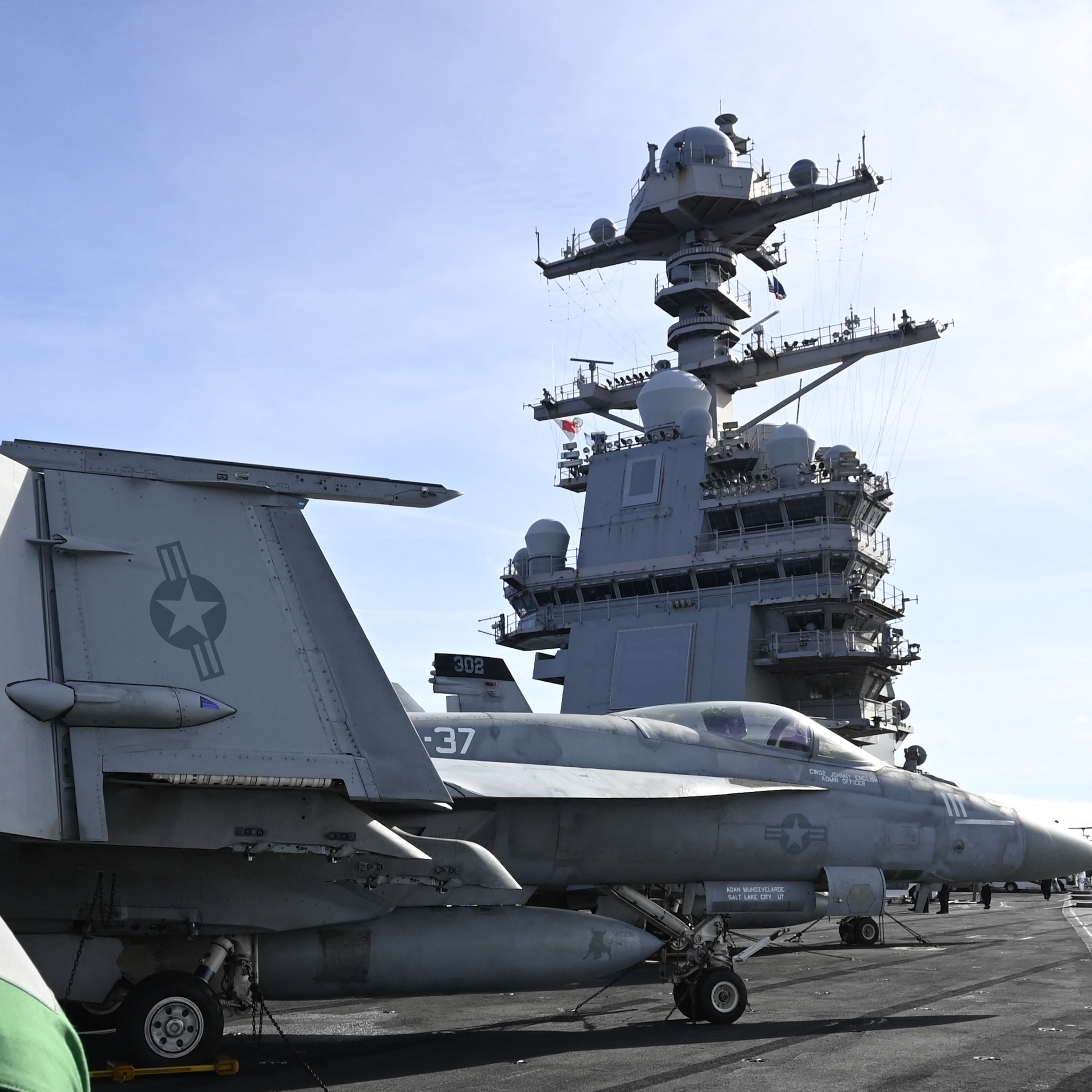
- U.S. actions: large naval presence, aircraft carrier deployment, strikes on long, fast boats in international waters that Washington says were involved in drug trafficking; reopened a base in Puerto Rico.
- Rationale given: stem drug flows (especially fentanyl) and migration; portray Nicolás Maduro as illegitimate and as a major drug trafficker.
- Questions/controversies: limited public evidence presented linking boat strikes to drug shipments or identifying those killed; fentanyl production is not primarily centered in Venezuela; concerns about risk of a broader military escalation.
- Legal status: Maduro is under U.S. indictment (drug trafficking) and long‑standing U.S. sanctions are in place.
Colombia
- Political shift: Gustavo Petro, Colombia’s first leftist president and a former guerrilla, opposes hardline U.S. drug policy and calls for rethinking coca criminalization.
- Tensions: Petro publicly condemned U.S. boat strikes as murder; U.S. revoked his visa at one point (per the discussion) and Treasury sanctions/accusations escalated rhetoric accusing him of drug ties (the podcast reports such accusations).
- Impact: Petro suspended intelligence sharing with the U.S. pending an end to the strikes; potential U.S. aid cuts would be a major rupture in a long‑standing security partnership.
Argentina
- Political alignment: Javier Milei is ideologically aligned with Trump (anti‑big government, pro‑market) and cultivated close ties with U.S. leaders.
- U.S. support: Washington has signaled financial backing (a reported $20 billion stabilization package contingent on political outcomes such as legislative wins).
- Framing: Argentina represents the flip side of the policy — the U.S. cultivating and materially backing right‑leaning allies across the region.
Historical and geopolitical context
- U.S. hemispheric policy has long roots: from the Monroe Doctrine through 20th‑century military occupations, CIA interventions (e.g., Central America), and Cold War anti‑communism.
- In recent decades Latin American states diversified partners (China, European trade), and many observers saw U.S. focus on the region ebb.
- The current approach is presented as a restoration of U.S. primacy in the hemisphere: favor allies who adopt U.S. political/economic/military policies and punish those who do not.
Motivations and drivers identified in the episode
- Domestic politics: immigration and drug overdose fears are powerful domestic constituencies for tough action; the administration links Latin American policy to U.S. border control and voter priorities.
- Ideology: preference for right‑wing, populist or authoritarian leaders who align with MAGA priorities (examples cited: Milei in Argentina, Nayib Bukele in El Salvador).
- Security narrative: framing actions as counter‑narcotics and national security measures, even when the factual basis (e.g., fentanyl origins, boat evidence) is disputed.
- Electoral influence: pressures and incentives (aid, bailouts, sanctions) are used to shape political outcomes in regional elections.
Legal, diplomatic and moral implications
- Use of force: strikes in international waters, lethal action against suspected smugglers, and heavy naval deployments raise questions under domestic War Powers norms and international law.
- Accountability: international courts and legal mechanisms can generate outrage or suits, but practical enforcement against a powerful unilateral actor is limited.
- Regional fallout: strained intelligence cooperation (Colombia), higher military alert levels (Venezuela), and diplomatic realignments increase risk of miscalculation and escalation.
What to watch next
- Military movements: additional carrier/task force deployments, changes in force posture near Venezuela and the Caribbean.
- Diplomatic escalations: further sanctions, visa actions, aid suspensions to Colombia, and formal protests or reciprocal measures by affected countries.
- Domestic U.S. checks: congressional debates/resolutions invoking War Powers or restricting funding for operations in the region.
- Regional politics: upcoming elections in Colombia and elsewhere that could reshape U.S. influence; how Argentina’s bailout plays out politically and economically.
- Humanitarian and migration outcomes: whether increased pressure leads to larger migration flows or destabilization that impacts neighboring countries.
Notable insights and quotes
- “We are entering an era of really aggressive intervention in the hemisphere in a way we haven't seen in a long time.” — characterization used to summarize the scope of escalation.
- The U.S. justification frames actions as anti‑drug and anti‑migration, but the podcast stresses that the evidence and regional dynamics don’t always support that narrative (e.g., fentanyl’s supply chains, opaque evidence for boat strikes).
Bottom line
The Trump administration’s Latin America strategy combines hard power (naval deployments, strikes), coercive tools (sanctions, visa revocations), and selective economic incentives to reshape the region toward ideologically aligned governments. That mix is increasing tensions with longstanding U.S. partners, raising legal and diplomatic questions, and creating risks of further escalation — all while being tightly linked to domestic U.S. political priorities around migration and drugs.