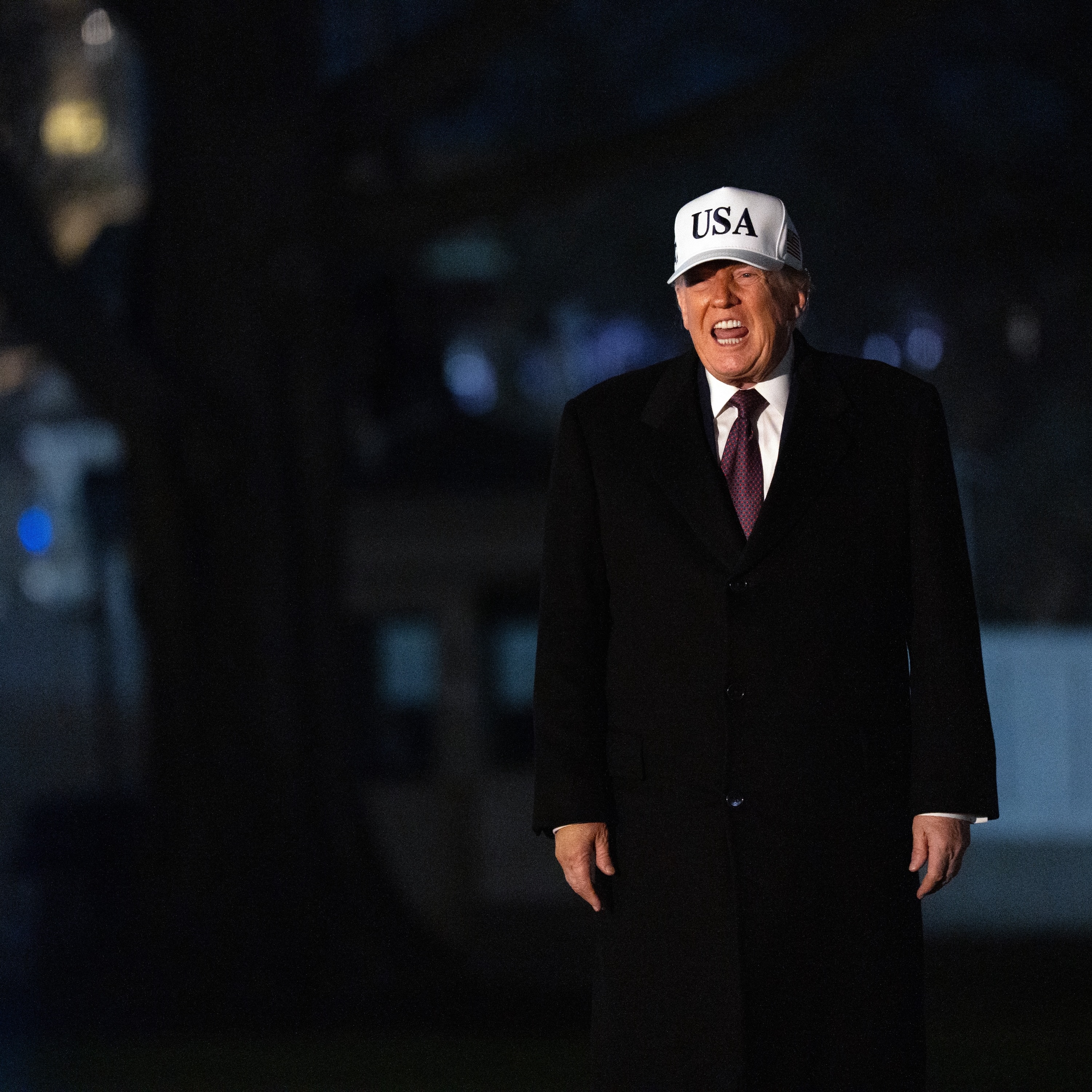
Overview of Trump’s intimidation playbook and a presidential middle finger
This Post Reports politics roundtable (hosted by Kolbie Echowitz with guests Dan Merica and Matt Viser) examines a week of stories that, taken together, illustrate recurring themes in the Trump era: alleged weaponization of federal power against critics, the political pressure placed on institutions, and the erosion of presidential norms. The episode reviews four main events — the FBI search of Washington Post reporter Hannah Naitenson’s home, the DOJ probe of Fed Chair Jerome Powell, fallout from the Minneapolis ICE shooting, and Trump’s middle-finger gesture at a Ford plant — then closes with a listener question about why politicians shift toward self‑preserving behavior.
Key topics covered
-
FBI raid on Washington Post reporter Hannah Naitenson
- Morning search of her home; seizure of computers, phone and a Garmin watch.
- Tied to an investigation of a source accused of leaking classified documents.
- Reporters and sources alarmed; chilling effect on journalism and source cooperation.
- Newsroom solidarity: staff praised Naitenson as exemplifying strong journalism.
-
DOJ investigation of Fed Chairman Jerome Powell
- Prosecutors probing a Fed building renovation overrun and Powell’s congressional testimony.
- Powell released a video calling the probe politically motivated and a threat to Fed independence.
- Trump publicly pushed for Powell to be investigated; administration’s role questioned.
- Political fallout: Senate Republicans (e.g., Tom Tillis) and Wall Street figures oppose perceived DOJ overreach; this may complicate Trump’s ability to install a successor (potentially Kevin Hassett).
-
Minneapolis ICE shooting and federal response
- Public outrage after video of Renee Nicole Good’s death; broad public exposure and negative polling on ICE’s use of force.
- Several top federal prosecutors resigned, reportedly over pressure to investigate Good’s widow and other political demands.
- DOJ leadership (including AG Pam Bondi) shrugged off the resignations, signaling partisan tensions.
- Trump threatened invoking the Insurrection Act for Minnesota; administration labeled protesters/Good in harsher terms than public sentiment supports.
-
Trump’s middle-finger incident in Detroit
- At a Ford plant, a UAW line worker (T.J. Sabula) shouted “pedophile protector” to Trump (referencing Epstein coverage).
- Video shows Trump mouth a curse at the worker and flip him off; Sabula was later suspended pending investigation.
- Massive left-leaning crowdfunding support for the worker (nearly $800K reported).
- The episode highlights how Trump publicly responds to criticism, and how reactions split sharply along partisan lines.
Main takeaways and implications
- Pattern of intimidation: The week’s events reinforce a narrative that the administration and allied DOJ are willing to use federal power in aggressive ways against perceived critics and targets.
- Chilling effect on the press: The search of a Post reporter’s home has heightened newsroom concerns about source protection and could reduce willingness among government insiders to share information.
- Institutional independence at risk: The Powell probe is seen as an attempt to penalize policy decisions that don’t align with presidential preferences — a development that alarms senators, markets, and could undercut Trump’s ability to place a compliant Fed chair.
- Political and public reaction matter: High-profile video (Minneapolis, Detroit) can unite broad swaths of the public in ways that normal messaging often does not; the administration’s framing has not aligned with majority public opinion in the Minneapolis case.
- Norm erosion: Trump’s gestures and visible anger illustrate a broader shift in what is tolerated from a president compared with past administrations; reactions reveal deep partisan divides on acceptable presidential behavior.
Notable quotes / lines of argument
- Jerome Powell (summarized in the episode): The investigation “is not about my testimony… These are pretexts. The threat of criminal charges is a consequence of the Federal Reserve setting interest rates based on our best assessment rather than following the preferences of the president.”
- Newsroom sentiment: Hannah Naitenson described as “the best of the Washington Post” — a point used to emphasize newsroom solidarity and journalistic resolve.
- Panel observation: Multiple guests noted a consistent Trump pattern — using public displays or federal mechanisms to demonstrate control and intimidate critics.
Practical consequences and what to watch next
- Journalism: Monitor newsroom practices and whether sources pull back or newsrooms alter how they store/protect sensitive materials.
- Federal Reserve appointments: Watch Senate Banking Committee maneuvers (e.g., Tom Tillis and other Republicans) and any delay/blocking of Fed nominees until inquiries conclude.
- DOJ independence: Track further departures or disputes within the Justice Department and any precedent-setting prosecutions of government officials or journalists’ sources.
- Politics and midterms: Public reaction to the Minneapolis shooting and the optics of the Detroit incident could affect swing voters and donor/Wall Street sentiment that influence Senate Republicans’ stance.
- Legal/process follow-ups: Outcomes of the Powell probe, the Naitenson-related investigation, and state/federal probes in Minneapolis will be central to assessing long-term institutional damage.
Listener question addressed
- Why do politicians become self‑serving or cling to power?
- Power’s psychological pull: officeholders can feel uniquely suited to lead and become reluctant to relinquish control.
- Institutional incentives: reelection, fundraising, party dynamics, and internal deal‑making shift behavior toward preservation of power.
- Cultural and systemic forces: entrenched political hierarchies, long careers in office, and the pressure of partisan loyalty can erode original motivations.
Bottom line
The episode frames these four stories as connected examples of a broader strategy — or at least pattern — in which political power is used to intimidate critics, influence institutions, and reshape norms. The immediate consequences include heightened concern in newsrooms, potential obstacles to presidential influence over the Fed, public backlash in the Minneapolis case, and intensified debate over presidential conduct following the Detroit incident.