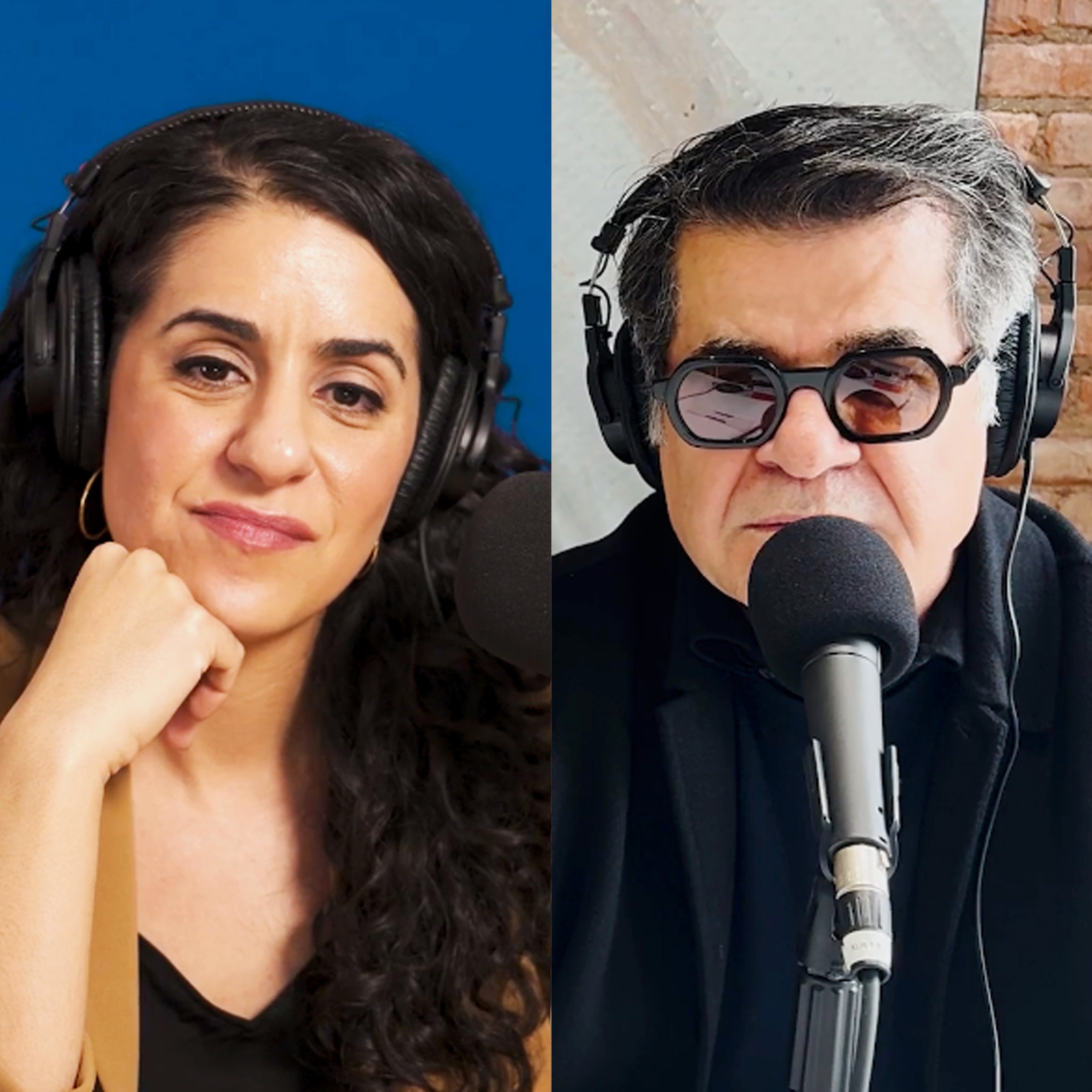
Overview of The Iranian director who risked his freedom to make his Oscar-nominated film
This Washington Post Post Reports interview (host: Elahe Eizadi) features acclaimed Iranian filmmaker Jafar Panahi (with translator Shada Dayani). Panahi discusses making his new film It Was Just an Accident in secret inside Iran despite bans, recent legal repercussions (a one-year prison sentence and travel ban accused of "propaganda against the state"), why he continues to return to Iran, and the film’s themes, production methods, and international reception (Cannes top prize and two 2024 Oscar nominations: Best International Feature and Best Original Screenplay).
Key takeaways
- Panahi made It Was Just an Accident clandestinely in Iran; authorities have since sentenced him to one year in prison and imposed a travel ban (his lawyer is appealing).
- The film was inspired by Panahi’s own imprisonment in 2022 and other Iranians’ experiences of arrest and torture.
- Central question of the film: will cycles of state violence continue into the next generation or can they be broken?
- Panahi insists on returning to Iran after the Oscars campaign despite the risks — he says he feels more alive and knows how to live there.
- He characterizes himself as a socially engaged, not partisan political, filmmaker: his films portray people in realistic, complex ways rather than labeling them purely "good" or "bad."
How the film was made (underground production)
- No official permit: Panahi and his team used low-profile, adaptive strategies common to underground filmmaking in repressive contexts.
- Tactics referenced:
- Very small crews to avoid attention.
- Creative hiding of equipment (echoing past work: This Is Not a Film and the taxi-shot choreography used in Taxi).
- Working with collaborators who understand and accept the risks.
- Panahi: when official avenues are closed, artists “find a way” — “they throw you out the door, you come back from the window.”
Why Panahi keeps making films despite repression
- Filmmaking is his primary language and life’s motivation; he says pain and suffering themselves provide the energy to continue.
- He accepted the risks knowingly: previous bans (including a 20-year ban) and arrests did not deter him.
- He frames filmmaking as social commitment: artists in Iran see their work as part of broader resistance and civic life.
About It Was Just an Accident — themes and story
- Plot hook: a group of former political prisoners kidnap a man they believe was their torturer — but they’re unsure of his identity because their interrogations were done blindfolded.
- Core concern: whether violence breeds more violence — will cycles of torture and retribution be perpetuated or halted after the state’s abuses end?
- Tone: mixes dark subject matter with everyday realism and intermittent humor (reflecting Iranian cultural resilience), reserving heavy, silent intensity for the film’s final act.
- Social realism: Panahi intentionally depicts contemporary street realities (e.g., women without hijab) to reflect post–Women, Life, Freedom movement shifts after Mahsa Amini’s death.
Reception and stakes
- International acclaim: top prize at Cannes; two Oscar nominations (Best International Feature; Best Original Screenplay).
- Panahi on awards: wants films seen and discussed — festivals and awards drive audience curiosity and critical feedback, which he values for artistic growth.
- While the film is celebrated globally, it has led to renewed legal reprisals at home (charged with propaganda).
Notable quotes
- “I know no other work.” (on why he keeps making films)
- “They throw you out the door, you come back from the window.” (on finding ways to create under repression)
- “When you are in pain and you have the sense that you need to speak up, you don't have to have a particular sense of courage… that pain and that suffering… gives you the energy to go forward.”
- On political vs. social filmmaking: a political film, he says, is partisan and divides people into good/bad; his films aim to portray complex humans beyond ideological labels.
Context and related details
- Panahi was jailed in 2022 after inquiries into the arrest of a fellow filmmaker; tens of thousands of Iranians have faced arrest and torture amid crackdowns on protests in recent years.
- Other Iranian filmmakers have been targeted (examples discussed: Mohammad Nourizad and Ali Ahmadzadeh), illustrating ongoing suppression of artists.
- Interview recorded at Neon’s New York office; Washington Post filmed the conversation (available on the Washington Post Podcasts YouTube channel).
Where to watch / follow-up
- The interview video is on the Washington Post Podcasts YouTube channel (post producers and show notes include links).
- Film distributor: Neon (provided clips and images for the interview).
- Follow legal and festival updates via major outlets covering international film and human rights reporting.