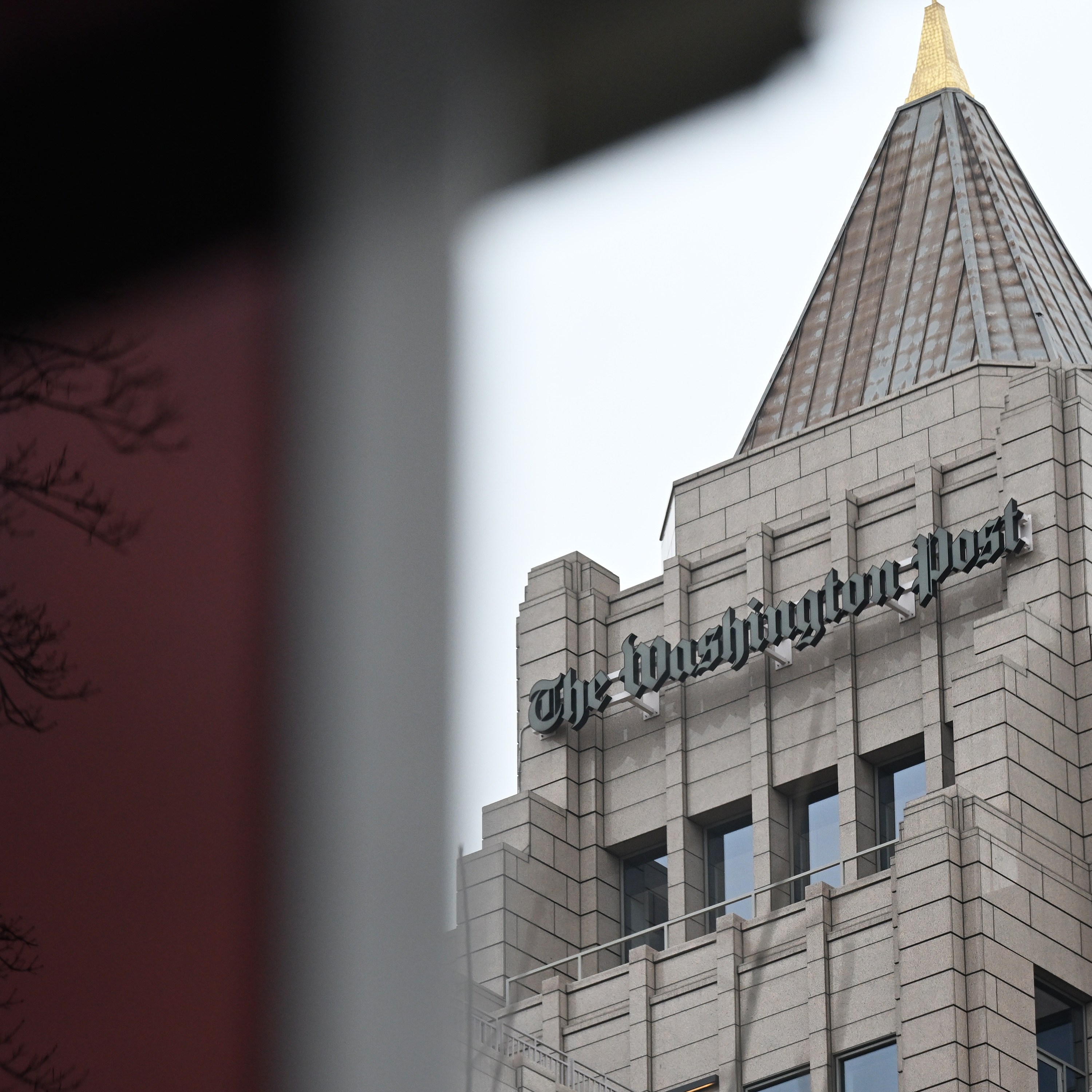
Overview of The Washington Post — "The FBI raid on our reporter's home"
This episode reports on the FBI search of Washington Post federal government reporter Hannah Natanson’s home and devices, places the action in legal and historical context, and revisits an April interview with Natanson about how she built a large network of federal-worker sources. Journalists and press-freedom advocates regard the home raid as an unusually aggressive escalation that raises concerns about source protection, chilling effects on federal employees, and changing Justice Department policies around investigations of reporters.
What happened
- Early Wednesday morning FBI agents executed a search warrant at Natanson’s Virginia home.
- Seized items included Natanson’s phone, two laptops (one personal, one Post-issued), and a Garmin watch.
- The warrant and affidavit tied the search to a national-security leak investigation into a government contractor identified in FBI filings (named in the warrant as Aurelio Perez Lugones). The contractor was charged with unlawfully retaining national defense information.
- The Post says neither Natanson nor the paper are targets; the Post also received a subpoena seeking communications between the contractor and Post employees.
- The FBI director (as reported by the Post) posted that the alleged leaks endangered the military.
Legal and historical context
- It is common for leak investigations to involve subpoenas to journalists; what is unusual here is an early-morning home search and device seizure.
- The Privacy Protection Act (1980) generally restricts using search warrants against journalists’ work materials unless the journalist is suspected of a crime or other narrow exceptions apply; national-security exceptions have been invoked historically.
- The Obama administration notably increased prosecutions of government leakers using the Espionage Act, prompting press-freedom concerns.
- The U.S. has no law that explicitly criminalizes journalists for obtaining or publishing classified information; prosecutions typically target sources.
- DOJ policies and internal guidance on seeking reporters’ records have shifted over time, and recent departmental decisions have loosened restraints that had previously limited access to reporters’ communications (as reported in the episode).
Reaction from journalists and press-freedom advocates
- Many reporters and advocates called the raid a jarring escalation and a dangerous precedent.
- Concern about chilling effects: sources—especially federal employees—may stop communicating with journalists out of fear of exposure, loss of clearance, or retaliation.
- Journalists described immediate operational changes and heightened caution after the raid.
How reporters are adjusting security practices
- Common measures reporters are adopting or reinforcing:
- Using end-to-end encrypted messaging (Signal, etc.)
- Strong, frequently changed passwords and two-factor authentication
- Turning off features like biometric unlock/face recognition
- Using burner phones or devices isolated from main accounts
- Storing particularly sensitive work on computers not connected to the internet
- Consulting newsroom lawyers when subpoenas arrive
- The Snowden-era reporting model (rigorous offline handling of classified material) is a reference point for modern operational security.
Highlights from Hannah Natanson’s April interview (how she built sources)
- Natanson built a large network of federal-worker contacts by posting contact information (including Signal) to a large Reddit forum for federal employees (r/FedNews/RFedNews), and by sharing her stories back to that community.
- Since January (as of the April recording) she had received hundreds of messages on Signal from federal workers; later the number exceeded 1,000.
- Natanson described the work as exhausting but meaningful—she often responded to many contacts personally and developed a system for triage.
- She emphasized that the larger security risk she and experts flagged was the mass firings, rapid departures, and sloppy handling of federal data—loss of institutional knowledge and disgruntled ex-employees are prime targets for foreign intelligence—not encrypted messaging apps per se.
- She also underscored that many contacts simply sought to vent and to be heard; reporters sometimes provide that cathartic function in addition to pursuing newsworthy leads.
Notable quotes
- From the FBI director’s social post (as reported): the alleged information "endangere[d] the military."
- Sarah Ellison (Democracy reporter): the house search was “exceedingly unusual if not entirely unprecedented.”
- Hannah Natanson: “Since late January… I have had 785 federal workers reach out to me” (on Signal at the time of the April interview), and she described her work as “a public service.”
Key takeaways
- The raid is legally and symbolically significant because it involved an intrusive home search and device seizure of a reporter—a step far more aggressive than routine subpoenas.
- Even when reporters are not formal targets, leak investigations can sweep reporters into probe by virtue of their communications with sources.
- The incident is accelerating newsroom and reporter efforts to harden operational security and is likely to deepen chilling effects among potential sources inside government.
- Structural protections for reporters are limited: many safeguards are policy-based or customary rather than absolute statutory protections.
Practical recommendations (for journalists and sources)
- Journalists should consult newsroom legal teams promptly on any subpoena or contact from law enforcement.
- Adopt and maintain strong digital-security practices: end-to-end encryption, strong passwords, device compartmentalization, and disabling biometric unlock where feasible.
- Sources inside government should weigh risks carefully, understand that communication metadata can be exposed, and use secure channels advised by trusted journalists or legal counsel where necessary.
- News organizations should ensure clear protocols for handling sensitive communications and offer resources and legal support to reporters who cover national security or leak-prone beats.
Bottom line
The raid on Hannah Natanson’s home marks a notable intensification in how leak investigations can intersect with reporting. It has prompted urgent questions about source protection, press freedom, and how journalists and federal employees can securely communicate in an increasingly digital and legally uncertain environment.