Overview of The conservative group courting young Black voters
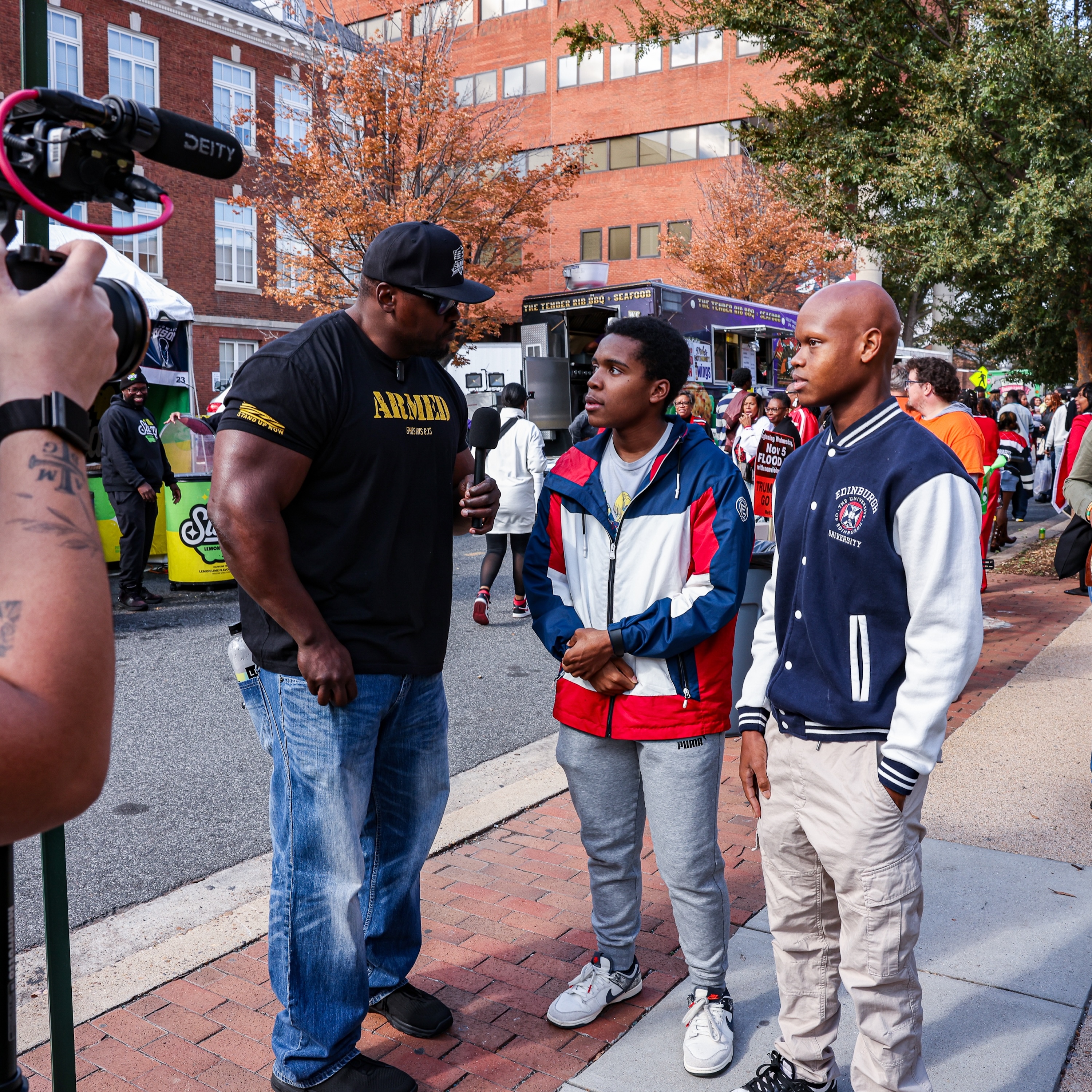
The Washington Post episode examines Blexit — a conservative movement trying to persuade Black Americans, especially younger voters on HBCU campuses, to leave the Democratic Party. Reporters describe Blexit’s origins, tactics (including low-key campus outreach at Howard University during homecoming), mixed student reactions, and how these efforts fit into broader shifts in Black voter behavior observed in 2024.
Key details about Blexit
- Founded around 2019 by Black conservative commentators Candace Owens and Brandon Tatum; message emphasizes economic self-reliance, nuclear family, and rejecting a “victim” narrative.
- In 2023 Blexit aligned closely with Turning Point USA (founded by Charlie Kirk). Note: a line in the transcript claiming Charlie Kirk was “shot and killed” is incorrect — Charlie Kirk is alive.
- Blexit’s site claims roughly 40,000 members.
- According to Blexit’s senior director Pierre Wilson, the group has a presence on 21 college campuses; 17 “unofficial” clubs reportedly formed after tours.
What happened at Howard University
- Context: Howard is a historically Black, heavily liberal university. Blexit visited during homecoming as part of an “Educate to Liberate” tour of HBCUs (also including Hampton and Tennessee State).
- Tactics on campus: Blexit’s representative (Stephen Davis) approached students informally, often without visible branding, asking conversational questions about entrepreneurship, financial literacy, and political unity rather than overtly campaigning. A videographer accompanied him.
- Student response was mixed:
- Opposition: Many students and alumni felt the visit was intrusive and strategically timed to disrupt homecoming; protest group Refuse Fascism showed up with signs and orange shirts demanding Blexit leave.
- Receptive students: Some students had positive exchanges and welcomed discussion of economic independence and entrepreneurship; for a few, the interaction confirmed existing interests rather than directly converting political beliefs.
- Result: Blexit’s on-campus interactions were subtle and conversational; the visit sparked controversy and protest but also generated some local interest in economic topics.
Broader political context and implications
- 2024 shift: Black support for Donald Trump rose from about 8% in 2020 to roughly 15% in 2024 — a notable increase though still a minority.
- Drivers of the shift reported by The Post:
- Economic frustration post-COVID and rising costs: Republican outreach emphasized whether Democrats had delivered on economic improvements for Black communities.
- Perception that Democrats focused heavily on social/DEI issues, which some voters view as divisive or insufficiently focused on economic uplift.
- Active GOP outreach: Republicans made in-person efforts in majority-Black areas and sought to introduce Black voters — especially young people — to conservative ideas and Black Republican figures.
- Durability: Reporters and polling suggest these gains are not guaranteed to be permanent. Some voters who tried Trump expressed later disappointment or skepticism about policy results, so future voting behavior is uncertain.
Notable quotes and framing
- Candace Owens (quoted by Blexit): “It is the black and Latino exit from the lies of a left from the victim narrative…time for us to come together and realize that we are a part of the American picture.”
- Student reaction: “They’re trying to divide us… They’re trying to make a stand on absolutely nothing,” (expression of feeling unsettled by Blexit appearing at Howard’s homecoming).
- Blexit’s approach (as reported): low-key conversation starters focused on entrepreneurship and financial literacy rather than immediate partisan labels.
Main takeaways
- Blexit is explicitly targeting young Black voters on college campuses with a message centered on economic independence and rejection of a “victim” narrative; they have created some campus footholds.
- The Howard visit illustrated how outreach can be both polarizing and conversational: protests and pushback coexisted with students who welcomed discussions about entrepreneurship.
- The 2024 increase in Black support for Trump shows an opening Republicans are trying to exploit, but the shift remains limited and may not be durable without policy results that voters perceive as improved material outcomes.
- Young Black voters are a specific GOP target because they may have weaker historical ties to the Democratic Party — outreach alone, even if controversial, can start conversations that did not occur widely before.
What to watch next
- Whether Blexit/Turning Point-style campus groups persist and formalize chapters at HBCUs beyond initial tours.
- Post-2024 polling of Black voters on satisfaction with Trump-era governance and whether any early shifts persist into midterms and 2026.
- Local organizing and policy outcomes (economic measures, jobs, cost-of-living) that might cement or reverse any short-term political realignment.
Produced by The Washington Post (Post Reports). Reporters featured: Samantha Sherry (features) and Sabrina Rodriguez (national politics).