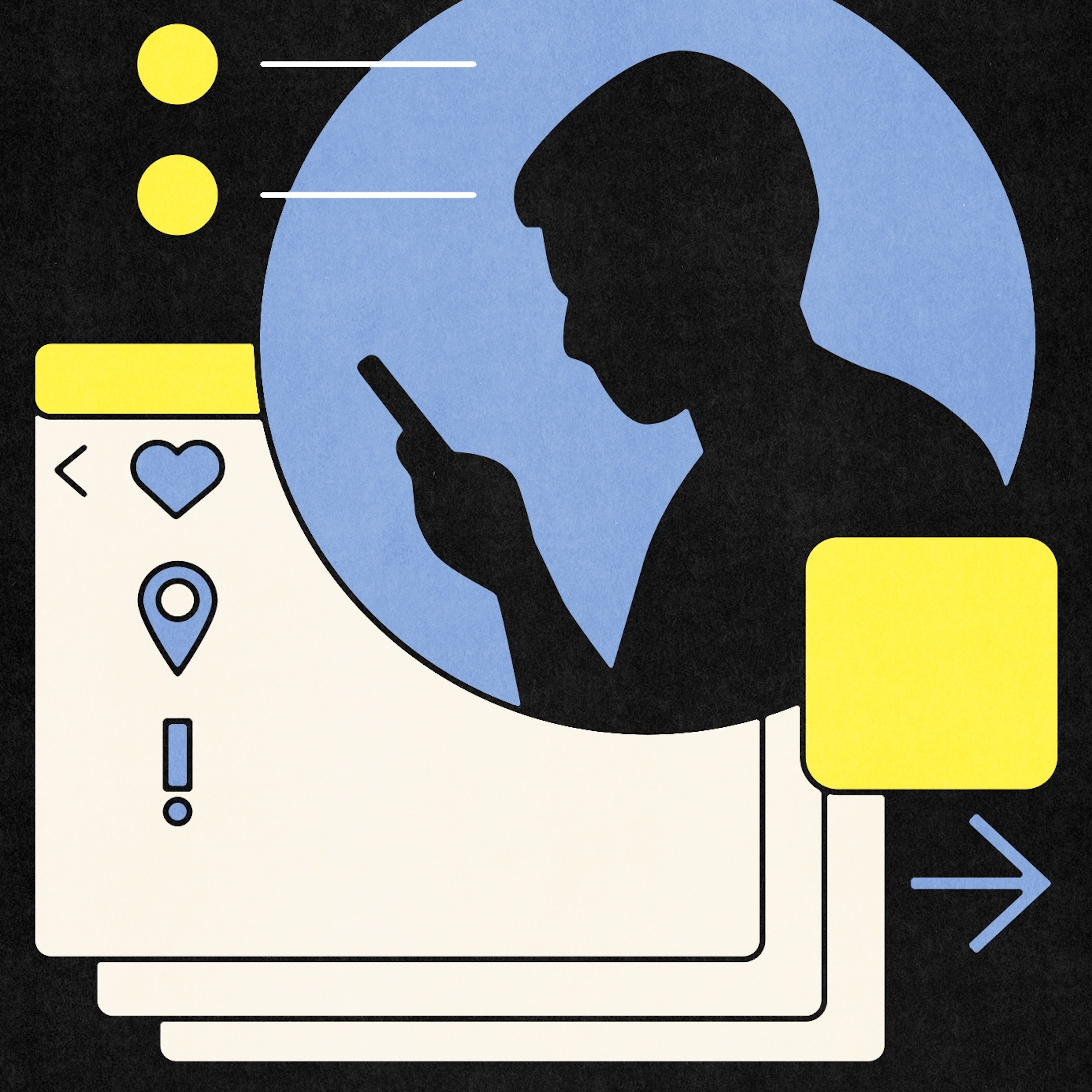
Overview of Post Reports episode: "Strangers showed us their Notes app. Here's what we learned."
This Washington Post Post Reports episode (hosts Kolbe Ekowitz and Elahe Azadi) explores what people keep in their smartphone Notes apps and what those private snippets reveal about daily life, relationships, creativity and memory. Elahe asked strangers in Washington, D.C., to show her their Notes; many obliged. The episode mixes anecdotes (packing lists, coffee orders, cancer journals, joke premises) with reflections about privacy, intentionality and the archival future of digital notes.
How the reporting was done
- Method: Elahe Azadi approached people in D.C., called some sources, and asked to see their Notes app; many allowed her to read or scroll.
- Voices featured: Sasha Taskier (coffee orders), Christopher Davis (church note next to coffee order), Olivia Norman (breast cancer journal), Michael Lussier (per-friend notes), Elena Torres (comedian), plus hosts’ own Notes examples.
Main takeaways
- Notes app is a blunt, ubiquitous “blank canvas” people use for ephemeral and intimate things alike—grocery lists sit beside first drafts, medical logs, passwords and song lyrics.
- Small items (coffee orders, packing lists) can reveal personality, caregiving habits and daily rhythms.
- People use Notes for privacy: to document health crises or feelings without broadcasting them on social media.
- Notes are a common place for first drafts—songs, jokes, texts or tough conversations are often composed there.
- Some people use Notes intentionally to manage relationships (a dedicated note per friend with birthdays, milestones, follow-ups).
- There’s a cultural and archival issue: digital notes can be ephemeral or deleted, raising questions about what future historians will be able to access.
Notable examples and anecdotes
- Coffee orders saved for teachers: signals attentiveness and thoughtfulness (Sasha).
- Juxtaposition of the spiritual and mundane: a man’s note with “The Father, the Son, the Holy Spirit” beside a coffee order (Christopher).
- Private cancer documentation: one woman used Notes as a private chemo diary to preserve what it felt like and to have a factual record (Olivia).
- Friend-management system: one man keeps ~46 notes—one per friend—with birthdays, milestone dates and conversation follow-ups (Michael).
- Comedic shorthand: a comedian’s cryptic note (“10 to 12 deep”) that once sparked a joke idea but became indecipherable later (Elena).
Surprising discoveries
- Willingness: Many strangers were comfortable letting a reporter see their private notes.
- Range: Notes contain both the banal (grocery lists) and the deeply intimate (illness logs, drafts of unsent texts).
- Intentionality: Some people use Notes to be more present—by externalizing details so they can focus in person.
Concerns and cultural implications
- Ephemerality: Digital notes may be deleted or lost (old emails, texts), unlike physical diaries that can survive as historical primary sources.
- Privacy vs. convenience: People store sensitive items (passwords, health details) in an app not always designed for secure, long-term archiving.
- Loss of tactile nostalgia: physical diaries have material traces (wear, locks) that digital notes lack, affecting how we remember and how future generations will study daily life.
Practical tips and recommendations (actions listeners can adopt)
- Use one note per person to track birthdays, topics to follow up on, and important life events to make interactions more meaningful.
- Keep medical and appointment notes organized (date, symptoms, meds, clinician instructions) for better recall and records.
- Draft difficult conversations or unsent texts in Notes to rehearse language and tone before communicating.
- Back up or export important notes (e.g., family messages, first drafts, health records) to avoid accidental deletion and preserve them for the future.
- Consider security: store passwords in a dedicated, encrypted password manager rather than plain notes.
Notable quotes
- “Notes app is the blank canvas where you write what is on your mind…things too private to post on social media.” — Elahe Azadi (paraphrased)
- “Grief brings you back to your love of life.” — line saved by one host after a meaningful conversation.
- “I want to preserve and know what it felt like walking in that door.” — Olivia, on documenting chemo in Notes.
Bottom line
The Notes app functions as a private ledger of contemporary life—mundane logistics, creative sparks, emotional records and relationship tracking all live side-by-side. That intimacy makes it revealing, useful and vulnerable: valuable for personal organization and reflection, but also raising questions about privacy, longevity and how our everyday lives will be remembered.