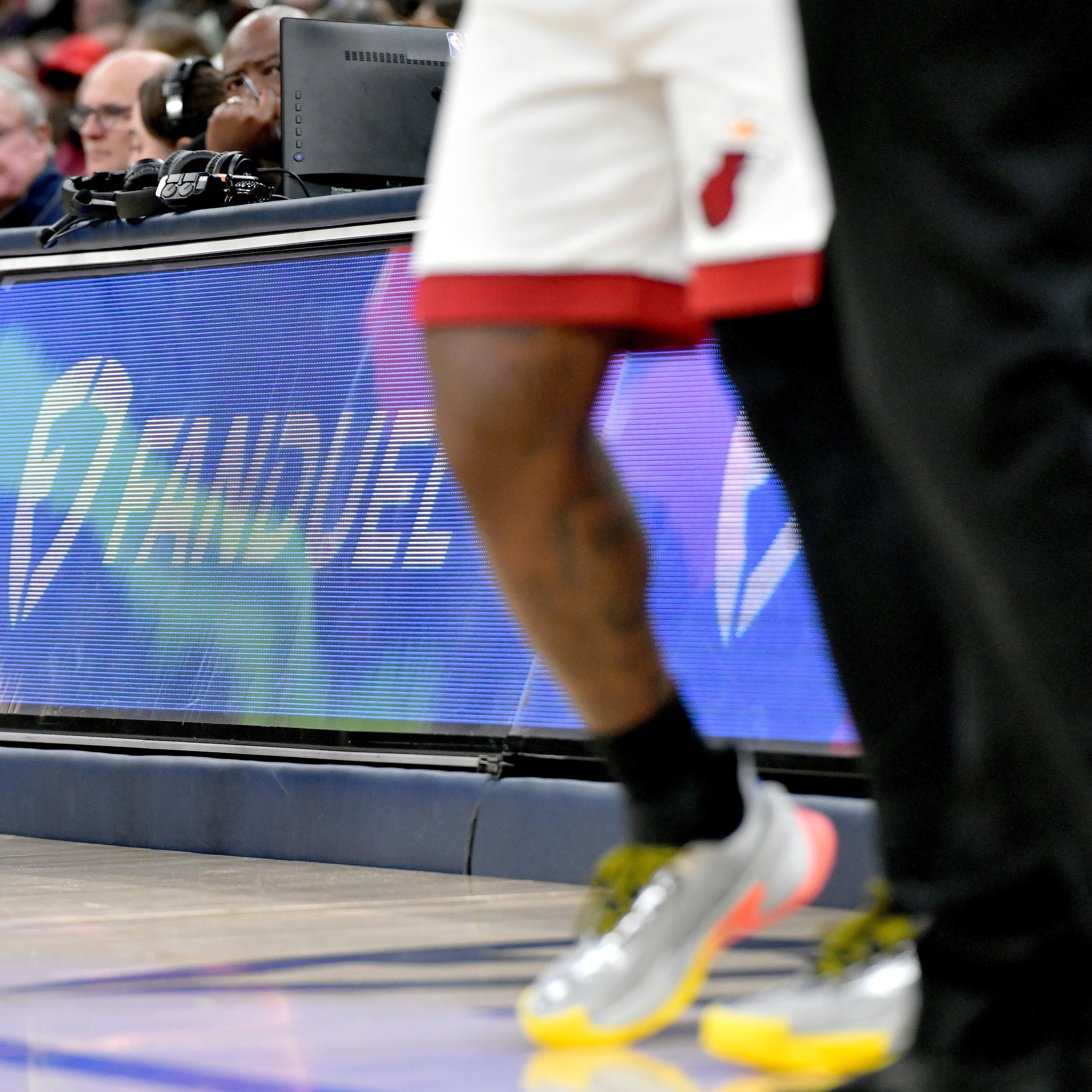
Overview of Post Reports — Is the gambling explosion ruining sports?
This Post Reports episode (host Elahe Izadi, Nov. 17) features Washington Post sports reporter Rick Maese explaining how legal sports betting exploded after the 2018 Supreme Court decision, how modern betting (especially live/prop bets) works, why the industry’s growth is fueling fresh integrity and public‑health concerns, and what high‑profile recent scandals reveal about risks and possible fixes.
How modern sports betting works
- The market shifted from illegal bookies to smartphone sportsbooks (DraftKings, FanDuel, Caesars, MGM, etc.), enabling instant, in‑game wagers.
- Live betting and “micro” or prop bets let people wager on hundreds of outcomes during one game (Maese cites 500–800 betting options in a single football game).
- Examples of prop bets: next play outcome, first pitch being a ball, coin toss, Gatorade color, anthem length.
- Apps require registration, age and location checks; states set regulations and require operators to offer addiction resources/helplines.
Industry scale and drivers
- After the 2018 Supreme Court ruling that let states legalize sports betting, the industry rapidly expanded.
- Recent figures: about $150 billion wagered in one year; sportsbooks captured roughly $14 billion revenue; the sector has been growing at ~20% year‑over‑year.
- Legalization led leagues to partner with sportsbooks (revenue sharing), even though they previously opposed gambling.
High‑profile scandals discussed
- NBA investigations (FBI): cases include alleged insider‑information sharing and a separate mob‑run rigged poker operation.
- Terry Rozier (Miami Heat) was indicted; prosecutors allege he signaled he would leave games early so bettors could wager accordingly. Rozier pleads not guilty.
- Chauncey Billups (Portland Trail Blazers head coach, former player) appears in filings: not charged in the betting indictment but was arrested related to an allegedly rigged poker ring. He denies wrongdoing and is fighting charges; he’s on leave.
- MLB case: Cleveland Guardians pitchers Emmanuel Clase and Luis Ortiz were indicted for allegedly throwing pitches (e.g., intentionally throwing a ball) to cash “micro” bets on single‑pitch outcomes. Both pleaded not guilty.
- These incidents show the new focus on very small in‑game events rather than only game outcomes.
Main risks and harms
- Integrity concerns: prop/micro bets create new vectors for corruption (small actions, like a single pitch or sitting a player, can be monetized).
- Public‑health/addiction: wider accessibility and gamification have increased problem gambling; many advocates treat it as a public‑health issue comparable to substance abuse.
- Player safety & wellbeing: athletes face harassment, threats, and aggressive messages (DMs, payment requests) from bettors who lose money.
- Vulnerable actors: lower‑paid athletes (college players, fringe/pro‑development players, lower‑tier tennis players) are more susceptible to inducements because they earn far less than top pros.
- Fringe sports and lower‑level competitions may be especially exposed to match‑fixing.
What leagues, sportsbooks, and regulators are doing
- Leagues now accept revenue from sportsbooks but also say they’re rethinking rules and protections to maintain integrity.
- Monitoring: leagues and independent third‑party auditors track betting patterns and flag unusual activity (these systems helped detect recent cases).
- MLB measure: agreed with sportsbook partners to cap some prop bets at $200 to reduce the incentive and scale of suspicious wagers.
- Lawmakers: the Senate Commerce Committee has opened probes and sent letters to leagues; a uniform federal framework has been discussed but not enacted — regulation remains a patchwork of state rules.
Key takeaways
- Legalization brought transparency and monitoring tools that can uncover suspicious betting, but it also dramatically expanded opportunity and incentive for corruption via micro/proposition bets.
- The industry has added engagement for fans but increased addiction risks and created new pressure points on athletes.
- Incremental fixes (bet caps, improved monitoring, addiction resources) are being tried; bigger questions remain about national regulation and stronger protections for vulnerable athletes and fringe sports.
- The future depends on balancing revenue interests with robust integrity safeguards; Maese’s view: sports aren’t ruined yet, but the situation is worrisome and needs attentive policy and industry responses.
Action items / recommendations implied by reporting
- Expand and standardize monitoring and data sharing between leagues, sportsbooks, and law enforcement.
- Consider limits on high‑risk micro/prop markets (like MLB’s $200 cap) across leagues and states.
- Strengthen addiction prevention and treatment funding tied to sportsbook licensing.
- Protect vulnerable athletes with education, financial supports, and clearer anti‑corruption enforcement.
- Explore federal or multistate regulatory frameworks to reduce the current patchwork of rules.