Overview of Is Minneapolis a turning point in Trump's presidency?
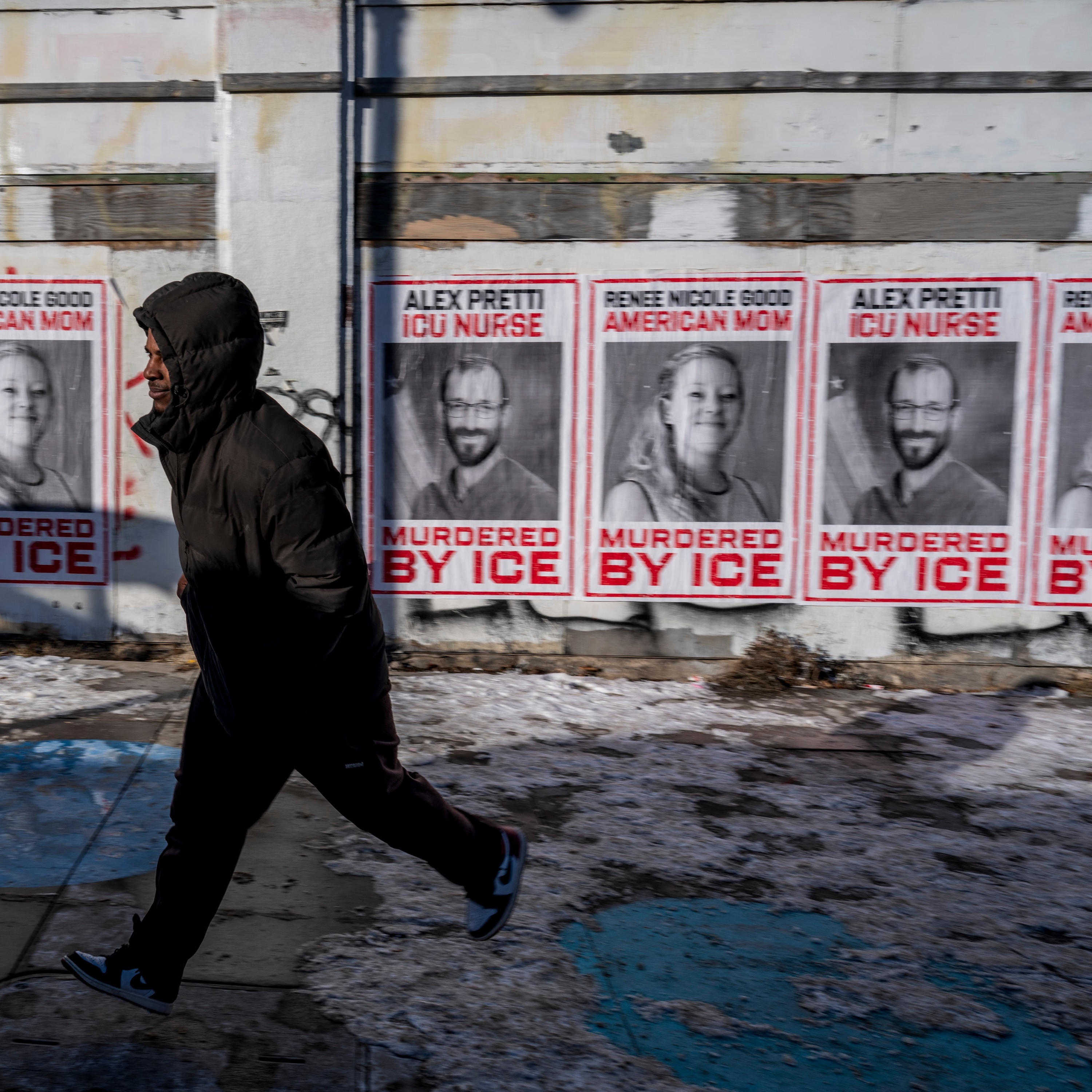
This Washington Post Post Reports politics roundtable (host Colby Echowitz; aired Jan 30) examines the political fallout from the killing of Alex Práddy (transcript spells Preddy/Preddy variations) in Minneapolis by federal immigration agents, the Trump administration’s response, Republican pushback, Democratic strategies in Congress, and the broader implications for the 2024-2026 political landscape.
Participants & context
- Host: Colby Echowitz (The Washington Post)
- Guests: Dan Merica (co-anchor, The Early Brief) and Naftali Ben-David (senior national politics reporter)
- Trigger event: Fatal shooting of Alex Práddy by federal law‑enforcement agents in Minneapolis; viral multi-angle videos and subsequent reporting contradicted initial administration claims.
- Time-sensitive pressure point: Congressional funding vote for Homeland Security (deadline referenced as midnight Friday in the episode).
Key takeaways
- The administration’s early narrative—labeling Práddy a domestic terrorist and emphasizing that he had a gun—was undermined by video evidence and reporting, producing unusually broad criticism from Republicans as well as Democrats.
- That intra‑party Republican pushback signals a potential inflection point in the dynamics of Trump’s presidency: GOP unanimity behind the administration is weaker than typical.
- Trump faces a strategic dilemma: keep energizing a base motivated by immigration hardline policies, or avoid alienating swing/independent voters who prioritized the economy in 2024.
- Messaging around the victim’s possession of a gun created friction with gun‑rights supporters and raised hypocrisy comparisons (e.g., Kyle Rittenhouse), further complicating Republican messaging.
- Democrats plan to leverage a Homeland Security funding bill to demand reforms (warrants, coordination with local authorities, uniform conduct code, body cams, no masks) and may be willing to risk a shutdown to force changes and define midterm messaging around “restraint” and checks on the administration.
- The episode highlights rising political violence and threats to elected officials, illustrated by the syringe/acid‑spray incident at Rep. Ilhan Omar’s town hall and the broader overheated rhetoric across both parties.
Topics discussed
- The Minneapolis shooting and how video evidence changed public/political narratives.
- Republican internal dissent: examples of senators and conservative constituencies publicly criticizing White House handling.
- White House response dynamics: personnel moves (Tom Homan dispatched; Greg Bovino pulled) and mixed messages about drawdowns and tactics.
- Kristi Noem and Stephen Miller: political vulnerability and whether the White House will discipline or fire senior officials.
- Gun politics: conservative backlash to administration’s framing that Práddy “brought a gun,” and the tension with longstanding Second Amendment orthodoxy.
- Congressional strategy: Democrats using funding leverage to force DHS/ICE reforms, possible government funding showdown, and what they might realistically extract.
- Electoral implications: effects on vulnerable Senate races (Susan Collins, North Carolina, Maine), prospects for the House and Senate in midterms, and how imagery from enforcement operations could sway voters.
- Political violence, safety of public officials, and the chilling effect on civic engagement and candidate recruitment.
- Broader cultural resonance—nonpolitical spaces (sports podcasts, new Springsteen song mentioning “King Trump”) reflecting how pervasive the Minnesota story became.
Notable quotes & insights
- The incident “reflects a potentially significant shift in the dynamics of the Trump presidency” — Naftali Ben‑David (on GOP breaking from automatic unity).
- “He responds to the last person who speaks with him.” — characterization of Trump’s mercurial decision style.
- “Both sides are at a boiling point of rage.” — observation on the current overheated political climate and rhetoric.
- Democrats’ central midterm message: the country is “out of control” and needs checks on the administration, not necessarily a competing immigration blueprint.
Political implications & analysis
- Short term: Increased Republican defections and conservative constituency pushback (gun advocates, some GOP senators) could force tactical shifts—pullbacks in some states, altered enforcement posture, and personnel reassignments.
- Congressional leverage: Democrats have a rare moment of leverage over DHS funding; they may extract technical reforms but are unlikely to achieve a sweeping policy overhaul. Even partial wins can be spun politically heading into midterms.
- Electoral map: Images from enforcement operations may hurt Republicans in swing states/senate toss‑ups; examples cited include Maine (Susan Collins) and North Carolina.
- Long term: The episode may accelerate debates within both parties about tone, candidate recruitment, and campaign strategy. It also raises questions about whether politics will de‑escalate or Democrats will adopt Trumplike rhetorical tactics to compete.
What to watch next
- Outcomes of the Homeland Security funding vote and whether Democrats secure the reforms they demand.
- Any official investigations/hearings into the Minneapolis operation and whether key officials (Kristi Noem, Stephen Miller or DHS leadership) face consequences.
- Polling on public views of ICE/immigration enforcement and whether perceptions of “going too far” persist into the midterms.
- Further Republican public dissent or consolidation behind the White House messaging.
- Additional incidents of political violence or threats to lawmakers and how security/campaign practices change as a result.
- Effects on specific Senate races (Maine, North Carolina) and whether imagery from enforcement operations appears in campaign ads.
Bottom line
The Minneapolis killing and the administration’s handling produced an unusual cross‑cutting political backlash—among Republicans, gun‑rights supporters, and Democrats—that could be an inflection point for the Trump presidency. The coming days and weeks (funding votes, investigations, personnel choices) will determine whether this becomes a lasting shift or a contained episode in an already volatile political era.