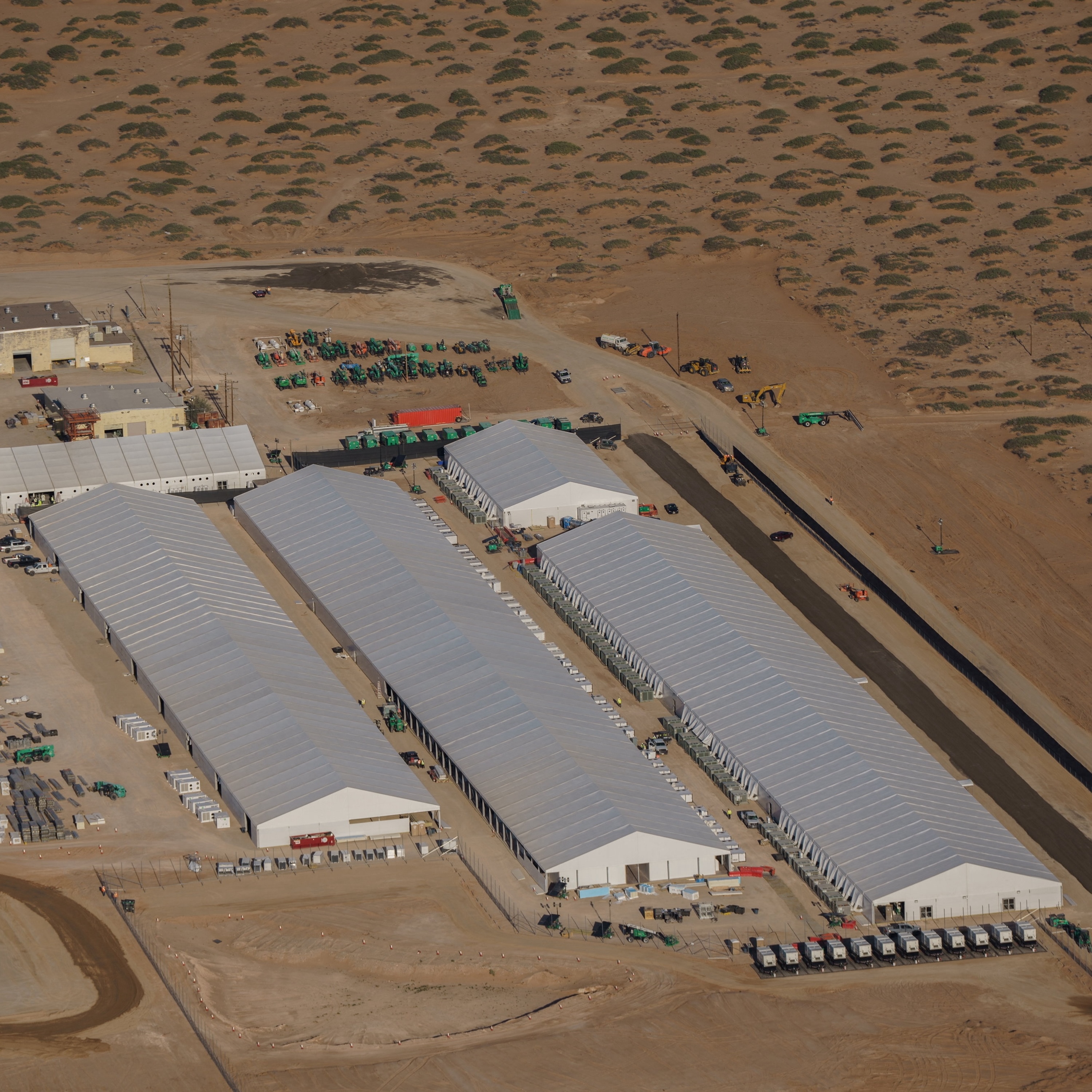
Overview of Post Reports — "A mysterious death inside ICE's largest detention center"
This episode (Jan. 21) from The Washington Post’s Post Reports, reported by Doug McMillan, investigates the death of 55‑year‑old Geraldo Lunas Campos while in U.S. Immigration and Customs Enforcement (ICE) custody at Camp East Montana, the large tent detention complex at Fort Bliss in El Paso, Texas. The story contrasts witness accounts, ICE/DHS statements, and preliminary medical‑examiner findings to highlight questions about what happened, the lack of transparency inside expanded ICE detention facilities, and broader concerns about rising deaths in custody.
Key points / main takeaways
- Geraldo Lunas Campos (age 55) died while detained at Camp East Montana in El Paso after being transferred there in September; ICE initially provided only minimal details.
- The El Paso medical examiner listed the preliminary cause of death as “asphyxia due to neck and chest compression” and indicated the likely manner of death would be recorded as homicide.
- A detainee witness (Santos Flores) recounted seeing guards restrain and choke Lunas Campos after he asked for medication; Flores says Campos cried out “No puedo respirar.”
- ICE/DHS released a conflicting account, saying Campos attempted suicide, violently resisted staff, and died after a struggle during which staff intervened to save him.
- ICE emphasized Campos’ criminal record (including prior convictions) in public statements; family members and supporters argue detention is supposed to be non‑punitive and demand accountability.
- Camp East Montana is a sprawling temporary tent facility opened in 2019–2020, designed to hold thousands of migrants; multiple reports and ICE inspections have cited violations and poor conditions.
- Deaths in ICE custody have increased recently (at least 30 last year, the highest in two decades), though ICE argues death rates relative to population size have not risen.
- After the article was published, DHS moved to deport at least two men who spoke to the reporter, including the detainee witness — raising concerns about retaliation and witness risk.
Timeline of events (as reported)
- Mid‑1990s: Lunas Campos emigrated from Cuba and later was paroled; subsequent deportation order could not be carried out.
- July (prior year): ICE arrested Lunas Campos in Rochester, NY.
- September: Transferred to Camp East Montana, El Paso.
- Early January: Family notified by ICE that Lunas Campos had died in detention.
- Medical examiner’s preliminary finding: asphyxia due to neck and chest compression; likely manner homicide.
- ICE/DHS public statement: characterized death as an attempted suicide and said staff intervened; Campos “violently resisted” and then stopped breathing.
- Post‑publication: DHS moved to deport some detainees who spoke to the reporter.
Witness account vs. ICE/DHS account
-
Witness (Santos Flores, detained in same segregation unit; account not independently verified):
- Says Lunas Campos was asking for medication and refused to enter segregation.
- Describes a group of at least five guards restraining him, choking him, and Campos crying “I can’t breathe.”
- Other detainees allegedly tried to revive him; Flores alleges treatment came too late.
-
ICE/DHS statement:
- Claims Campos attempted suicide, violently resisted when staff intervened to save him, and stopped breathing during the struggle. EMTs later declared him dead.
- Public messaging emphasized Campos’ criminal convictions.
-
Medical examiner:
- Preliminary cause: asphyxia due to neck and chest compression — commonly indicates oxygen restriction from pressure on neck and chest.
- Anticipated manner: homicide (meaning death due to another person, not necessarily intentional).
Context: Camp East Montana and ICE detention issues
- Camp East Montana (Fort Bliss, El Paso) is a large tent encampment built to expand ICE bed space (opened August; capacity target up to ~5,000; >3,800 detained at time of reporting).
- Detainees and visitors report unsanitary conditions, insufficient medical care, physical abuse by guards, poor food, inadequate shelter from weather, and lack of outdoor recreation.
- ICE inspections and external reporting have cited dozens of federal‑standards violations at the facility.
- Deaths in ICE custody have increased in recent months/years; ICE attributes higher absolute numbers to more detentions but maintains care standards.
Legal, family, and systemic implications
- Family reaction: Jeanette Pagan Lopez (mother of two of Campos’ children) and his daughter disputed the suicide claim and sought answers; Lopez retained counsel to explore civil litigation.
- Transparency concerns: No public cameras, limited reporter and independent access, and constrained detainee phone access hinder oversight and verification.
- Potential witness retaliation: Deportation moves against detainees who spoke to reporters raise concerns about witness protection and intimidation.
- Broader policy questions: The episode raises issues about the human cost of rapid detention expansion, oversight of private/temporary detention sites, and mechanisms for accountability when deaths occur in custody.
Notable quotes / phrasing from the episode
- Medical examiner (preliminary cause): “asphyxia due to neck and chest compression.”
- Witness account: detainee reported hearing Campos cry, “No puedo respirar” (“I cannot breathe”).
- ICE release (about Campos): “his luck has finally run out” (news release language emphasizing criminality).
- Family reaction: Lopez — “they're covering their a***” (expressing belief of a cover‑up).
- Reporter framing: ICE detention “is not meant to be punitive. It's supposed to be a place where the U.S. holds immigrants in a safe and humane way.”
Where to follow next / resources
- The Washington Post: Doug McMillan’s full investigation and follow‑up coverage (search The Washington Post / Post Reports for ongoing updates).
- Public records: court records on Lunas Campos’ convictions; El Paso medical examiner reports (for final cause/manner when released).
- Legal action: family has retained counsel — future civil suits or filings could produce additional documentation and depositions.
Takeaway
The episode highlights a stark conflict between a preliminary medical finding suggesting asphyxia/homicide and ICE’s depiction of the death as a suicide attempt during a struggle. It underscores systemic transparency and oversight problems at newly expanded ICE detention sites, rising death counts in custody, the vulnerability of detainee witnesses, and ongoing family efforts to seek answers and accountability.