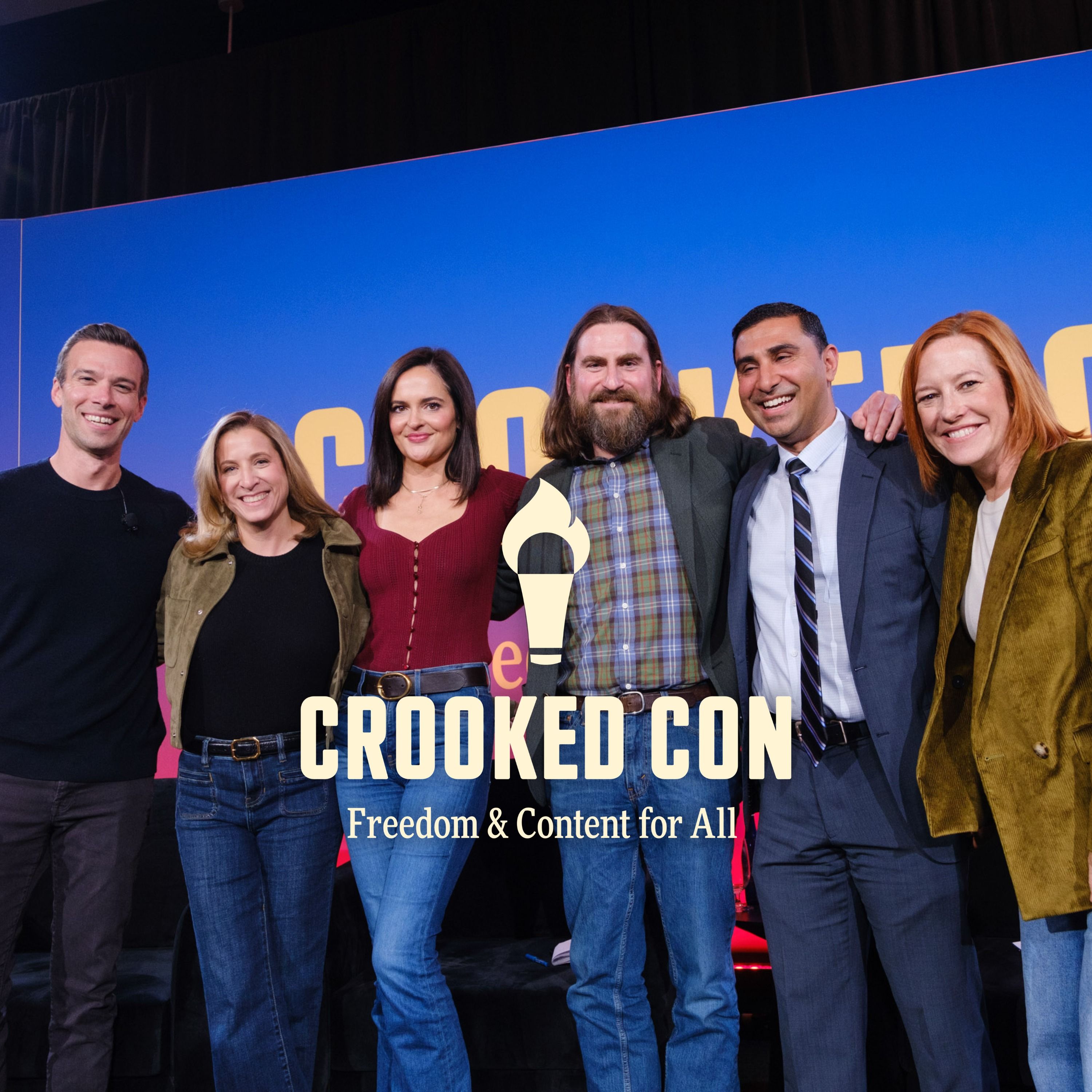
Overview of “What’s the Story We’re Telling? + Sen. Ruben Gallego (Crooked Con)”
This Crooked Media Crooked Con session brings together Democratic strategists and storytellers (Jon Favreau moderating with Jen Psaki, Fez Shakir, Rebecca Katz, Liz Smith, and Adam Jentleson) to debate what narrative the party should run with going into 2026–2028. The panel dissects Tuesday’s wins (e.g., Zoran Mamdani, Mikie Sherrill, Abigail Spanberger), the practical lessons about message and governing, how to communicate accomplishments, how to handle culture-war/immigration fights, and what a compelling affirmative vision should look like. The episode closes with a one-on-one interview with Sen. Ruben Gallego (D‑AZ), focused on lessons from recent races, Latino voters, bold policymaking, and the politics of fighting vs. over‑caution.
Key takeaways
- Affordability is the clearest winning argument right now: campaigns that focused on concrete cost-of-living fixes won. Democrats should center affordability but tailor the specifics to district demographics.
- Big-tent approach: winners came from different wings of the party — that diversity is an asset if candidates authentically represent their communities.
- Voters want concrete, digestible promises (one or two priorities) that can be delivered and explained clearly once in office — “show, don’t just tell.”
- Governing requires tradeoffs: pick priorities early, communicate tangible wins, and use media ecosystems to amplify accomplishments.
- Democrats must be willing to wield power (do enforcement when appropriate), call out corruption and elites, and run on both offense and defense — not shy away from contentious issues like immigration.
- Authenticity, clarity, and momentum matter politically: be likable, be honest, and move decisively rather than over‑process or over‑promise.
Panel discussion — main themes and arguments
-
Affordability as a unifying frame
- Campaigns that framed concrete affordability measures (utility emergency, premium subsidy defense, childcare, grocery costs) performed well.
- Panelists argue any Democratic candidate should prioritize cost issues in locally resonant ways rather than a single national script.
-
Big tent vs. centralized message
- Consensus that Democrats must accept a range of styles and messages (urban progressive vs. suburban/center-left) — authenticity is essential.
- Fez Shakir emphasized translating mandate into specific authorities and a first-100-days plan to be held accountable.
-
Governing and communicating wins
- Past mistakes (e.g., “bending the cost curve” messaging on ACA) show the need for simple, human stories and clear, tangible benefits.
- Need for a pro‑Democratic media ecosystem to narrate governing successes and counteract right‑wing media.
-
Naming villains and emphasizing corruption
- Panelists pushed for naming the elites/billionaires and hypocritical behavior (eg, members trading stocks, private jets) to reclaim economic fairness messaging.
-
Immigration and national security
- Practical approach: lead with “secure border” (common ground), then layer humane enforcement and pathways — Democrats can win this argument if framed as public safety + decency.
- Democrats must be willing to be “enforcers” where appropriate (use government power to enforce rules), rather than avoiding executive authority.
-
Primary pressures, questionnaires, and outside groups
- Concerns that questionnaires and activist pressure can box candidates into positions that hurt general‑election appeal.
- Panelists urged candidates to take ownership of what they believe and accept consequences — but also warned that outside spending/attacks are real in primaries.
-
Vision beyond affordability
- Several panelists articulated bigger themes for the party: rebuilding a sense of community and purpose, confronting inequality and corporate power, preparing for AI disruption, and imagining democratic economic ownership (co‑ops, workers on boards).
Senator Ruben Gallego — highlights
-
Why Democrats won Tuesday:
- Coalition reassembled: working-class voters, Latinos, Black voters, and suburban swing voters rallied around anger at Republican inaction and Trump’s behavior.
- Latino voters swung back over affordability and backlash to racialized enforcement tactics.
-
Messaging & policy lessons:
- Talk about stability and the “good life” (time with kids, vacation, home ownership) — not only survival.
- Pick fights with clear villains (big corporations, mergers that raise grocery prices) and be willing to be bold even if imperfect (examples of Trump making rapid populist moves).
- Be willing to try unconventional outreach (Gallego’s lowrider shows, pickleball events) — don’t be constrained by D.C. orthodoxy.
-
Governing urgency:
- Fight the shutdown because the real pain is doubling health‑insurance premiums and lost coverage — people remember who failed them at moments of need.
- Momentum and decisive leadership matter (invoking Pelosi’s “leadership in motion” and the need to avoid paralysis).
-
Military/politicization:
- Militarizing domestic politics (National Guard raids, Insurrection Act threats) undermines the military’s apolitical role and will have long electoral and institutional consequences.
-
Simple, practical political advice:
- Keep it simple, be likable and authentic, and do popular, trust-building things that deliver for voters.
Notable quotes and soundbites
- “People can smell bullshit.” — on authenticity and grounded messaging.
- “We’re a Big Tent party.” — acceptance of diverse Democratic styles and coalitions.
- “Don’t be afraid to make a mistake. Be bold.” — argument for audacity over over‑processing.
- “Momentum wins the day. Indecision gets you killed.” — on governing and legislative strategy.
- “Be likable. And if you’re a nerd, be the nerd.” — Gallego on authenticity as political strength.
Concrete policy, messaging and tactical recommendations (action items)
For candidates and party leaders:
- Run on affordability as the headline; localize specifics: utilities, childcare, healthcare premiums, groceries, transportation costs.
- Pick 1–2 deliverables for first 100 days or first term (e.g., utility emergency measures, premium subsidies defense, targeted childcare expansion) and communicate them in plain language.
- Name villains when appropriate: corporate consolidation, corrupt enrichment by officials (stock trading), tax avoidance (private jets/yachts).
- Use “secure border” as an opening line on immigration, then build humane enforcement + pathways; reclaim public-safety messaging.
- Be willing to wield government enforcement and oversight (antitrust, labor enforcement) to show competence and backbone.
- Avoid being boxed by outside questionnaires; stand on explicit principles, but be mindful of primary realities (outside spending/attacks).
- Invest in a pro‑Democratic storytelling ecosystem (media, podcasts, local narratives) to amplify governing wins and counter disinformation.
- Emphasize authenticity: candidates should lean into their biographies, show family, empathy, and earnestness.
Topics covered
- Election takeaways from recent wins (Mamdani, Sherrill, Spanberger)
- Affordability and cost-of-living politics
- Crafting narratives vs. slogans and issue lists
- Governing communications (lessons from ACA messaging)
- Political strategy: big tent, momentum, and leadership style
- Immigration messaging and enforcement role
- Role of outside groups, questionnaires, and primaries
- Broader party vision (economic ownership, AI disruption, cultural repair)
- Senator Ruben Gallego: Latino voters, outreach tactics, and urgency on shutdown/health insurance
Implications for 2026–2028
- Short term (2026): Prioritize affordability and localizable deliverables; defend key benefits (health subsidies) and use corruption/naming to sharpen contrast with Republicans.
- Mid/Long term (2028): Democrats need a candidate(s) who can synthesize empathy, competence, anti‑oligarch populism, and a positive civic vision that addresses economic ownership, AI disruption, and social cohesion — while being prepared to fight and govern effectively.
If you want a one-sentence summary: run on concrete affordability, tailor the message to communities, be bold and accountable in governing, and tell a coherent story that combines empathy, competence, and a fight against concentrated power.