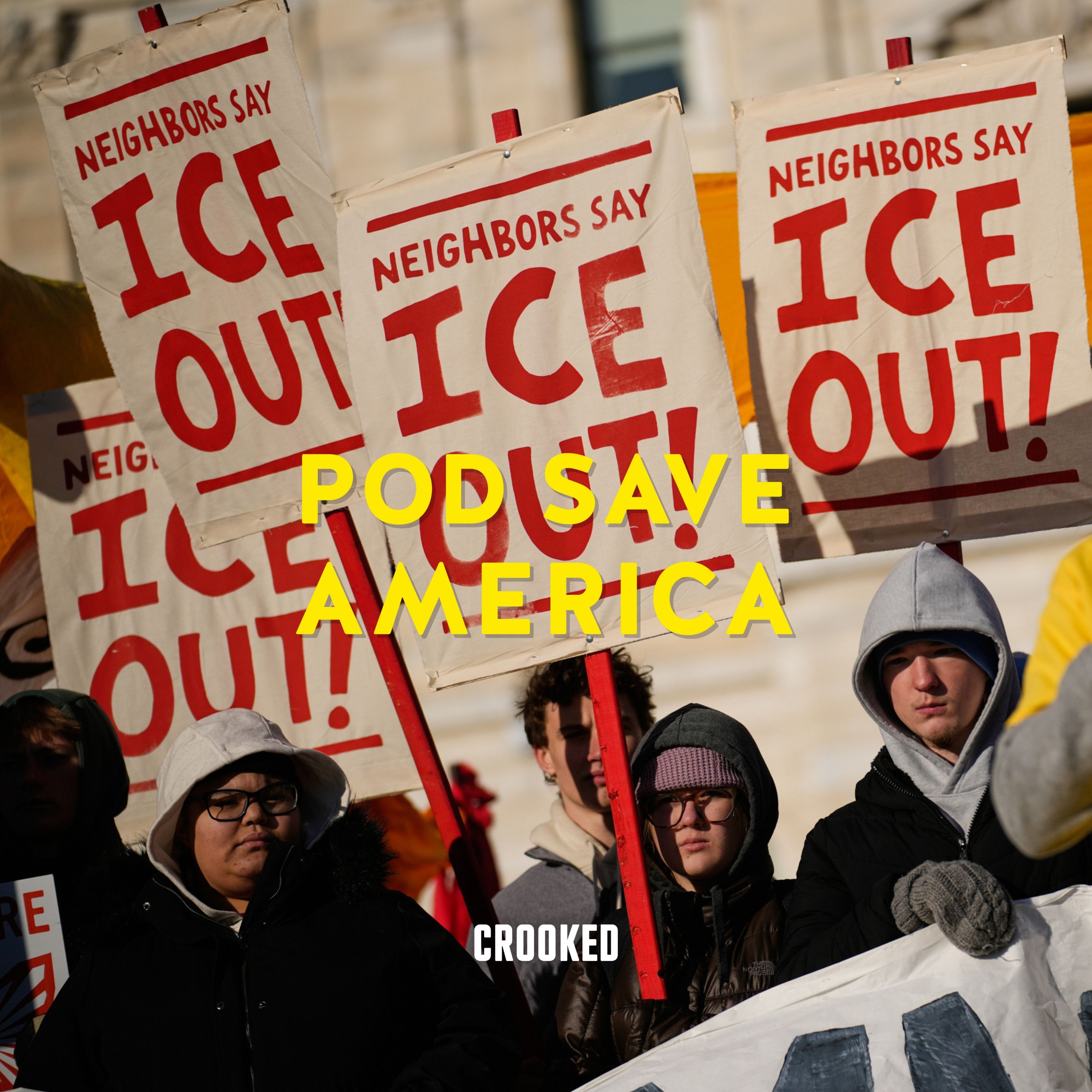
Overview of What It Would Take to Rein in ICE (Pod Save America)
This Pod Save America episode (host Alex Wagner) examines the federal response and legal fallout after an ICE officer shot and killed Renee Nicole Good in Minneapolis. The episode unpacks the administration’s rhetoric (including threats to invoke the Insurrection Act), the DOJ’s controversial decision to probe Good’s widow instead of the officer, mass federal deployments in Minnesota, and the practical and legal tools available to push back. Guest Leah Littman (law professor and host of Strict Scrutiny) explains the legal framework, accountability gaps, and concrete steps citizens and institutions can take.
Guests and context
- Host: Alex Wagner (Pod Save America)
- Guest expert: Leah Littman — University of Michigan Law professor, host of Strict Scrutiny, author of Lawless
- Central events: ICE killing of Renee Nicole Good; federal surge (ICE, CBP, HSI) in Minnesota; violent encounters with protesters and civilians; White House/DHS rhetoric labeling Good a “domestic terrorist”; DOJ opening an investigation into Good’s widow; six career prosecutors resigning from the U.S. Attorney’s Office in Minnesota.
Key legal concepts explained
Insurrection Act and Posse Comitatus
- Posse Comitatus: generally prohibits the federal military from performing ordinary law enforcement.
- Insurrection Act: a statutory exception allowing the president to deploy military forces for law enforcement purposes in limited circumstances (historically used when state authorities are unable or unwilling to stop private violence, e.g., civil rights-era interventions).
- Practical risk: invoking the Insurrection Act would permit use of military forces not trained for routine policing and could escalate violence. Courts may be able to review a president’s determination, but the scope and deference are uncertain.
Standing to challenge federal deployments
- Potential plaintiffs: the state (Minnesota), local governments, school districts, affected businesses, and private individuals or organizations harmed by deployments or disruptions (e.g., school closures).
- Standing arguments include concrete injuries: closures, strained public services, safety harms, obstruction of state law enforcement.
Bivens gap and suing federal officers
- Section 1983 (post–Reconstruction) allows suing state/local officers for constitutional violations; there is no analogous statutory cause of action for federal officers.
- Bivens (Supreme Court precedent) historically permitted damages suits against federal officers in limited circumstances, but the current Court has drastically narrowed Bivens—making it hard to sue federal agents for constitutional torts.
- Practical fix: Congress could amend federal law (e.g., extend §1983 or pass a “Renee Good Civil Rights Act”) to explicitly authorize suits against federal officers.
Qualified immunity and policy violations
- Violations of explicit agency policies (e.g., banned chokeholds) can be persuasive evidence to overcome qualified immunity, but overcoming immunity remains difficult in many federal-officer suits.
- Video evidence and internal policy breaches strengthen civil claims but don’t guarantee relief given doctrinal barriers.
What’s happening to the criminal and administrative investigations
- DOJ shifted investigatory control to federal agencies (FBI taking lead) and reportedly prioritized investigating the victim’s widow—triggering six career prosecutors to resign, including the acting U.S. attorney for Minnesota.
- Excluding local/state police from investigations is unusual and likely undermines both the thoroughness and public credibility of the inquiry.
- The resignations may slow or weaken prosecutions the administration pursues and could be used as evidence of wrongdoing or politicization in future litigation.
Practical levers for accountability and resistance
Short-term, on-the-ground actions:
- Record: “If you see ICE agents, hit record.” Video can document abuses, help criminal/civil cases, and build public record for future accountability mechanisms.
- Community support: neighborhood patrols, churches and nonprofits delivering services, offering rides to school, mutual-aid networks to protect vulnerable people.
- Businesses: require judicial warrants before allowing officers onto private premises; refuse service or entry to slow/enforce compliance; publicize refusals to deter aggressive tactics.
Political and legal remedies:
- Contact representatives: demand congressional oversight, hearings, or funding restrictions targeting abusive ICE practices.
- Push Congress to pass legislative fixes: authorize civil suits against federal officers (Bivens fix); abolish or reform qualified immunity for federal immigration enforcement.
- Support independent investigations and press coverage; vote and organize to change institutional control (longer-term remedy).
Institutional/strategic levers:
- Congress: enforce oversight power—inspections of detention centers, funding conditions, and public hearings.
- Courts: district courts have been effective in checking executive overreach, but appellate and Supreme Court shifts have limited remedies; litigation is still important even if imperfect.
- Public pressure and reputational consequences (public shaming) can affect recruitment and morale among officers.
Main takeaways and implications
- The legal tools to rein in ICE exist but are constrained:
- The Insurrection Act could be misused to deploy the military for domestic policing—legal review is possible but contested.
- Suing federal officers for constitutional violations is severely limited by Supreme Court doctrine (Bivens narrowing).
- Congress can fix major accountability gaps quickly by extending civil remedies to federal officers and reforming qualified immunity—but political will is required.
- Video documentation and community organizing are immediately useful and can preserve evidence for later accountability.
- DOJ politicization (targeting victims’ families, sidelining local law enforcement) both undermines trust and complicates independent fact-finding.
- The courts are a mixed check: district courts have blocked abuses in many instances, but higher-court composition and precedent increasingly constrain remedies.
Notable quotes / soundbites
- Leah Littman: “The Insurrection Act is an exception to Posse Comitatus—practically, it lets the president use the military to do ordinary law enforcement.”
- On lawsuits: “It is Bivens or nothing”—highlighting the current lack of a robust statutory remedy against federal officers.
- Practical advice repeated: “If you see ICE agents, hit record.”
Recommended actions (for listeners)
- Record and preserve video evidence of encounters with federal officers.
- Call your members of Congress and demand:
- A Bivens fix (statutory right to sue federal officers)
- Reforms or abolition of qualified immunity for immigration enforcement
- Stronger oversight and conditional funding for ICE/detention centers
- Support community mutual aid efforts and businesses that refuse to cooperate with illegal or warrantless enforcement.
- Follow and share independent reporting (e.g., ProPublica) and legal analysis (Strict Scrutiny) to maintain public pressure.
Where to learn more
- Leah Littman’s podcast and reporting: Strict Scrutiny
- Crooked Media coverage: Pod Save America, Runaway Country (Alex Wagner)
- Investigative reporting referenced in episode: ProPublica coverage of ICE detention and chokeholds
This summary captures the episode’s legal analysis, the accountability gaps identified, and practical steps listeners can take immediately and legislatively to seek change.