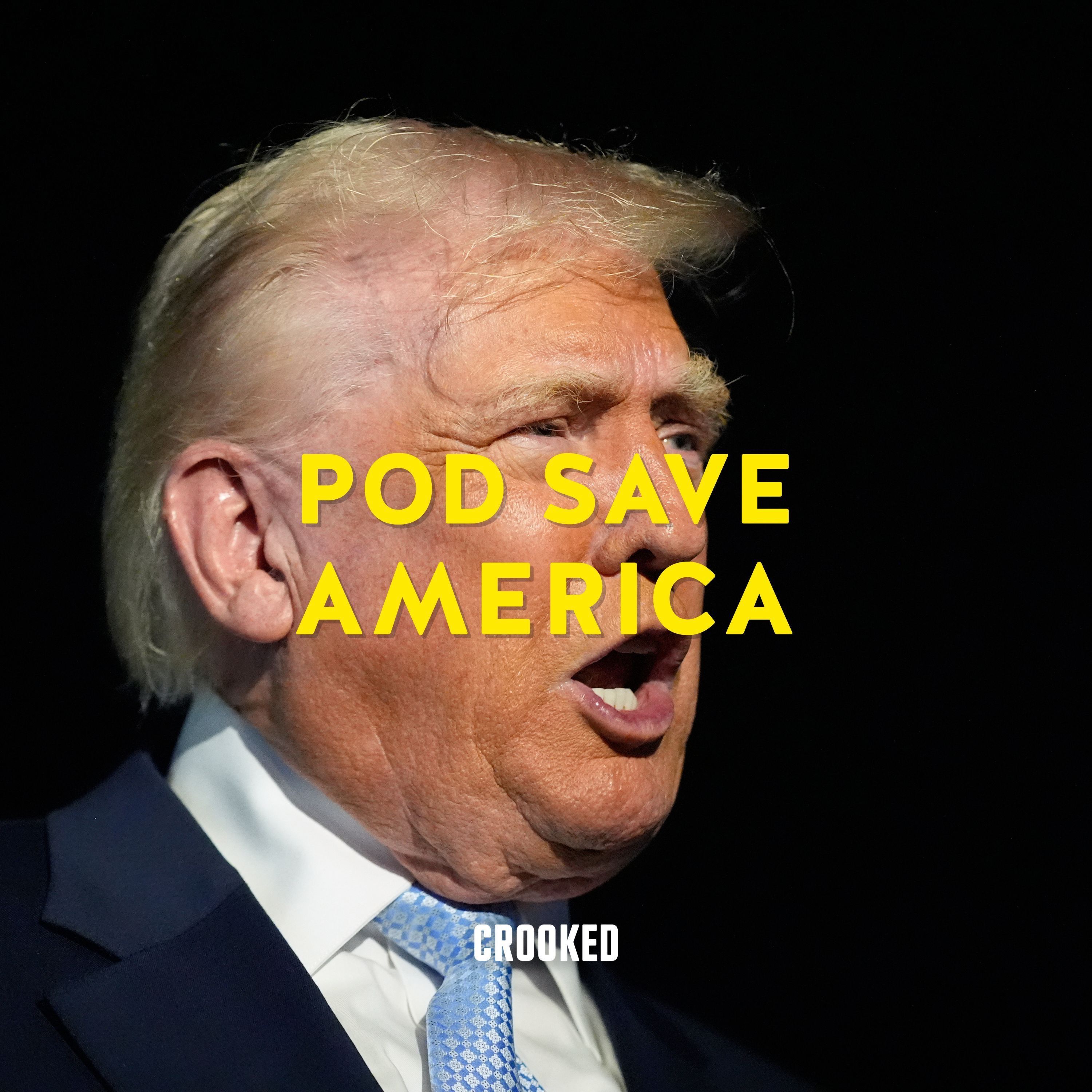
Overview of Pod Save America — "Did Trump Blow It on the Epstein Files?"
This episode of Pod Save America (Crooked Media) focuses on the surprise political drama over the push to release the "Epstein files," Donald Trump's abrupt reversal from opposing to endorsing a House effort to force release, and the fallout inside the GOP (including Marjorie Taylor Greene). The hosts break down the mechanics and politics of the discharge petition that secured 218 signatures, weigh the plausibility of actual document release versus delay or selective withholding by the Justice Department, and situate the story amid broader themes: MAGA infighting, platforming of extremists, the administration’s affordability messaging, healthcare brinksmanship over ACA subsidies, and troubling foreign-policy moves (Venezuela, Saudi relations, Sudan). The episode ends with a substantive interview with Rep. Ro Khanna, a co-sponsor of the discharge petition, on next steps and related foreign-policy concerns.
Key topics covered
- The House discharge petition forcing a vote on releasing Justice Department files related to Jeffrey Epstein (218 signatures secured).
- Donald Trump’s abrupt flip from pressuring Republicans to oppose release to publicly endorsing congressional release.
- Risks that the DOJ or White House will withhold material through claims of ongoing investigations or selective release.
- Marjorie Taylor Greene’s temporary break with Trump, her apology/tone change, and questions about sincerity and political calculus.
- Tucker Carlson’s interview with Nick Fuentes, Trump’s equivocal defense of Carlson’s right to interview whomever he wants, and where GOP leaders (e.g., J.D. Vance) fit into that debate.
- Trump administration messaging on affordability: tariff rollbacks on food items and a proposed “tariff dividend” — plus weak spokespeople performances (Kevin Hassett) and the limits of one-off fixes.
- Republican efforts to replace or rewrite ACA subsidies before they expire January 1, and why last-minute whiteboard plans are dangerous.
- Viral element from the released Epstein emails (the “Bubba/Blowjob” jokes), Mark Epstein’s clarification, and the internet’s reaction.
- Interview with Rep. Ro Khanna covering the discharge petition, concerns about DOJ/administration obstruction, extrajudicial strikes near Venezuela, Saudi arms guarantees/F‑35 talk, and the Sudan/Darfur humanitarian crisis.
Main takeaways
- The discharge petition movement succeeded in forcing a House vote and appears to have enough momentum that a Senate route is possible; Trump’s public endorsement appears tactical and came after Republicans signaled they would break with him.
- Even if Congress forces a vote and the bill becomes law, several realistic ways exist for the executive branch to delay or limit public release (invoking ongoing investigations, selective release, or litigation).
- The Epstein files drive is foregrounded by survivor demands for public accountability, not partisan theater — sponsors (Khanna and Rep. Thomas Massie) repeatedly emphasize survivors’ voices.
- Marjorie Taylor Greene’s recent apology and pivot may be sincere in part, but hosts urge caution: past rhetoric and associations (QAnon, conspiracies, Nick Fuentes ties) mean any “re-boot” needs scrutiny and follow-through.
- Platforming of extremists (Nick Fuentes) remains a live fault line for conservative media and elected Republicans; Trump’s noncommittal, “let people decide” posture continues his pattern of hedging rather than condemning.
- Administration economic fixes (tariff rollbacks, tariff checks/dividends) are limited in scope and may be politically helpful only if paired with credible, sustained policy; last-minute ACA rewrites risk destabilizing insurance markets.
- Foreign-policy moves (strikes near Venezuela, weapons/guarantee talk with Saudi Arabia, UAE arms to Sudan) are generating bipartisan unease and could create large moral and strategic costs.
Notable lines / quotes
- Hosts on Trump flip: “You can either be in front of the horses or under them.” (Explains Republicans choosing where to position themselves politically.)
- Rep. Ro Khanna: “The real heroes of course are the survivors… They want public accountability.”
- Hosts on DOJ/administration behavior: “The Justice Department under Donald Trump is deeply corrupt… who are we to think they’d honor a vote in Congress?”
- On Marjorie Taylor Greene: “We can be open to this, but she has a lot more work to do.”
- On Venezuela strikes: “There is no legal justification… [the strikes] should send chills down the spine of any American.”
Guest segment — Rep. Ro Khanna (summary)
- Khanna explains the discharge-petition strategy with Thomas Massie, describes the coalition-building (including some MAGA members), and credits survivor organizing for momentum.
- He says a House vote was scheduled (recorded Monday; vote planned for Tuesday) and reports discussions with Senators (e.g., Merkley, Murkowski) suggesting Senate movement is possible — a big political win if it passes both chambers.
- Khanna warns the DOJ or the White House could use a new Trump-ordered “investigation” into Democrats as a pretext to withhold release; he calls for transparency and pressuring the President to meet survivors.
- On personal attacks: Khanna condemns Trump’s attack on Rep. Massie’s remarriage as “disgusting,” emphasizing that the coalition deliberately framed the effort as survivor-centered, not a Trump hit.
- Foreign policy: Khanna is strongly critical of extrajudicial strikes at sea near Venezuela, calling them unjustified and warning of the risks of regime-change operations. He opposes more armament/privileged security guarantees to Saudi Arabia, citing human-rights and regional stability concerns. He also urges action to stop UAE escalation in Sudan and supports congressional pressure to prevent further harm.
What could happen next — things to watch
- The House vote on the discharge petition/underlying bill and whether it passes with significant GOP support.
- Whether the Senate will take up the matter quickly and whether Trump signs a law forcing public release — or whether the administration claims “ongoing investigation” to delay/withhold documents.
- Any DOJ actions (selective release, public statement, new “investigation”) or litigation that could keep files sealed.
- GOP intraparty fallout: more defections from Trump or reprisals (endorsement removals, primary challenges).
- Administration moves on affordability (tariff dividend proposals) and the upcoming ACA subsidy decisions; watch for legislative maneuvering or last-minute partisan alternatives that could create market instability.
- Continued reporting and fallout from the Epstein files (names, corroborating documents) and the viral email threads that feed public attention and pressure.
- Foreign-policy developments: additional maritime strikes in the Caribbean, plans regarding Venezuela regime change, Saudi security deals/F-35 sale discussions, and U.S. pressure (or lack thereof) on UAE regarding Sudan.
Quick, practical summary for the reader
- The episode is a deep-dive political explainer: the documentary-style pressure campaign to force release of Epstein-related DOJ materials gained unexpected traction; Trump’s tactical flip doesn’t guarantee actual release; survivors want public accountability; and the episode links this fight into larger fractures within the GOP, failing White House messaging on affordability, dangerous last-minute healthcare proposals, and troubling foreign-policy choices. Rep. Ro Khanna — central to the discharge petition — provides the on-the-record account of next steps and stresses both survivor-centered transparency and congressional oversight on dangerous foreign moves.