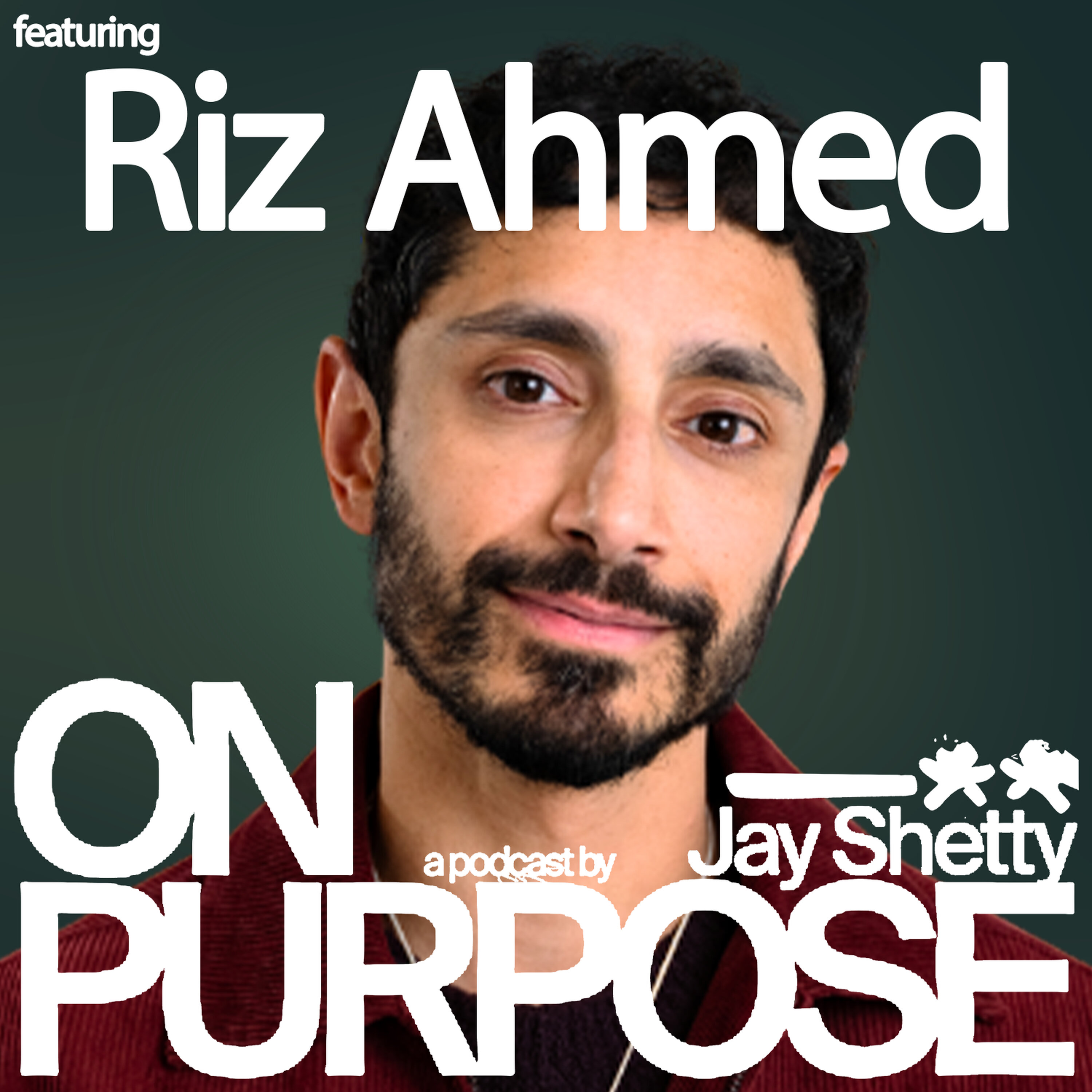
Overview of On Purpose with Jay Shetty featuring Riz Ahmed
In this wide-ranging conversation, Riz Ahmed and Jay Shetty explore identity, shame, validation, creativity, and what real self-worth looks like beyond awards, applause, and public success. The discussion centers on Ahmed’s series Bait and his own life story: growing up code-switching, surviving racism, experiencing a severe health crisis while filming Star Wars, and learning to treat his inner critic as something to understand rather than obey. The episode is both deeply personal and practical, offering a candid look at how to live with more honesty, play, gratitude, and purpose.
Main Themes
1. Validation vs. self-worth
- Ahmed says Bait is inspired by his own journey of seeking external validation.
- He emphasizes that praise, awards, and applause feel good, but they are temporary and don’t nourish the soul.
- The real goal, for him, is learning to receive praise without becoming dependent on it.
2. The “performance” of everyday life
- A central idea in the conversation is that modern life can feel like “one big audition.”
- Jay and Riz connect this to social media, professional identity, and the pressure to appear polished, successful, and desirable.
- Ahmed argues that many people are constantly performing a version of themselves rather than living from a place of ease and authenticity.
3. Shame and the public/private self
- Ahmed shares that the gap between who he is publicly and privately has often been tied to shame.
- He wants to collapse that distance by being more open about vulnerability, confusion, and contradiction.
- Jay frames it as the danger of never leaving the stage—of confusing performance with worth.
4. Flow, play, and forgetting yourself
- Both hosts return repeatedly to the idea that the best parts of life happen when you’re in flow.
- Ahmed says he is chasing the feeling of forgetting himself—in art, conversation, fatherhood, or play.
- He and Jay agree that children naturally model this state through curiosity, wonder, and playfulness.
5. Identity, code-switching, and belonging
- Ahmed reflects on growing up between worlds: school, home, neighborhood, and public life.
- He describes code-switching as a form of performance that shaped his acting and his sense of self.
- Rather than trying to eliminate those contradictions, he wants to bring them together.
Key Personal Stories
Childhood racism and “othering”
- At around age 8, Ahmed and his brother were confronted by skinheads, and a knife was held to his brother’s throat.
- He says this moment made him aware that being different could put him in danger.
- It became foundational to his lifelong journey of identity and vigilance.
Performing for the aunties
- He recalls family gatherings where he was brought out to dance and perform for the aunties.
- The applause and laughter gave him an early sense of affirmation and joyful expression.
- This memory became a metaphor for how praise can be intoxicating but fleeting.
Serious illness during Star Wars
- Ahmed reveals a major, previously private health crisis in 2015, while filming Star Wars.
- He became unable to walk, lost a significant amount of weight, and spent about two and a half months in hospital.
- In that period, he experienced intense fear, prayed for help, and promised to “give” if he was allowed to live.
The body as a reflection of inner war
- He connects his autoimmune illness to the inner critic and self-attack he was living with.
- He believes the body can reflect emotional and psychological distress.
- This experience directly influenced Mogul Mowgli and later Sound of Metal.
Notable Insights
“External markers of achievement don’t really land.”
- Ahmed says awards, applause, and milestones are fleeting.
- What lasts is the sense of offering something honest and letting go.
- He describes the true reward as the process of creating from a vulnerable place.
“The distance between your public and private self is the amount of shame that you carry.”
- This is one of the episode’s most striking ideas.
- Ahmed uses it to explain why Bait focuses on identity, performance, and the pressure to become someone else.
“Categorize yourself not.”
- He shares advice from Idris Elba, who encouraged him not to box himself in.
- Ahmed says this advice helped him see that labels often do the limiting for other people.
“The obstacle is the way”
- He resonates with the idea that your difference may be the very thing that unlocks your path.
- Instead of hiding difficulty, he suggests leaning into the specificity of your experience.
Practical Takeaways
For dealing with the inner critic
- Don’t try to eliminate it completely; learn to recognize when it’s useful and when it’s harmful.
- Aim for balance rather than total suppression or total surrender.
- Notice when criticism becomes self-destruction.
For living more authentically
- Stop trying to meet everyone else’s script.
- Let your “messy,” boring, or ordinary self exist without performing.
- Spend more time with people who make you feel more like yourself.
For reducing distraction
- Ahmed says he wants to be off his phone more and believes constant connectivity keeps people trapped in performance.
- He describes how putting the phone away for hours or days changes his thinking, mood, and sense of time.
- He’d like a world with fewer phones and more presence.
For purpose and prayer
- When he prays, Ahmed asks for:
- health
- the ability to provide with dignity
- closeness to purpose
- He sees purpose as deeply personal and spiritually aligned.
Final Rapid-Fire Answers Worth Noting
- Best advice: “Categorize yourself not.”
- Worst advice: A casting director once told him to be careful with his eyes because he looked like a psychopath.
- Biggest lesson from his wife: Devotion to her path and creativity.
- What he prays for: Health, provision, and purpose.
- Law he’d create: Everyone should be off their phone more.
Bottom Line
This episode is a thoughtful meditation on how to stop living for applause and start living from a place of truth. Riz Ahmed’s story shows how racism, shame, illness, and success can all become raw material for healing and art—if you’re willing to tell the truth about them. The conversation ultimately argues that self-worth comes not from being seen at your best, but from being able to face yourself honestly, stay playful, and let go.