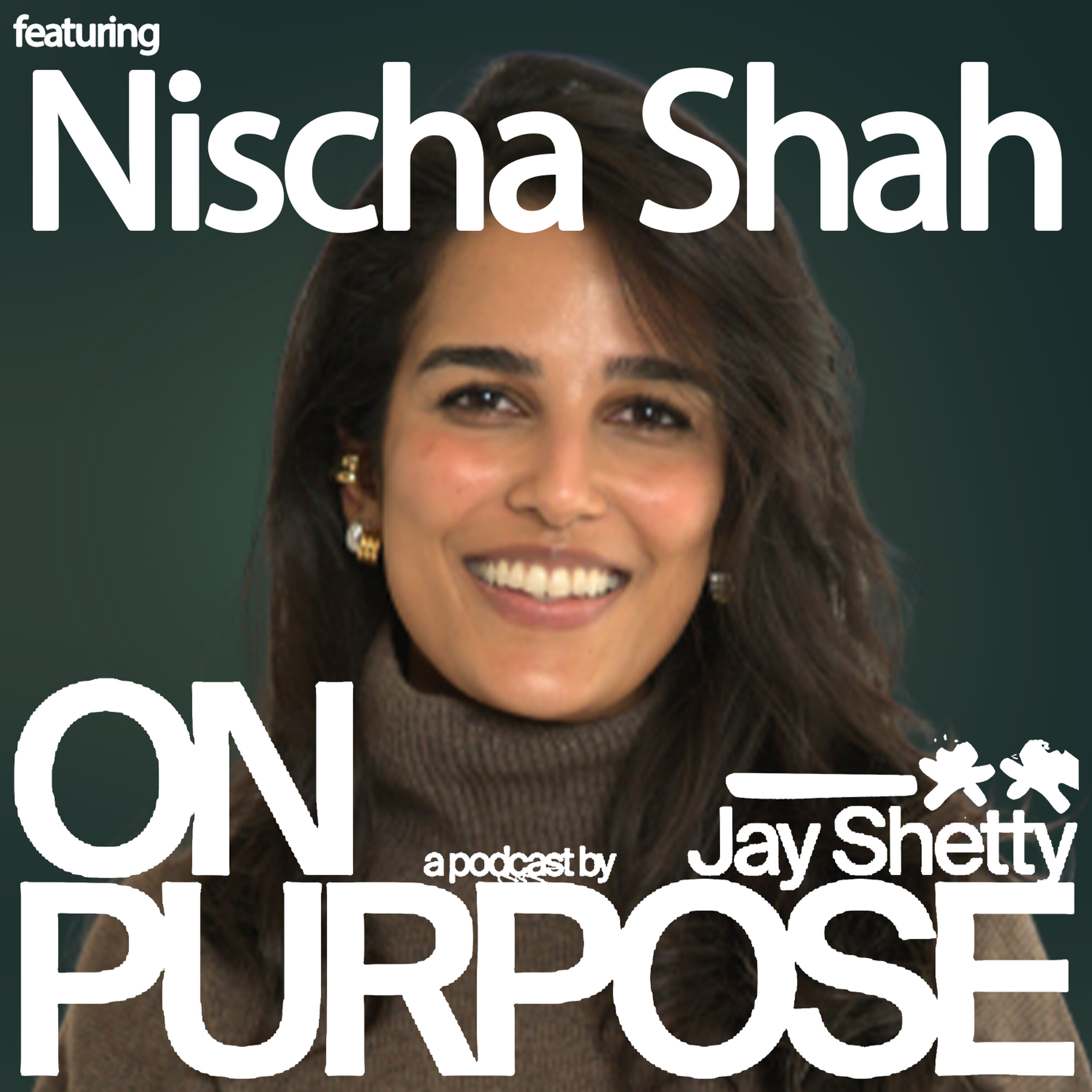
Overview of Nischa Shah: #1 Financial Mistake People Make in Their 20s & 30s (Fix It With This Simple System)
Episode of On Purpose with Jay Shetty featuring Nisha Shah — former investment banker turned personal finance educator. The conversation focuses on common money mistakes in your 20s and 30s, simple systems to fix them, emotional/psychological drivers behind financial behaviour, and practical steps to build financial freedom without quitting your job overnight.
Key takeaways
- The biggest money mistake: avoiding your finances. Ignoring accounts and statements compounds bad habits early and makes change harder later.
- Build financial runway first — small, achievable cushions change wellbeing. Start with $2,000, then aim for 3–6 months of basic living expenses (Nisha used nine months).
- Pay off high-interest debt first (> ~8%). Debt above historical stock-market returns is usually a worse holding than paying it down.
- Automate saving (pay yourself first). Move a fixed amount to a separate account on payday—out of sight, out of mind.
- Use a simple bucket system for budgeting (take-home pay split): fundamentals ~65%, fun ~25%, future-you/savings ~10% (adjust to taste).
- Invest for long-term wealth via diversified, low-cost index funds (e.g., S&P 500 / broad market index funds). Don’t invest money you’ll need within 5 years.
- Micro-habits matter: convert learning into immediate action (even small investments), set specific goals with concrete monthly steps, and use automation.
- Increase income as well as cut costs: saving has a ceiling; earning/creating value has much larger upside.
- Reframe success: aim for financial happiness (what money enables for you) rather than society’s definition of financial success/status.
- Beware “passive income” marketing — most income streams require upfront work; investing is the most accessible semi-passive route.
Simple, actionable systems from the episode
20-minute monthly finance check (two approaches)
- Napkin approach (for people who hate numbers)
- Decide a comfortable monthly saving amount (e.g., $50–$200+).
- Set an automatic transfer from checking to a separate savings account on payday.
- Treat the rest as your spending money.
- Detailed-but-simple review (for those ready to look)
- Pull take-home pay (net pay) and split into three buckets: fundamentals, fun, future-you.
- Check: are you saving enough? Identify repeat costs and subscriptions.
- For each line item ask: Do I need it? Can I live with less of it? Can I get the same thing cheaper?
- Automate savings and debt payments where possible.
3-step transformation plan (first 6 months)
- Save an emergency cushion (start at $2,000; then grow to 3–6 months of expenses).
- Pay off high-interest debt (> ~8%) aggressively.
- Begin investing regularly in low-cost index funds for money you won’t need in the next 5+ years.
Investing essentials (60-second primer)
- Prefer index funds (diversified, low-cost) over individual stock-picking for most people.
- Only invest money you won’t need in the short term (5+ years). Historical average market returns ~8–10% annually over long run.
- Start with any amount — apps let you begin with very small sums; consistency and time compound.
Compensation for psychology: habits and mindset
- Ostrich effect: people avoid uncomfortable financial info. Break it by scheduling a regular, short finance check.
- Willpower vs structure: willpower helps, but create friction to prevent impulse buys (e.g., 48-hour wait rule, auto-savings).
- Social comparison: satisfaction depends on reference group; study others instead of envying them.
- Invest in yourself: highest-return investment often is skills/knowledge that increase your earning potential or options.
Common myths busted
- Myth: You need a six-figure salary to become financially free. Reality: management of income matters more than absolute income; consistent saving and investing compound over time.
- Myth: Homes are always the best investment. Reality: homeownership has psychological benefits but big costs (fees, maintenance). Rent vs buy should be evaluated numerically and emotionally.
- Myth: “Passive” income is effortless. Reality: nearly all income streams require substantial upfront work; investing is the closest thing to passive with low ongoing effort.
Quick highlights — “This or That” money edition
- Financial discipline or flexibility? Financial flexibility (life happens in seasons).
- $500 bonus: invest or pay debt? Depends on debt rate (>8% — pay debt; otherwise investing is often better).
- Expensive wedding or save for future? Save for future (you can celebrate meaningfully without excess).
- Credit card or debit? Credit card if you pay in full and use benefits; otherwise debit.
- Seeing a high bank balance vs money working in investments? Money working in investments (long-term growth).
Notable quotes
- “The single easiest way to get rich long-term is by investing in the stock market.”
- “Don’t save what is left after spending; spend what is left after saving.” (Warren Buffett quote echoed)
- “The best time to plant a tree was 10 years ago. The second best time is today.”
Practical immediate action list (what to do after listening)
- Set up an automatic transfer on payday to a separate savings account (start small if needed).
- Save $2,000 ASAP to improve financial wellbeing, then plan to grow to 3–6 months’ expenses.
- List all debts and prioritize paying off high-interest (>8%) balances.
- Review subscriptions and recurring charges; cancel or downgrade anything misaligned with your values.
- Choose a low-cost index fund (or an ETF) and make a small, regular investment (monthly).
- Set one specific savings/investment goal (example: save $5,000 in 12 months → $417/month) and write concrete steps to achieve it.
- Reevaluate a major status purchase: ask “Am I buying this for me or for others?”
Recommended resources mentioned or implied
- Low-cost index funds / S&P 500 funds (Vanguard, etc.)
- Automate savings via your bank or apps
- Learn-by-doing: open an investment account and make a small purchase to overcome inertia
This episode balances tactical “how-to” (buckets, automation, debt priority) with psychological shifts (stop avoiding money, define your why, invest in yourself). The strongest prescription is simple: look at your money regularly, automate the good habits, and pair saving with efforts to increase your income/value.