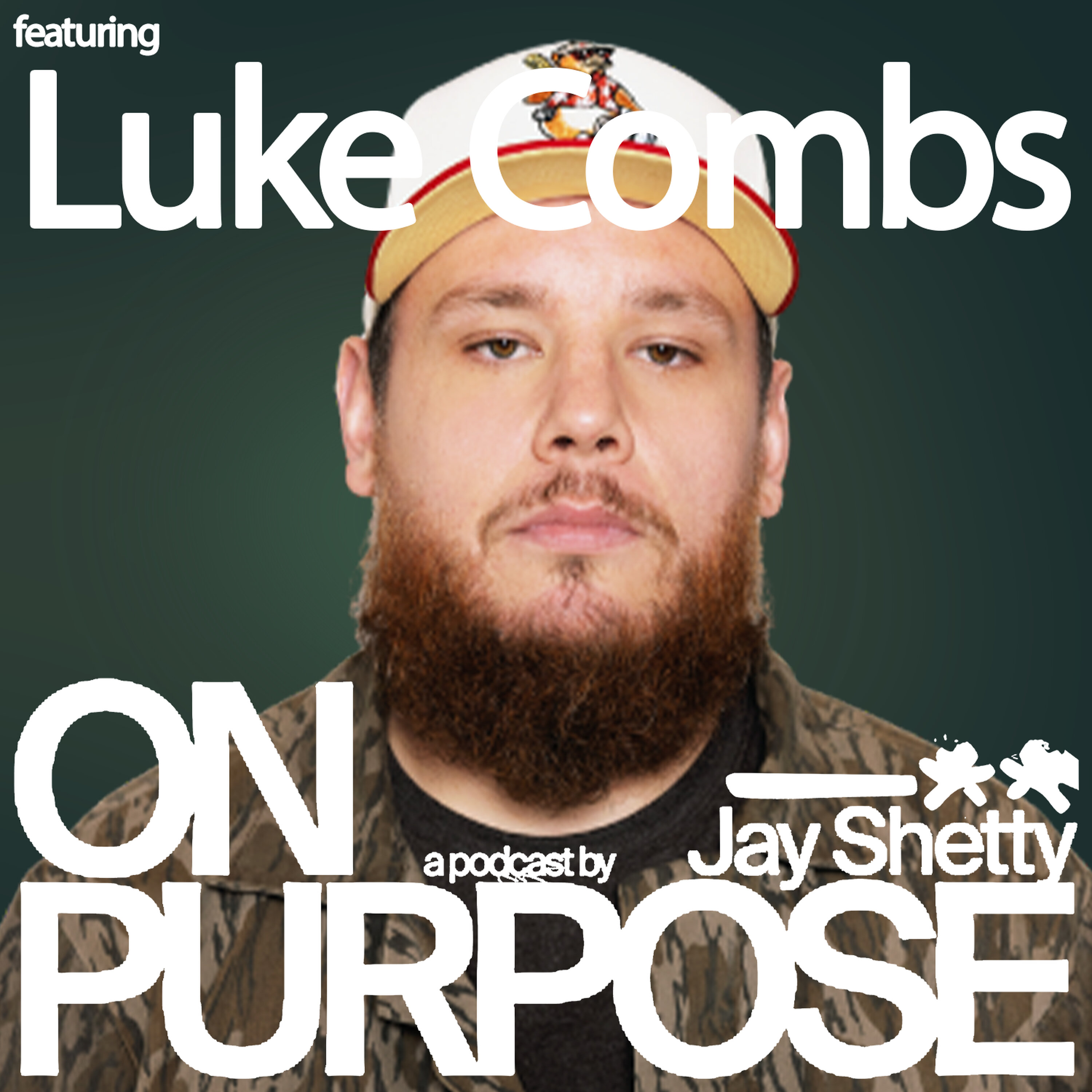
Overview of LUKE COMBS: The Man Behind The Success (Marriage, Fatherhood & Life With OCD)
This On Purpose interview (host Jay Shetty) features country star Luke Combs discussing his rise to fame, family life, fatherhood, OCD (purely obsessional OCD), mental-health recovery strategies, songwriting and career choices. The conversation mixes candid personal stories (missing a child’s birth while on tour, learning to parent, and lifelong OCD struggles) with reflections on humility, gratitude, and how Luke tries to steward his influence through philanthropy and team culture.
Key topics covered
- Luke’s personal background and how he found music late in college
- His experience with purely obsessional OCD (POCD), how it affected his adolescence and early adulthood, and how he manages it now
- Family life: relationship with his wife Nicole, becoming a father to Tex and Bo, and balancing touring with parenting
- The moment he missed a son’s birth (touring in Australia) and how he processes that guilt
- Career trajectory: early use of social media, moving to Nashville, changes in how new artists break today
- Live-performance ethics: the Bangor, Maine show where he refunded tickets because his voice was failing
- Philanthropy: rebuilding the food bank from his hometown after Hurricane Florence / Helen benefit
- Musical choices: songs that reflect his values and identity (e.g., “The Way I Am,” “Days Like These,” “Rich Man”)
- Everyday Guy Test / Final Five rapid-fire questions (light, personal bits)
Main takeaways
- Authenticity + gratitude anchor Luke: he sees fame as an amplifier of who you already are and focuses on humility and kindness in every interaction.
- OCD shaped him but doesn’t define him: years of suffering gave him empathy and creative fuel; diagnosis and learning the patterns helped him develop tools to manage intrusive thoughts.
- Best practical strategy for intrusive OCD-like thoughts: stop giving them credibility or reinforcing them with reassurance-seeking (Luke emphasizes awareness and not “solving” the thought as key — seek clinical help for tailored therapy).
- Family-first priority: Luke intentionally centers his family (cooking, diapers, hands-on parenting) and views his parents’ work ethic as foundational; missing his son’s birth was a major emotional event he’s still processing.
- Career + era perspective: Luke benefited from early social-media traction combined with the old-school Nashville songwriter scene—he values the organic community he built with friends and collaborators.
- Integrity with fans matters: when vocally compromised, he offered refunds and still played a shortened show rather than cancel — emphasizing respect for fans’ sacrifices.
- Using success for impact: Luke actively gives back (rebuilding food bank), and tries to create a positive team culture; legacy priorities: “good man, good dad, good husband, good friend, good boss.”
Notable anecdotes & moments
- Purely obsessional OCD described: extensive rumination where intrusive themes dominate nearly all waking thought; themes change (violence, schizophrenia fears, etc.), and compulsions are mental rather than outward.
- Missing Bo’s birth in Australia — Luke was devastated that he could not be there; he’s thinking now about how to talk to his son about it and how to make amends through consistent presence.
- Bangor, Maine show: after steroid injection didn’t save his voice, Luke told the crowd he couldn’t give a full show, refunded tickets and played the best set he could — many fans donated their refunds back.
- Philanthropy: proceeds from a benefit helped completely rebuild the food bank where he volunteered as a child — an example of converting career success into tangible community impact.
- Song choice & identity: picked “The Way I Am” as the album title track because it reflects acceptance of himself and his current mental-health state; “Days Like These” captures rare, perfect life moments money can’t buy.
Practical insights & advice (summarized)
- For people struggling with intrusive thoughts or OCD:
- Awareness and education helped Luke — understanding the condition changed how he responded to thoughts.
- Avoid reassurance-seeking and avoidance behaviors (they give thoughts power).
- “Not giving credibility or attention to the thoughts” is a core technique Luke emphasizes — but formal therapy (CBT/ERP) and a clinician are essential for individualized care.
- For artists/collaborators:
- Build and maintain genuine teams; culture “top-down” matters.
- Use platforms to create your own community, but value organic, in-person creative ecosystems.
- For anyone balancing work and family:
- Presence (hands-on parenting) and transparent conversations matter; mistakes happen — consistent, honest follow-up can help repair them.
Notable quotes
- “When you get to a certain point, fame… accentuates the inherent person that you are — it inflates the super-version of who you already are.”
- “It’s almost like the room is perfect, but the dog pooped on the floor. All the lights shine on the pile of dog shit.”
- “Not giving any credibility or attention to the thoughts is ultimately the thing that makes it go away.”
- “My headstone: ‘Here lies good man, good dad, good husband, good friend, good son, good boss.’ That’s the legacy I want.”
- On performing while not well: “I can’t live with the idea that they are going to be let down… so I’ll play and refund the tickets.”
Quick profile highlights
- Relationship: Met wife Nicole through mutual Nashville connections; they’ve grown together through years of rise and parenthood; she’s a key creative/business partner (merch, instincts) and emotional anchor.
- Children: Tex and Bo — Luke emphasizes being hands-on (diapers, meals, baths) and prioritizing family where possible.
- Career: First number one in 2017; early adoption of social media platforms (Vine/Instagram) helped build a grassroots following before signing a major deal.
- Current stance: Comfortable in his skin at 35; proud of improved mental health and excited about new album work.
Resources & next steps for listeners (if relevant)
- If you or someone you know experiences intrusive thoughts/OCD:
- Consider reaching out to a licensed mental-health professional (psychologist/psychiatrist) experienced in OCD, especially ERP (exposure and response prevention).
- Trusted organizations: International OCD Foundation (IOCDF) or local mental-health providers for validated resources and clinician directories.
- Avoid self-diagnosing from online articles alone — professional evaluation helps tailor effective treatment.
Closing notes
This interview blends vulnerability and humor with concrete stories of accountability (to family, fans and community). Luke Combs presents a portrait of someone who’s used early struggles and success to build empathy, prioritize relationships, and intentionally channel influence into philanthropy and authentic artistry.