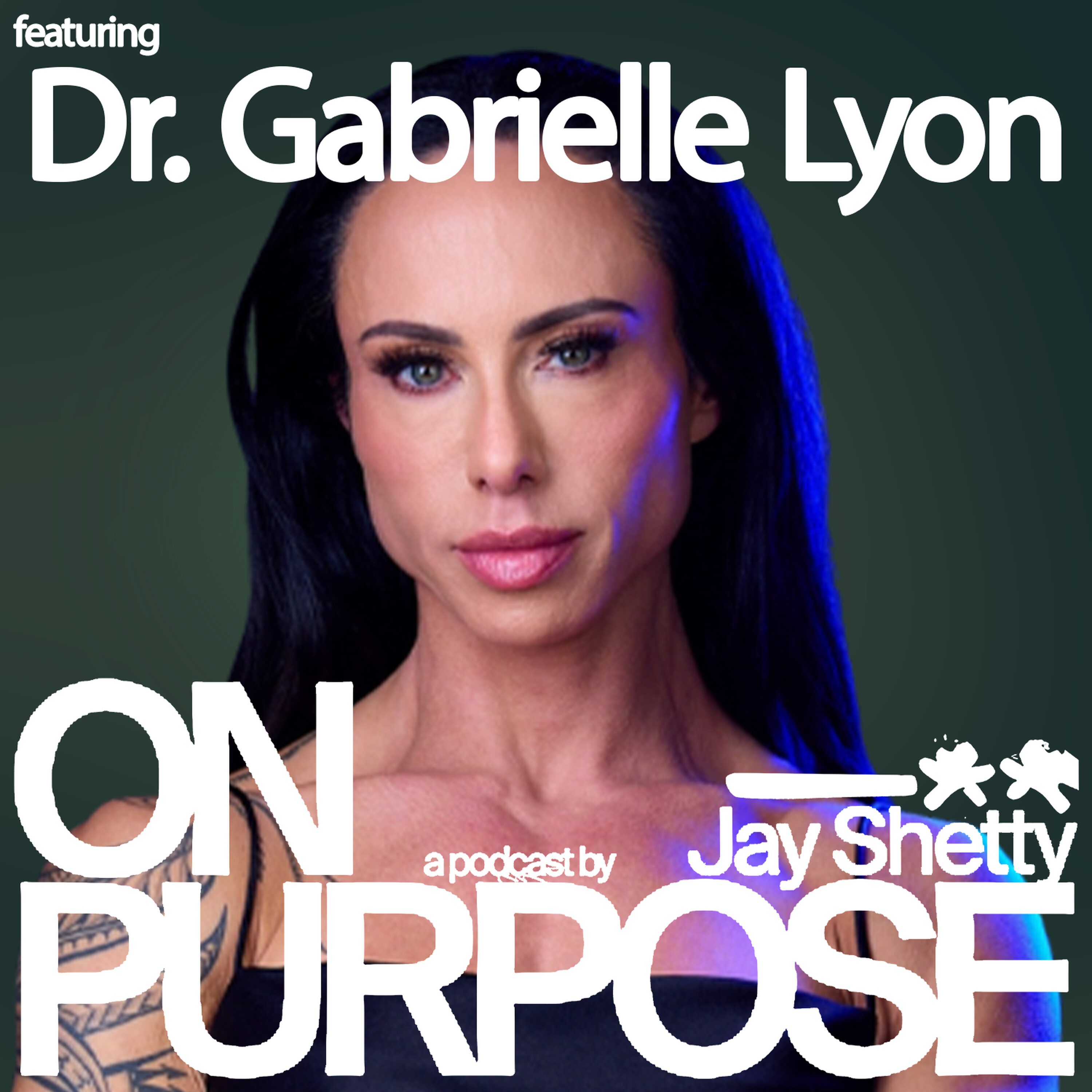
Overview of Dr. Gabrielle Lyon: #1 Blueprint for Building Muscle That Will Change How You Age!
This episode of On Purpose (hosted by Jay Shetty) features Dr. Gabrielle Lyon, founder of the Institute for Muscle-Centric Medicine and author of Forever Strong and The Forever Strong Playbook. Dr. Lyon reframes skeletal muscle as the primary organ of longevity and metabolic health, argues that building and preserving muscle (not just losing fat) should be the central public-health focus, and offers concrete, science-backed guidance on nutrition, resistance training, and small daily habits that protect lifelong health.
Key takeaways
- Skeletal muscle is a metabolic control center — it governs carbohydrate, fat and amino acid metabolism and releases hormone-like myokines that affect brain, liver and bone.
- Muscle is the only organ system we can intentionally grow/maintain; more muscle correlates with lower all-cause mortality and better resilience to illness, hospitalization and aging.
- Shifting focus from “lose fat” to “build muscle” is more empowering and effective for long-term health. Fat loss often follows when muscle and metabolism improve.
- Two main levers to protect and build muscle: resistance training and dietary protein. Consistency beats intensity or novelty.
- “Skinny fat” / sarcopenic obesity (low muscle mass with normal or low body weight) is a growing, dangerous problem — including as an unintended consequence of rapid weight-loss drugs (GLP‑1s) or extreme dieting.
Topics discussed
- Why skeletal (striated) muscle — not fat or bodyweight alone — should be the focal point for aging and metabolic disease prevention.
- Muscle biology: type 1 vs type 2 fibers, anabolic resistance with age, inter‑muscular adipose tissue (IMAT).
- Exercise prescriptions (resistance training, HIIT, cardio, walking, Pilates/yoga) and practical ways to start.
- Nutrition strategy emphasizing protein timing and quantity, and carbohydrate context relative to activity.
- Common myths: women getting “too bulky,” cardio alone building muscle, protein only from animal sources.
- Practical strength tests (push‑ups, grip strength) and simple behavior change strategies.
- Supplements with clinical evidence (creatine, omega‑3s, vitamin D, urolithin A, ketones, magnesium, protein shakes).
Practical action steps / Recommendations
- Start small: pick one measurable activity (e.g., push‑ups) and track daily improvement rather than overhauling everything at once.
- Resistance training: 2–3 sessions per week to start; aim for progressive stimulus. Rep guidance commonly useful: ~10–12 reps with 1–2 reps in reserve (i.e., hard but maintainable form).
- Daily movement: avoid being sedentary (<3,000 steps/day). Walking and cardio preserve type‑1 fibers and vascular health but do not substitute for resistance work to maintain/gain type‑2 (power/strength) fibers.
- Protein intake:
- Prioritize a protein-rich first meal after overnight fast: aim ~35–55 g (older adults toward higher end).
- Target ~30 g+ protein per feeding to stimulate muscle protein synthesis; leucine (~2.5 g) is a key trigger.
- Practical long-term target: roughly 1 g protein per pound of target body weight (adjust for goals/food preferences); at minimum, older or sedentary adults should aim substantially above the RDA.
- Carbohydrates:
- Sedentary glucose disposal is limited — about 50 g of carbs over ~2 hours — so large refined‑carb meals when sedentary can derange metabolism.
- Keep breakfast carbs ≤ ~35 g (unless you’ve earned more with activity); overall daily RDA ~130 g, but individual needs depend on activity and goals.
- Meal timing / fasting: avoid long fasts (24+ hours) if primary goal is muscle preservation, especially for older adults; an 8–9 hour eating window is reasonable.
- Start testing: baseline push‑up count or a handheld grip dynamometer, then train and retest to track progress.
Supplement suggestions (evidence-focused)
- Creatine: 3–5 g/day for muscle (women often toward 5 g); higher dosages (10–12 g) have been studied for brain benefits in older adults.
- Omega‑3 (fish oil): supports brain and muscle health.
- Vitamin D: linked to muscle function and fall prevention; test and supplement if deficient.
- Urolithin A (postbiotic): supports mitophagy/mitochondrial health in people who can’t produce it endogenously (clinical trials show endurance/strength benefits).
- Beta‑hydroxybutyrate (BHB) ketone salts/esters: potential benefits for brain and muscle preservation.
- Magnesium and a quality protein supplement (whey or a complete plant blend where needed) as practical additions.
Notable metaphors/insights (concise)
- “Muscle is the suitcase” — muscle stores carbohydrates; more healthy muscle = more safe glucose storage and better metabolic control.
- “Street lamp effect” — we focus on visible obesity (easy to see) rather than invisible, gradual muscle deterioration (harder to see but root cause).
- Strength is not a luxury but a responsibility; muscle = organ of longevity.
Tests and metrics to track progress
- Push‑up test: baseline count → train → retest weekly to measure functional strength gains.
- Handgrip dynamometer: portable objective measure correlated with mortality and function.
- Body composition where possible (lean mass, IMAT) rather than scale weight alone.
- Standard metabolic labs (fasting glucose, insulin, triglycerides, metabolic syndrome panel) to track metabolic improvements.
Common myths debunked
- Women will easily get “too bulky” from resistance training — unlikely; relative muscle gain capacity is similar when adjusted for body size.
- Cardio alone builds muscle — it helps mitochondria and aerobic fitness but won’t preserve/build type‑2 muscle that resistance training targets.
- Protein must be animal-only to build muscle — plant diets can support muscle if total protein and amino acid needs (esp. leucine) are met; plant eaters often need more total protein.
- Processed foods labeled “protein” automatically help muscle — whole‑food, high‑quality protein sources are preferable; beware calorie dilution/marketing.
Quick daily checklist (starter)
- Do a short resistance session 2×–3× per week (or a handful of body‑weight movements daily).
- Eat a protein‑forward breakfast (35–55 g), include ~30 g+ protein per other meals.
- Keep large refined‑carb loads to times when you have activity to use them.
- Walk more — avoid <3,000 steps/day.
- Consider creatine + vitamin D + omega‑3 if appropriate and cleared by your clinician.
- Pick one measurable strength test (push‑ups or grip) and track progress.
Notable one‑liners from the episode
- “Muscle is the organ of longevity.”
- “If you don’t have time for health and wellness, how are you going to have time for sickness?”
- “There is no such thing as a healthy sedentary person.”
- “Weakness is not inevitable. Strength is not a luxury. It’s a responsibility.”
Recommended resource
- The Forever Strong Playbook — 6‑week, science‑based plan by Dr. Gabrielle Lyon (practical programming + meal guidance).
This summary distills the episode’s evidence-based framing and actionable guidance: prioritize preserving and building skeletal muscle through intentional resistance work and protein-focused nutrition, starting small and measuring progress to change long-term health and aging outcomes.