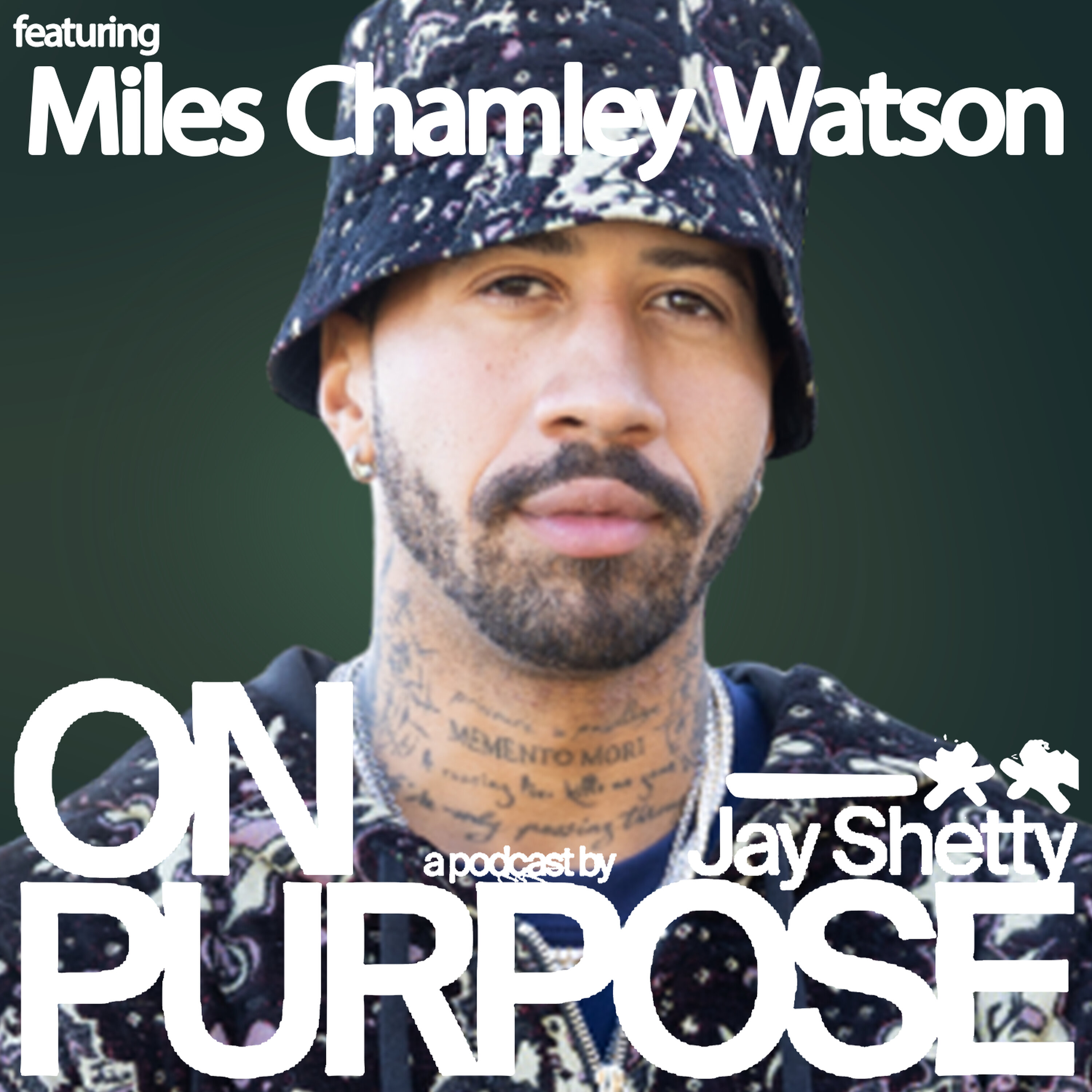
Overview of Miles Chamley-Watson: #1 Mindset Shift That Changes Everything (Try THIS to Stay Sharp, Focused, and In Control)
This episode of On Purpose features Olympic fencer Miles Chamley-Watson, who shares how fencing saved his life, helped him channel childhood chaos into discipline, and became the foundation for his identity, confidence, and success. The conversation goes far beyond sports, covering trauma, race, mentorship, emotional resilience, meditation, pressure management, and the mindset shift that helped him become the first Black American world champion in fencing and launch the World Fencing League.
Main Themes and Takeaways
1. Fencing gave Miles purpose, structure, and identity
- Miles grew up moving from London to New York and struggled with behavior, school discipline, and not feeling like he fit in.
- He was introduced to fencing as a punishment for getting in trouble, but it quickly became the thing that gave him direction.
- He describes fencing as both his therapy and his escape route.
2. The core mindset shift: learn how to lose before you learn how to win
- One of the most important lessons Miles credits for his success is:
- “You must learn how to lose before you can learn how to win.”
- Losing taught him humility, emotional control, and patience.
- He says the best athletes have the shortest memory—they don’t linger on wins or losses.
3. Mentors changed his life
- Miles repeatedly emphasizes the importance of coaches, mentors, and role models.
- Key figures in his development included:
- Ellen Grayson
- Eric Rosenberg
- Simon Gershon
- These mentors helped him see his potential, navigate citizenship and opportunity, and develop into a top-level athlete.
- He now wants to be that same kind of guide for young athletes.
4. He broke barriers in a historically white sport
- Miles discusses the racism and bias he experienced in fencing, including being picked last, receiving unfair calls, and dealing with racial gestures.
- He uses those experiences as motivation rather than bitterness.
- His success became a statement:
- He became the first Black American world champion in fencing.
- He also wants to make the sport safer and more welcoming for kids of all backgrounds.
5. His training is a mix of speed, strategy, and explosive conditioning
- Miles describes fencing as “physical chess.”
- The sport requires:
- Explosive power
- Fast reaction time
- Precise timing
- Tactical awareness
- Strong grip and core strength
- His training includes high-intensity cardio, sprint-style intervals, fencing sparring, and one-on-one lessons with his coach.
6. He manages pressure by staying present
- A major mindset strategy Miles uses is avoiding overthinking before competition.
- He often doesn’t study opponents too early because it can disrupt his sleep and create unnecessary stress.
- He tries to stay in the moment and trusts his instincts.
- He sees pressure as a privilege, but also believes you need a way to metabolize it emotionally.
7. His tattoos and personal style are part of his message
- Miles uses his appearance to stand out in a sport that often expects conformity.
- His tattoos, fashion, and confidence are intentional.
- He sees them as a way to show that you can be elite without becoming a copy of everyone else.
- He believes individuality is a strength, not a liability.
8. Family trauma deeply shaped him
- Miles opens up about his father leaving when he was young and how that affected his behavior and emotional development.
- He later reconnected with his biological father after many years, which gave him closure.
- One of the most difficult moments of his life was when his sister suffered a stroke at 37.
- Supporting his family through that crisis became a turning point where he says he truly became a man.
9. He values emotional honesty and male friendship
- Miles strongly rejects the idea that men should never show emotion.
- He believes friendship should be a safe place to be honest, vulnerable, and supported.
- He says loneliness can be relieved simply by reaching out and talking.
- A recurring theme in the episode is that communication is healing.
10. His greatest pride is impact, not medals
- While he’s proud of his titles and Olympic success, Miles says what matters most is:
- helping kids feel seen
- inspiring Black children who didn’t see themselves in fencing
- changing the culture of the sport
- Launching the World Fencing League was one of the proudest moments of his life because it brought the sport to a broader audience and gave kids a platform.
Notable Quotes
- “You must learn how to lose before you can learn how to win.”
- “Never lose Miles along this journey.”
- “It’s never a loss, it’s always a lesson.”
- “Pressure is a privilege.”
- “What makes me proud is being a beacon of light to kids.”
- “The best athletes have the shortest memory.”
Final Five Takeaways
- Best advice: “It’s never a loss, it’s always a lesson.”
- Worst advice: Never show emotion.
- What makes a good friend: Someone you can call anytime, and who calls you just to connect.
- What he values now more than attention: People’s time.
- One law for everyone: Give people a hug regardless of skin color.
Overall Message
Miles Chamley-Watson’s story is about much more than fencing. The episode centers on how discipline, emotional honesty, mentorship, and self-belief can transform a difficult childhood into purpose and impact. His biggest message is that success isn’t just about winning—it’s about becoming someone who can handle loss, lead others, and stay true to who you are.