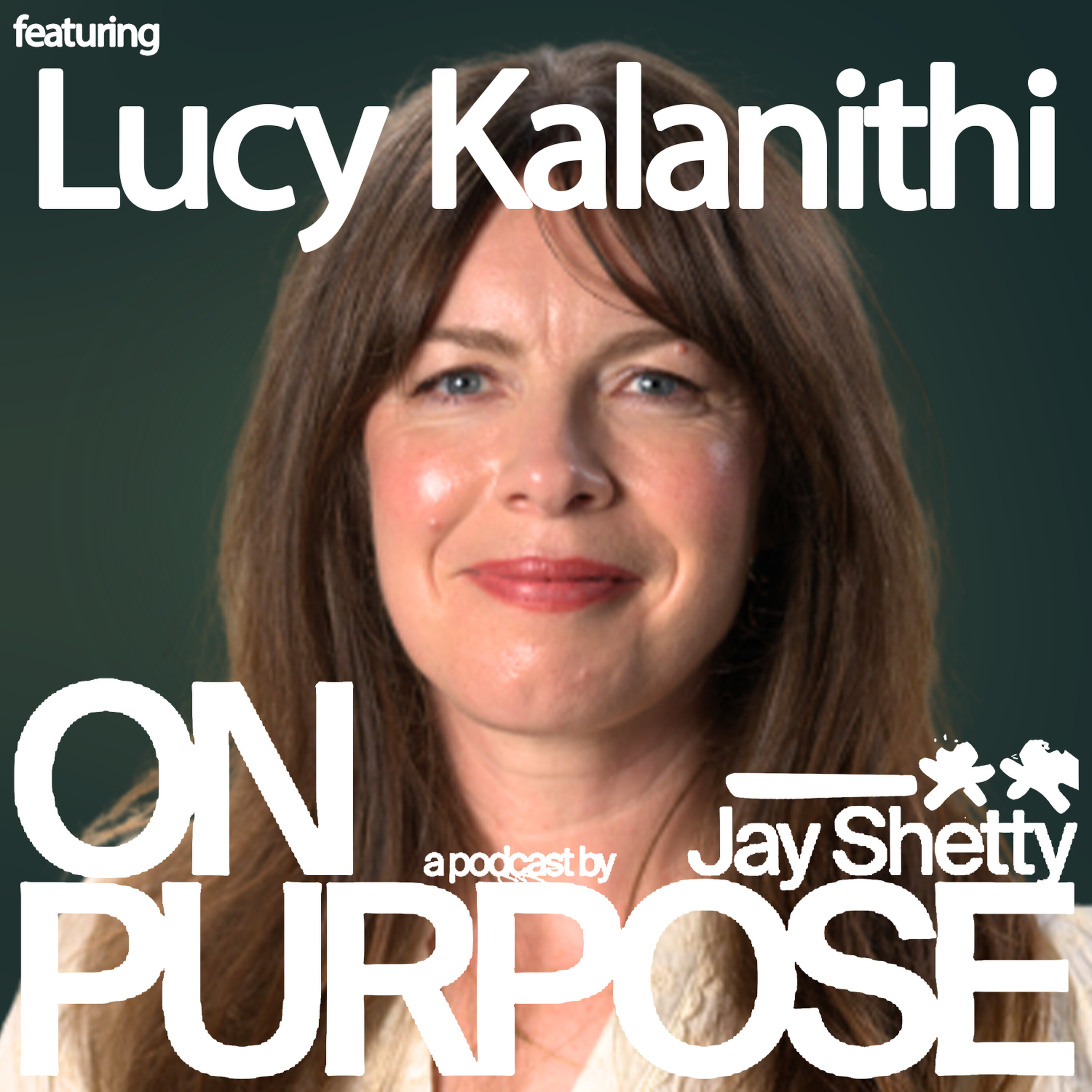
Overview of Lucy Kalanithi: What Loss Can Teach Us About Living (The Perspective Shift That Changes Everything)
In this On Purpose conversation, Jay Shetty speaks with Dr. Lucy Kalanithi about life 10 years after the death of her husband, Dr. Paul Kalanithi, the neurosurgeon and author of When Breath Becomes Air. The episode explores how grief changes over time, how love continues after loss, and what being close to death can teach us about living with more clarity, gratitude, and presence.
Lucy reflects on raising their daughter Katie, caring for Paul during his illness, and how her understanding of grief has evolved from devastation into a more complex, ongoing relationship with memory, meaning, and healing.
Key Themes and Takeaways
Grief doesn’t disappear — it changes shape
Lucy explains that she once thought losing Paul meant life was “all over,” but over time she learned that pain can soften without fully vanishing. Grief leaves a scar, not a clean ending.
- Time doesn’t erase loss, but it can make life feel okay again in a new way.
- Healing does not mean forgetting.
- The person who died does not become static; they continue to live through memory, stories, and the impact they left behind.
Remembering someone fully means keeping them human
Lucy emphasizes the importance of not turning the dead into a perfect myth.
- Paul was extraordinary, but he was also ordinary: funny, annoying, flawed, and textured.
- She wants Katie to know him as a real person, not just as an idealized memory.
- Honoring someone means remembering the small, specific details that made them who they were.
Presence matters more than perfect words
One of the most practical insights in the episode is that grieving people usually do not need fixing — they need witnessing.
- Don’t avoid the grieving person out of fear of “reminding” them.
- Be specific and honest instead of overly polished.
- Lucy’s favorite condolence card simply said: “This sucks really big.”
Suffering can create meaning, though not always for a “reason”
Lucy rejects the idea that “everything happens for a reason” in a simplistic sense. Instead, she suggests that suffering can deepen empathy, connection, and purpose.
- Hardship may not be caused by a higher plan.
- But meaning can still be discovered afterward.
- She draws on Viktor Frankl’s ideas that meaning can come through work, love, and suffering.
Love after loss is not betrayal
Lucy discusses remarrying, dating, and the difference between replacing someone and making space for new love.
- Love is not limited; it can expand.
- Paul’s presence in her life remains permanent, even as she moves forward.
- She describes knowing intuitively when she was ready to love again.
Dying well means protecting dignity
A major portion of the episode focuses on end-of-life care and how medical systems often fail people by prioritizing aggressive treatment over values, comfort, and humanity.
Lucy explains that dignity in dying can look like:
- being treated as a full person, not a diagnosis
- preserving privacy and comfort
- asking what matters most to the patient
- respecting their goals, whether that’s lucidity, family time, or less suffering
She strongly recommends palliative care, which supports patients and families alongside other treatment.
Notable Insights
On grief
- “I never thought I was going to feel okay.”
- “Things do become okay — just not in the way you expected.”
On Paul’s final gift
Paul told Lucy early on, before much else: “I want you to remarry.”
Lucy interprets this as an expression of love that extends beyond his own life.
On dying and living
Lucy shares Paul’s feeling that, near the end, he was not thinking “I’m losing everything,” but rather:
- “I have everything.”
That mindset became one of the episode’s most powerful reflections.
Practical Recommendations from the Episode
- If someone is grieving, don’t overthink it: say something simple and honest.
- Offer specific help instead of vague support.
- Let children access stories, photos, and memories of loved ones instead of hiding them away.
- Ask for palliative care early if dealing with serious illness.
- Focus medical conversations on the range of likely outcomes, not false certainty.
- Think about what matters most to you before a crisis forces the decision.
Final Takeaway
This episode is less about “moving on” and more about learning to live alongside loss. Lucy Kalanithi offers a deeply grounded perspective: grief can make life more fragile, but also more vivid; death can sharpen what matters; and love, even after death, can remain expansive, durable, and life-giving.