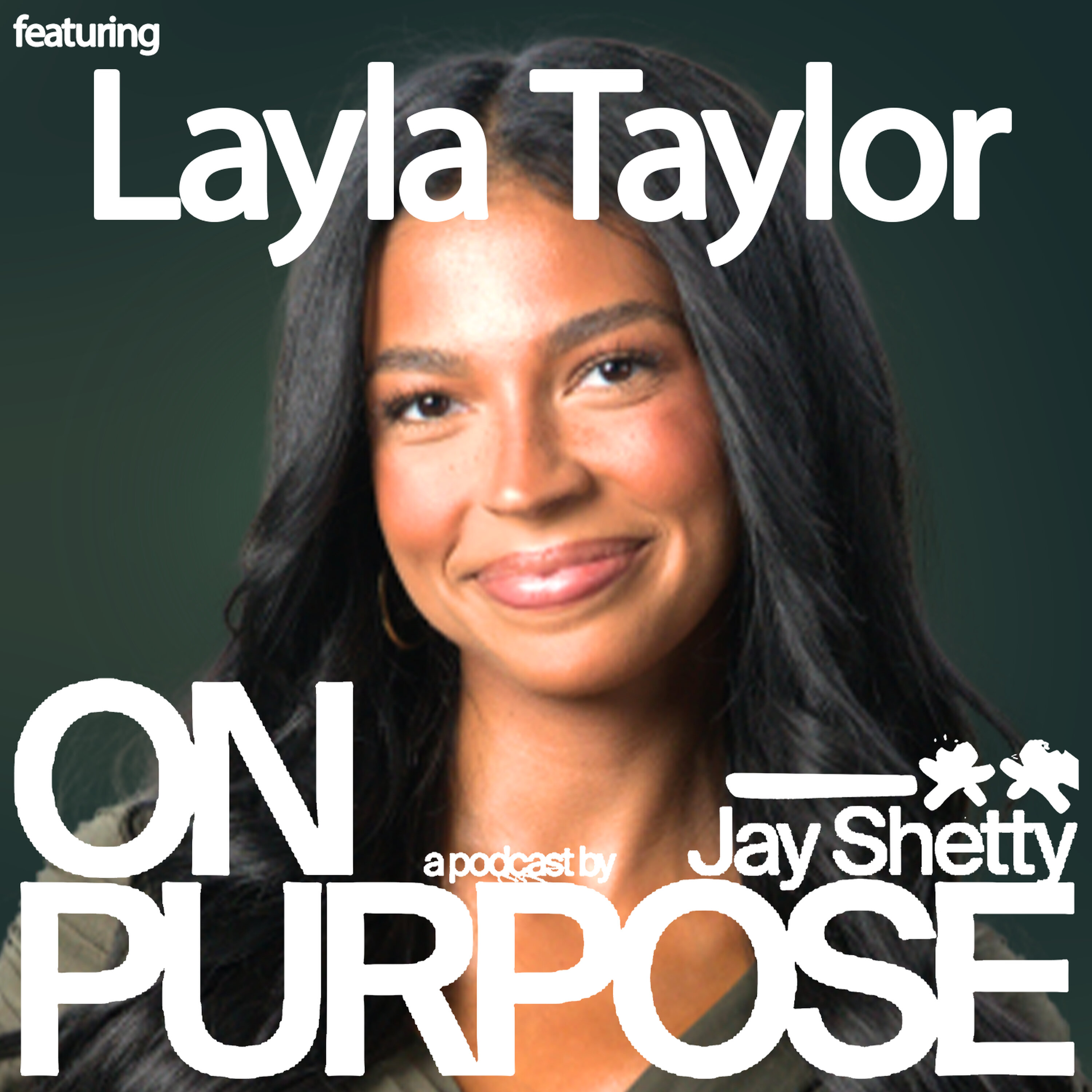
Overview of Layla Taylor EXCLUSIVE: The Truth She’s Finally Ready To Share
In this episode of On Purpose, Layla Taylor opens up publicly for the first time about being bisexual and dating both men and women, while also reflecting on the major life experiences that shaped her: growing up Black in predominantly white spaces, converting to Mormonism as a teenager, becoming a mother at 19, going through a toxic marriage and divorce, and rebuilding her life as a single mom. The conversation is deeply personal and centered on self-acceptance, healing, representation, and learning to live authentically after years of suppressing parts of herself.
Key Revelations and Personal Story
Coming out as bisexual
- Layla shares that she is gay/bi and dates both women and men.
- She says she knew something was different about herself since childhood but didn’t have the language, representation, or support to understand it.
- The first person she told was her best friend Kate, who was immediately supportive.
Why she’s speaking out now
- A breakup at the beginning of the year gave her time to focus on herself for the first time.
- She says she spent years living for others as a mother, wife, and public figure.
- This chapter feels like her first real chance to focus on who Layla is, not just what others need from her.
Identity, Race, and Representation
Growing up Black in white environments
- Layla describes feeling “othered” as the only Black child in many rooms.
- She recalls internalizing white beauty standards and even attempting to bleach her skin as a child, which she now views as heartbreaking.
- She says her relationship with her Black identity has shifted from shame and invisibility to pride and representation.
Reclaiming her image
- She talks about experimenting with wigs and natural hair as part of embracing her Blackness.
- Her children inspired a major mindset shift: she wants them to be proud of every part of themselves, so she has to model that pride herself.
Mormonism, Family, and Faith
Why she converted
- Layla converted to the Mormon church at 16, largely because she craved family stability and belonging.
- She felt the church offered structure and the image of a strong, united family life.
Her complicated relationship with the church
- She says she did not feel fully invested spiritually; she often attended to fit in.
- She is grateful that it gave her some direction during a difficult time, but says much of the institution’s teachings—especially around sexuality—do not align with who she is now.
- She notes that sex and sexuality were not openly discussed in her home, which left her to figure things out on her own.
Motherhood, Marriage, and Divorce
Becoming a mom at 19
- Layla found out she was pregnant unexpectedly during a visit to urgent care in Provo, Utah.
- She felt terrified and had little support at the time.
- Her choice to marry her ex-husband was heavily influenced by fear of becoming a single mom and wanting to avoid repeating the instability she saw growing up.
Toxic marriage and leaving
- She says the relationship was toxic and manipulative from the start.
- Divorce was repeatedly used as a threat during conflict, which made leaving especially difficult.
- Eventually, she realized she had given everything she could and chose to walk away.
The reality of single motherhood
- Layla describes a painful early period after separation:
- borrowing money from family
- buying only $30 of groceries for the week
- eating her children’s leftovers
- receiving eviction notices
- hiding her struggles while filming
- She says she felt ashamed but also determined to keep going for her kids.
Healing, Dating, and Self-Worth
Learning to be alone
- Layla admits she used relationships for validation and struggled with abandonment wounds.
- Being alone gave her the space to reflect, process, and finally accept that she is bi.
- She says she now values solitude and sees it as essential to growth.
Dating women
- Her current romantic connection began when a woman DMed her after she liked one of her TikToks.
- This relationship felt different because it was intentional, not accidental or alcohol-driven.
- She describes women as emotionally aware, patient, and understanding.
Mental Health and Body Image
Self-worth struggles
- Layla connects her low self-worth to:
- childhood racism and exclusion
- family negativity
- an eating disorder
- pressure to conform
- She says she is currently in remission from her eating disorder and is proud of the progress she’s made.
How she supports her kids
- She uses affirmations with her sons, such as:
- “I’m smart.”
- “I’m loved.”
- “I’m cared for.”
- She wants them to grow up with the confidence and self-talk she never had.
What She Wants Her Platform to Stand For
Layla says she wants to use her visibility to represent:
- single mothers
- Black women
- women in general
- bi women and queer people
Her core message is that authenticity matters more than approval, and that survival alone is not the goal—people deserve to live fully.
Notable Takeaways
- Authenticity over approval: Layla repeatedly returns to the idea that she is done hiding parts of herself.
- Representation matters: Her identity as a Black, bi woman and mother gives her a powerful platform to help others feel seen.
- Healing takes space: Being single and alone helped her understand herself in a way she couldn’t while constantly caring for others.
- Parenting changes perspective: Her children pushed her toward self-respect, healthier self-talk, and a more intentional life.
- Faith and identity can coexist with complexity: She respects the good Mormonism brought her while rejecting the parts that don’t fit her life now.
Final Five Highlights
Best advice she’s heard
- “Your love for yourself has to be stronger than your desire to be loved.”
Worst advice she’s heard
- “The best way to get over someone is to get under somebody else.”
How she defines a good friend
- Someone who loves you through every stage, chapter, and challenge.
What she overthinks most
- How people perceive her.
One law she’d create
- Don’t convert to Mormonism until you truly understand it.
Bottom Line
This episode is a vulnerable coming-out story, but it’s also much more than that. Layla Taylor discusses identity, race, religion, motherhood, trauma, and resilience with striking honesty. The central message is clear: she is choosing to stop shrinking herself and start living as her full, authentic self.