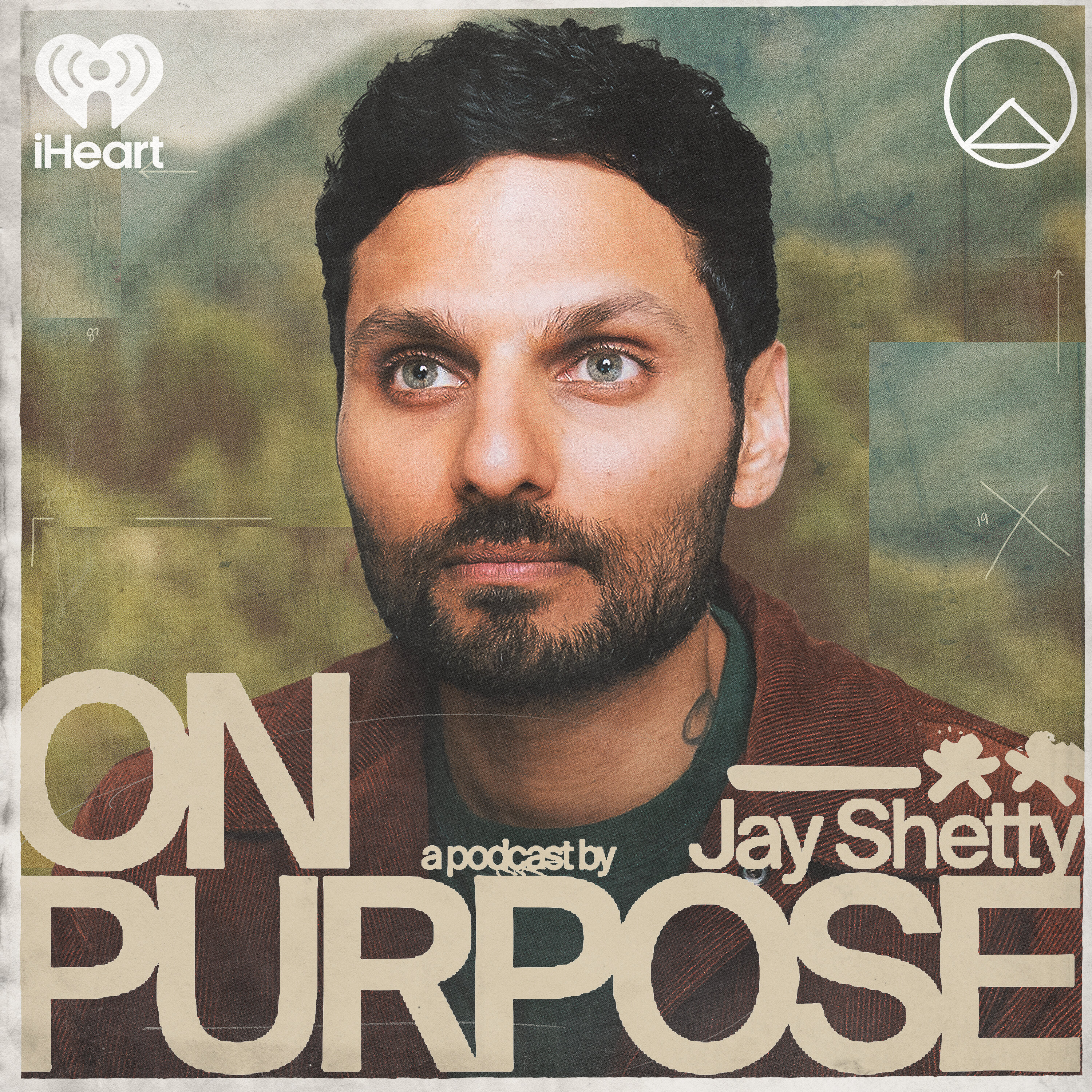
Overview of On Purpose with Dr. Ramani
In this episode of On Purpose, Jay Shetty speaks with clinical psychologist Dr. Ramani Durvasula about one of the most emotionally loaded topics in family dynamics: going no contact with a parent or family member. The conversation reframes no contact not as a rash or trendy choice, but as a last-resort boundary that often comes after years of harm, failed repair attempts, and deep self-abandonment. Dr. Ramani explains how to tell the difference between protection and punishment, why family estrangement is so shaming, and what healing can look like when staying connected is no longer safe.
What “No Contact” Actually Means
Dr. Ramani defines no contact very plainly:
- No phone calls, texts, in-person visits, or digital contact.
- No showing up where the other person is.
- It is essentially the end of the relationship while both people are still alive.
She emphasizes that no contact is not one single experience. It can come from:
- Safety and self-protection
- Healing from abuse or chronic harm
- Punishment or revenge
- Avoidance of difficult conversations
Why People Go No Contact
Dr. Ramani says most protective no-contact decisions come after a long accumulation of harm, not one isolated moment. Common reasons include:
- Denial or minimization of childhood abuse
- Repeated boundary violations and broken promises
- Ongoing criticism, devaluation, or gaslighting
- Concerns about children being exposed to unsafe relatives
- Major irreversible events that “confirm” a long pattern
- Political or values-based rupture in some families
- Physical stress responses around the person, including anxiety, illness, migraines, or GI issues
Her core point: the final cutoff is usually the last straw, not the whole story.
The Emotional Cost of Staying vs Leaving
The episode repeatedly returns to a painful truth: there is no pain-free path.
If you stay connected:
- You may keep getting hurt
- You may keep abandoning your own needs
- Your body may stay in chronic stress
- You may live with ongoing hypervigilance
If you go no contact:
- You may experience grief, guilt, shame, regret, and social backlash
- You may lose a sense of belonging
- You may be judged by family or community
Dr. Ramani’s view is that for many people, the pain of no contact is the price of finally stopping self-abandonment.
How to Tell If It’s the Right Decision
A major question in the conversation is: What’s your why?
Dr. Ramani encourages people to examine whether they want no contact because:
- They feel unsafe
- Their body is telling them something is wrong
- They have tried repair repeatedly
- They are protecting children
- They are trying to preserve their authenticity
Or whether it’s driven by:
- The desire to punish
- A wish to make the other person suffer
- Avoidance of uncomfortable conversations
Her guidance: if your reason is primarily retaliation, the decision is more likely to lead to regret.
Repair, Accountability, and Change
One of the strongest themes in the episode is that relationships are not ruined by mistakes; they’re ruined by the inability to repair.
Dr. Ramani says real repair requires:
- Accountability
- A sincere apology
- Bearing witness to the harm
- Actual behavior change over time
What does not count as repair:
- Repeated apologies without change
- Denial of harm
- Apologies that are really about the apologizer’s discomfort
- “Sorry, but…” explanations that erase the injured person’s experience
Her message is blunt: behavior change is the proof.
No Contact vs. Silence, Fallout, and Ghosting
Dr. Ramani distinguishes no contact from other relational breaks:
No contact
- Usually protective
- Often comes after repeated harm
- Usually deliberate and internally justified
Fallout
- A temporary rupture after conflict
- Often includes the possibility of repair
Silent treatment
- A manipulative tactic
- Often used to force compliance
- Designed to punish or control
Ghosting
- Sometimes an act of avoidance
- But in harmful family systems, it can be a survival response after many failed attempts to communicate
Why Forgiveness Is Not Mandatory
Dr. Ramani strongly pushes back on the idea that forgiveness is always necessary or healing.
Key points:
- Forgiveness can be weaponized as pressure or moral superiority
- Some people heal without forgiving at all
- Forgiveness without safety or change can become another form of self-abandonment
- Resentment may never fully disappear, and that does not mean healing has failed
Her message: you can heal without forgiving.
What To Do If You Can’t Go Fully No Contact
For people who can’t fully cut off a relative due to culture, logistics, or family structure, Dr. Ramani offers alternatives:
- Low contact
- Gray rock / yellow rock strategies
- Soul distancing: physically present, emotionally protected
- Selective participation: attend the wedding, leave before the dinner
- Build counterweights: maintain at least a few safe, loving relationships elsewhere
She also notes that trauma is healed in relationship, so people need other safe people if one relationship is unsafe.
Practical Advice for People in This Situation
Dr. Ramani offers several grounded recommendations:
- Don’t make the decision lightly.
- Focus on your body’s signals and your lived experience.
- You do not need to announce no contact to the other person.
- Expect backlash, smear campaigns, or accusations of being ungrateful.
- Don’t try to “win” the conversation with family members who refuse to understand.
- Let therapy help you think through the decision without pressure.
- Be open to the idea that no contact may be temporary, not forever.
Real-Life Scenario Takeaways
If a parent says, “I have no idea why my child cut me off”
Dr. Ramani says they often do know, or at least they are refusing to fully see it. The adult child is not responsible for convincing them.
If family members pressure you to reconcile
Use a few calm stock responses:
- “I know this is hard.”
- “I love you, and I understand why this is difficult.”
- “Please understand why it’s hard for me too.”
If a parent paid for school or helped financially
Financial support does not cancel emotional harm. Money does not buy access to your life.
If a once-absent parent suddenly becomes loving
Don’t get pulled into the fantasy of a perfect reunion. Judge the relationship by safety, consistency, and behavior change.
If you’re deciding whether to include a harmful parent at a wedding or around a newborn
Let safety and the preservation of the day guide the decision. It’s your moment, and no is a complete sentence.
Main Takeaway
Dr. Ramani’s central message is that going no contact is often not an act of cruelty — it is an act of survival, clarity, and self-respect. The decision usually comes after years of pain, repeated repair attempts, and a long internal struggle. Rather than asking, “Why can’t they forgive and move on?” the better question is often: What happened that made this relationship unsafe enough to leave?
The episode ultimately argues for compassion, nuance, and a deeper understanding of estrangement — not as a moral failure, but as one possible response to harm.