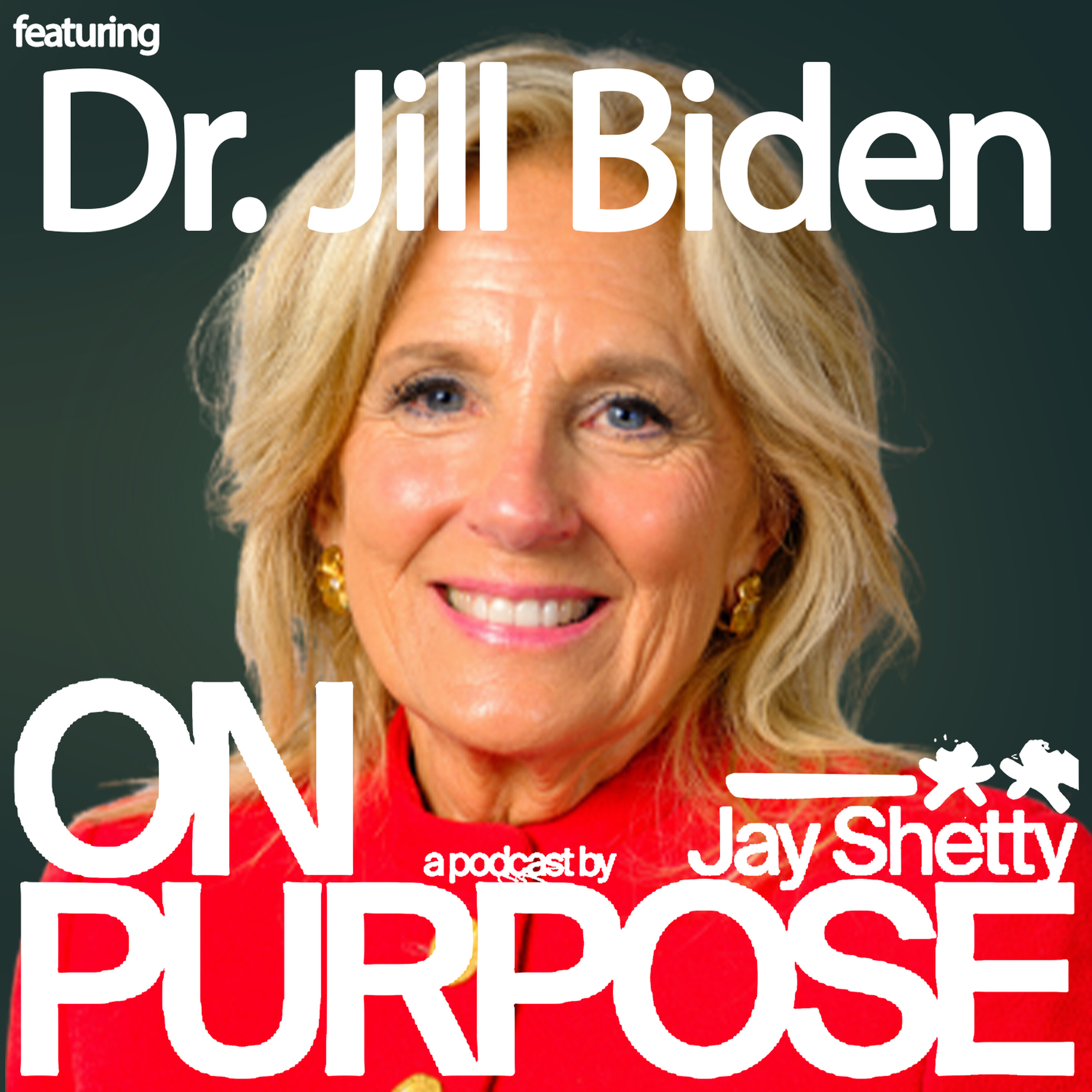
Overview of Dr. Jill Biden: The Hardest Moments No One Saw (The Untold Story of the White House Years)
In this On Purpose interview, Dr. Jill Biden reflects on her life as an educator, mother, wife, and former First Lady, sharing candid stories about love, grief, resilience, public service, and the private struggles behind the Biden family’s public life. The conversation centers on her marriage to Joe Biden, the loss of her son Beau, the challenges of the White House years, women’s health, parenting, addiction in the family, and the mindset that helped her endure some of life’s hardest moments.
Key Themes and Takeaways
Resilience through repeated loss
Jill Biden describes her life as shaped by major transitions and losses, including:
- Her first marriage and divorce at a young age
- The death of Joe Biden’s first wife and daughter, which shaped their blended family
- Beau Biden’s illness and death from glioblastoma
- Public scrutiny around Hunter Biden’s addiction and the pressures of political life
Her central message: once you’ve survived profound loss, you learn to endure criticism, chaos, and uncertainty with greater strength.
Love, family, and intentional partnership
A major thread throughout the interview is the intentional way she and Joe built their marriage:
- She initially rejected Joe’s marriage proposal five times
- Her hesitation came from wanting to be absolutely sure the marriage would last for Beau and Hunter’s sake
- She emphasizes that their relationship worked because it was built on mutual respect, support, and shared family values
She also talks about creating a warm, stable home:
- Cooking dinner every night
- Making sure the family ate together
- Prioritizing routines, love, and laughter
The importance of presence and compartmentalization
Jill Biden explains that one of her most important survival skills is the ability to be fully present:
- In the classroom, she was entirely focused on her students
- At home, she gave her children her full attention
- During crises, she focused on the immediate moment instead of becoming overwhelmed by long-term possibilities
Her philosophy is to live in “24-hour cycles” and deal with what is in front of her today.
Major Life Stories Discussed
Meeting Joe Biden
She recounts meeting Joe while she was a senior at the University of Delaware:
- He called and asked her out after she had already made plans
- She was struck by how different he was from the men she had dated
- What impressed her most was that he acted like a gentleman on their first date
The story sets up the long-term foundation of their relationship, which quickly became centered around family rather than just dating.
The blended family and building trust
When Jill entered Joe’s life, Beau and Hunter were still young and had already endured trauma:
- She wanted to ensure she would not add instability to their lives
- She intentionally stepped into a mothering role
- She paused her teaching career for two years to focus on the boys
She stresses that the boys’ acceptance of her was crucial, and that the family bond formed naturally over time.
Becoming a mother again
Jill shares a sweet memory of her pregnancy with Ashley:
- She involved Beau and Hunter in the process
- They helped tell Joe
- She even let them choose baby names to avoid feelings of replacement or threat
This section highlights how carefully she balanced motherhood, reassurance, and family harmony.
Hardest Moments in Public and Private Life
Joe Biden’s aneurysm
One of the most dramatic moments she recounts is Joe Biden’s near-fatal aneurysm:
- She got a call from school and rushed to the hospital
- A priest was giving last rites when she arrived
- She told him to leave because she believed Joe would survive
Her certainty was rooted in the fact that Beau and Hunter had already lost their mother and could not bear another devastating loss.
Beau Biden’s illness and death
The opening line of her book — “Once you lose a child, nothing can hurt you” — frames the depth of her grief:
- Beau had glioblastoma, a devastating brain cancer
- The family held on to hope throughout treatment
- She says the day the doctors told them the truth about his decline was one of the worst moments of her life
She explains that after Beau’s death, criticism and public attacks felt less painful because the family had already been through the worst possible loss.
Hunter Biden and addiction
Jill Biden speaks candidly about Hunter’s addiction:
- The family often didn’t know where he was
- He moved through rehab and periods of no contact
- They ultimately intervened with the goal of loving him through it
She says addiction is a disease, not a moral failure, and she regrets not speaking more openly about it during the White House years because many other families are dealing with the same struggle.
White House Years and Public Service
What it’s like to be First Lady
Jill Biden says each First Lady defines the role differently:
- She respects the way each woman chooses to serve
- She sees the role as an honor and responsibility
- She notes that it is not one-size-fits-all
The hardest days in the White House
She names several defining moments of emotional weight:
- COVID
- The Afghanistan withdrawal
- The Uvalde school shooting
- The Hawaii fires
As a teacher, she says school tragedies hit her especially hard.
Women’s health advocacy
One of her strongest policy passions is women’s health:
- She notes how little historical research has been done on women’s bodies
- She celebrates progress in funding and attention to women’s health
- She mentions a White House initiative that helped push $1 billion into the issue in one year
Her key argument: women need more research, more prevention, and more self-advocacy.
Teaching and the Power of Confidence
The greatest gift a teacher can give
Jill Biden says the most important thing teachers can provide is confidence:
- Students do not need to master everything immediately
- They need to believe they can do it
Poetry, community, and identity
She shares a classroom exercise where students write “Where I’m From” poems:
- It helps students connect personal memory with expression
- It creates community in the classroom
- Students of all ages, from 18 to 83, participated in her classes
She still keeps in touch with many former students and continues mentoring young women.
Thoughts on Leadership, Politics, and Social Media
Social media and misinformation
Jill Biden expresses concern about:
- Young people getting news through social media
- AI making it harder to know what is true
- The challenge of misinformation around major events like January 6
She’s especially worried that many people may not be able to distinguish truth from manipulation online.
Joe Biden’s decision to step down
She says Joe’s withdrawal from the 2024 race was painful but necessary:
- She was heartbroken for him
- She felt his public service career ended on a harsh note
- Still, she believed he made the right decision
She also recounts her initial shock at learning Kamala Harris had lost, saying she had assumed she would win based on campaign energy and crowds.
Final Five Takeaways
Best advice she has ever received
- “Know thyself” — advice from her mother
What gives her hope
- Young women researchers in science and women’s health
- The rise of women’s sports
- Young people rejecting negativity and choosing joy
- Her grandchildren’s generation
What she values less with age
- She says she no longer focuses on negativity
- She tries to prioritize joy
The one law she would create
- Be kind
- Because you never know what someone is going through
Notable Insight
- “You never know what’s behind someone’s smile.”
- “Once you lose a child, nothing can hurt you.”
- “If you can give students confidence, that’s the most important thing a teacher can do.”
Overall Impression
This interview is a deeply personal portrait of Jill Biden as someone shaped by love, loss, discipline, and service. Beyond politics, it is a story about family resilience, the emotional cost of public life, and the belief that kindness, presence, and confidence can carry people through almost anything.