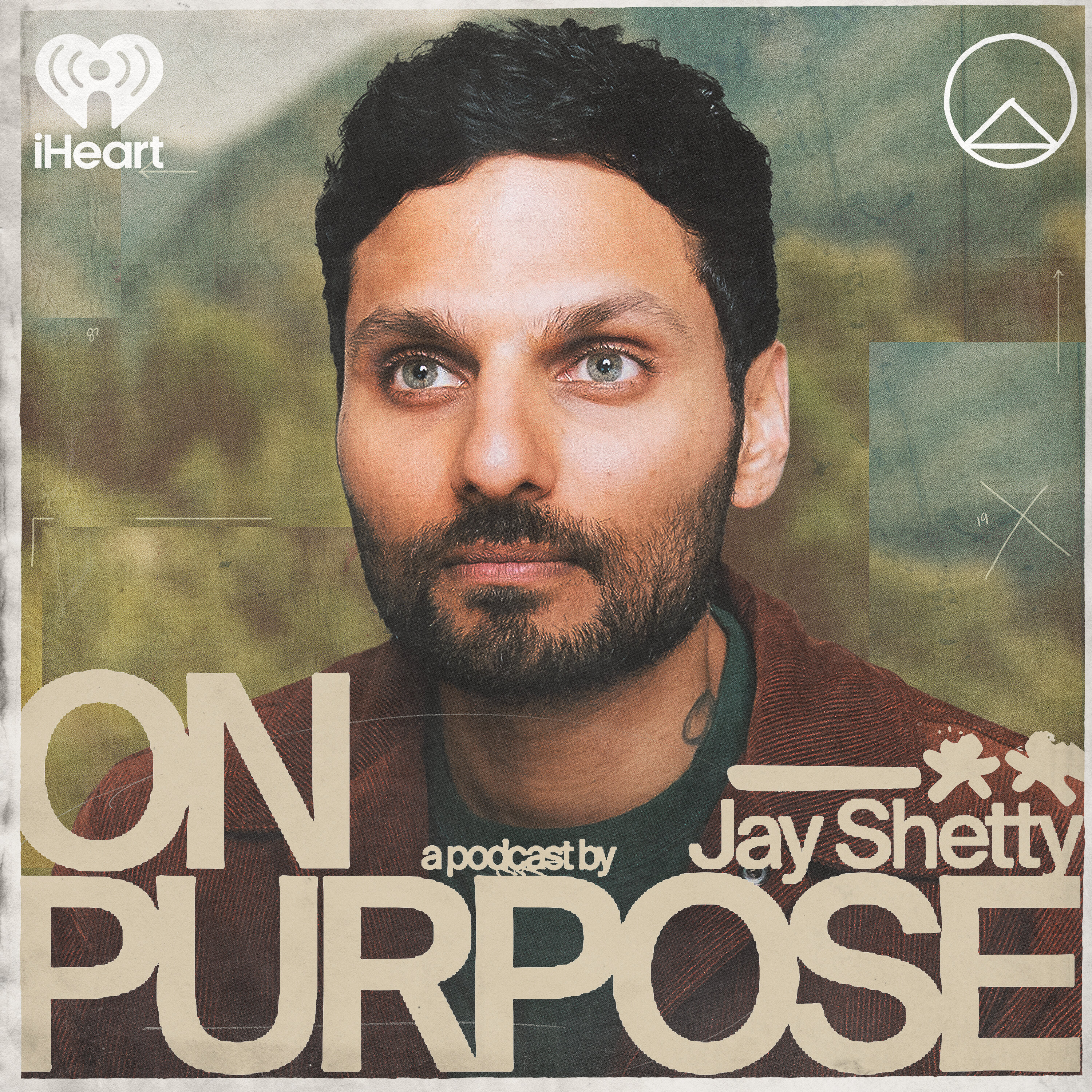
Overview of Always “Too Tired” After Work? 5 Shifts to Optimize Your 5–9 and Finally Build the Life You Want
This episode argues that feeling “stuck” in life usually isn’t caused by the 9–5 itself, but by how evenings are spent afterward. The host reframes the 5–9 as the most important time for building the life you want, and outlines five practical shifts to make weeknights more intentional, energizing, and aligned with long-term goals. The message is not hustle culture or burnout—it’s about using small, repeatable habits to create real progress over time.
Main Theme
The core idea is simple: your future is built in the hours after work.
Instead of defaulting to scrolling, passive entertainment, and exhaustion, the episode encourages listeners to use evenings for:
- personal growth
- creative work
- health
- relationships
- rest that genuinely restores
The host emphasizes that motivation often comes after action, not before it, and that consistency creates confidence, momentum, and identity.
The 5 Shifts to Improve Your 5–9
1. Change your first move after work
Don’t go home and fall into autopilot. Break the pattern before decision fatigue takes over.
Examples:
- go to the gym before heading home
- stop at a café to work on a side project
- take a walk before entering the house
- meet a friend directly after work
- open a book immediately when you get home
The point is to interrupt the “sit down and disappear” routine.
2. Batch small tasks
A big reason evenings feel too short is that people scatter life admin across the whole week.
Instead:
- do meal prep in one block
- clean in one dedicated session
- pick one laundry night
- plan weeknights on Sunday
- reduce constant decision-making
This frees up energy for things that matter more than chores.
3. Stop waiting to feel motivated
The episode pushes back against the idea that you must feel ready, inspired, or energized before acting.
Key point:
- consistency comes before motivation
- sometimes you just have to do it tired
Examples given include:
- going to a workout class anyway
- writing even when creatively drained
- showing up for friends despite low energy
The host argues that action builds self-trust.
4. Choose one meaningful goal per evening
Don’t try to do everything every night.
Instead of cramming in:
- exercise
- cleaning
- socializing
- journaling
- reading
- business work
- family calls
…pick one primary intention for the evening.
The goal is to win the week, not every single day.
5. Build evenings that give energy back
Not all rest is equal.
The episode distinguishes between:
- intentional rest that restores you
- numbing behaviors that only provide temporary relief
Examples of energizing evenings:
- a hike
- a meaningful conversation
- a walk outdoors
- a productive creative session
- a real bedtime routine
The host argues that energy is replenished by meaningful action, not endless passive distraction.
Key Takeaways
- Your evenings shape your identity, habits, and future.
- Most people are not lazy; they are overstimulated, fatigued, and overwhelmed.
- Small actions repeated over months matter more than dramatic bursts of effort.
- Rest matters, but not every form of “downtime” is actually restorative.
- Confidence comes from evidence: showing up for yourself repeatedly.
- Progress builds momentum, and momentum makes the rest of life feel better too.
Actionable Advice
If you want to apply the episode’s ideas, start here:
- Pick one “first move” ritual after work.
- Batch one recurring chore this week.
- Replace one scrolling session with a real restorative activity.
- Set one evening goal instead of five.
- Write down what actually makes you feel rested.
- Protect sleep more intentionally.
- Use your evenings to build the future, not just recover from the day.
Closing Message
The episode ends with a strong encouragement: you will not regret putting more effort into the things you genuinely care about. The host’s main challenge is to stop treating your future as something that will happen later, and start building it in the ordinary hours you already have.