Overview of One Percent (Sword and Scale)
This episode of Sword and Scale — titled "One Percent" — recounts the December 12, 2018 murder of 62-year-old Kathleen (“Kathy”) Anderson in Menlo Park, California. The narrator follows the discovery (a frantic 911 call), the arrest of a blood-covered suspect, and the subsequent investigation that reveals the attacker’s downward spiral into psychosis, substance misuse, homelessness, and delusional beliefs about “joining the 1%.” The episode closes with the criminal trial outcome and short follow-ups on surviving acquaintances.
Key takeaways
- The victim: Kathleen Anderson, 62, a retired professional arborist known and loved in her neighborhood.
- The attacker: Identified in the episode as Francis W. (transcript uses variants of the last name). He broke into Kathleen’s home, murdered and dismembered her, and attempted to eat parts of her body.
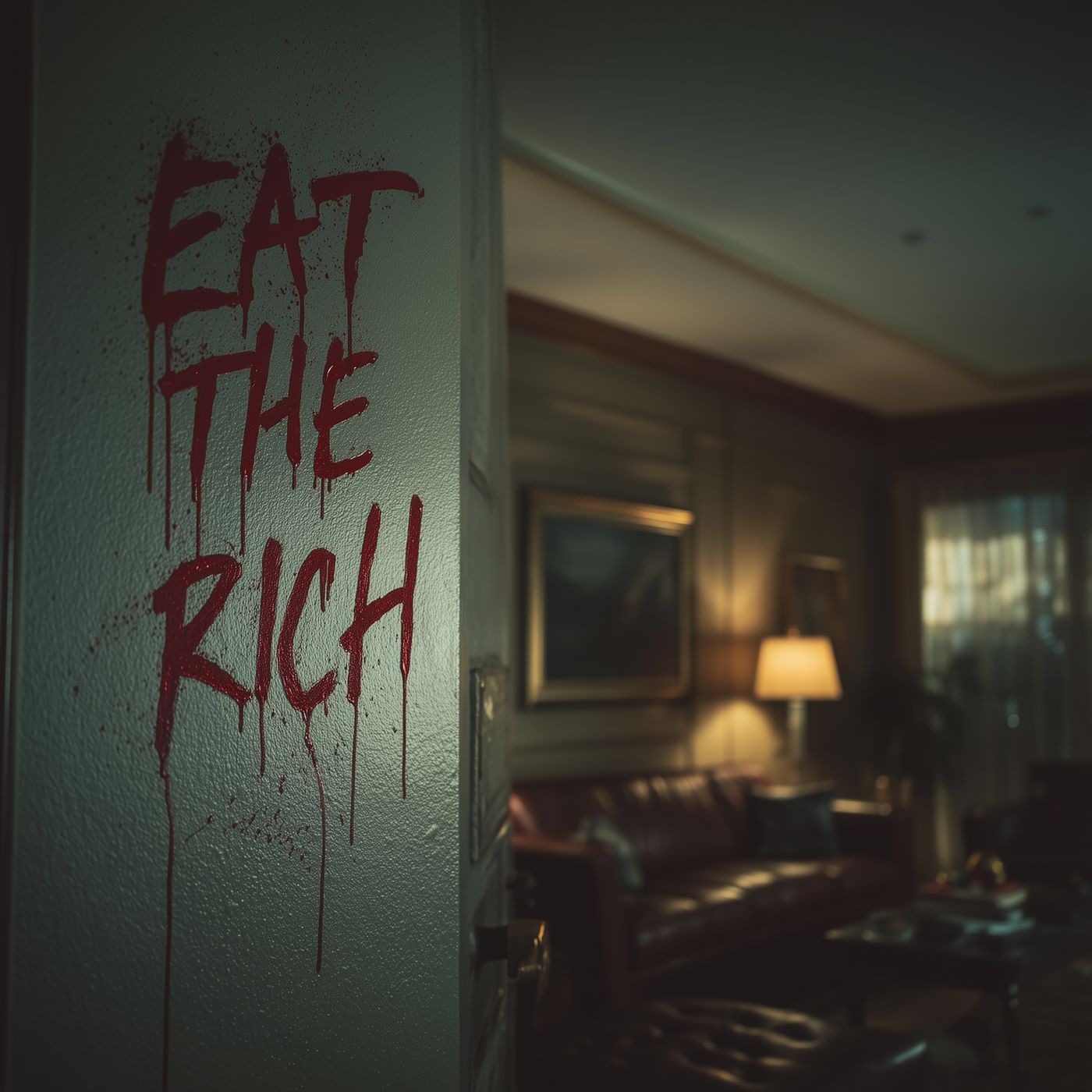
- Motive/reasoning (per the attacker): He claimed auditory hallucinations and delusions instructing him to “kill and eat the rich” to become part of an elite 1% and gain immortality/wealth.
- Mental-health context: The attacker had a documented history of psychosis, had stopped taking medications, became homeless, used stimulants (Adderall), suffered severe insomnia and malnutrition, and displayed escalating paranoia and violent behavior before the murder.
- Legal outcome: He pleaded not guilty by reason of insanity; despite mixed psychiatric evaluations, a jury found him sane and guilty of first‑degree murder. He was sentenced in March 2023 to 26 years to life.
Timeline of events (concise)
- 2014: The attacker meets a roommate (Daniel) at a cryptocurrency conference and moves in under a false name. Early signs of extreme misogyny, paranoia, and stimulant use appear.
- ~6 months later: He is evicted for increasing instability and mania.
- Over the next years: He becomes homeless, bounces around the Bay Area, is hospitalized for a broken leg after falling from a balcony, returns to Ohio for a period, then discontinues medication and disappears again.
- Early December 2018: He returns to California after days of sleep deprivation and voices urging action; believes killing/eating a wealthy person will join him to “the 1%.”
- December 12, 2018 (night): Breaks into Kathy Anderson’s home, attacks, stabs and mutilates her (says he stabbed her eye and attempted to remove her head), and eats parts of her body. He is discovered at the scene, blood-covered and incoherent, arrested after the boyfriend confronts him with a knife.
- Post-arrest/interrogation: He confesses, describes the mission and voices, and admits to the assault, dismemberment, and cannibalism.
- March 2023: Convicted of first-degree murder; sentenced to 26 years to life.
People involved
- Kathleen (Kathy) Anderson — victim, 62, retired arborist, beloved in her community.
- Francis W. (attacker) — mid‑twenties to early‑thirties in timeline, history of psychosis, stimulant use, homelessness; confessed to the crime and gave delusional reasoning.
- Kathy’s boyfriend — discovered the scene after the attack, held a knife to the suspect, emotionally devastated.
- Daniel Gershevich — former roommate who knew the attacker under a false name (“Gabriel” in his telling); later moved to Berlin and continued work in tech.
- Investigators, EMS, and psychiatrists — handled arrest, medical response, interviews, and psychiatric evaluations used during prosecution.
Mental-health and behavioral factors highlighted
- Prior history of psychotic episodes and hospitalizations.
- Medication non-compliance after returning to Cincinnati; belief that treatment was meant to “silence” him.
- Heavy stimulant (Adderall) use, severe insomnia, malnutrition and weight loss.
- Paranoid delusions (e.g., corporations spying on him) and grandiose/dangerous ideological beliefs (violence as a means to transcend).
- Social isolation and homelessness that escalated untreated symptoms.
Legal outcome
- Plea: Not guilty by reason of insanity.
- Psychiatric evaluations: Mixed — some clinicians deemed him insane while others did not.
- Jury decision: Found him criminally responsible (knew what he was doing).
- Sentence: In March 2023, convicted of first-degree murder and sentenced to 26 years to life.
Notable quotes from the episode
- From the suspect at arrest: “I’m sorry but I had to. I had to join the 1%.”
- On the scene: “She in the basement. I have a mental problem and I very seriously killed that woman.”
- On preference: “If it were a man standing in the kitchen that night, I would have simply walked out.” (attacker, per interrogation)
Content warning
- The episode contains explicit descriptions of extreme violence, dismemberment, and cannibalism. It is graphic and may be triggering.
Broader themes and implications
- Untreated severe mental illness combined with stimulant abuse and homelessness can culminate in catastrophic violence.
- Isolation and lack of sustained, enforced treatment (medication non‑adherence) can allow psychosis to escalate.
- The narrative highlights how delusional belief systems and misogynistic worldviews can intersect with mental illness to rationalize violence.
- It underscores systemic gaps in continuity of care for people with serious mental-health histories who become homeless or transient.
Suggested actions / takeaways for listeners
- Awareness: Recognize signs of escalating psychosis (severe sleep loss, paranoia, disorganized behavior, verbal threats).
- Support: Advocate for better continuity of care, accessible psychiatric treatment, and interventions for people discharged without stable housing.
- Safety: If you encounter someone showing acute psychosis and/or violent behavior, prioritize personal safety and contact emergency services; do not attempt to handle violent individuals alone.
- Community: Encourage destigmatizing mental-health treatment and supporting services that reduce homelessness and increase treatment adherence.
If you want a shorter recap or a bullet-point timeline formatted for quick reference, I can provide that.