Overview of Gamer by Sword and Scale
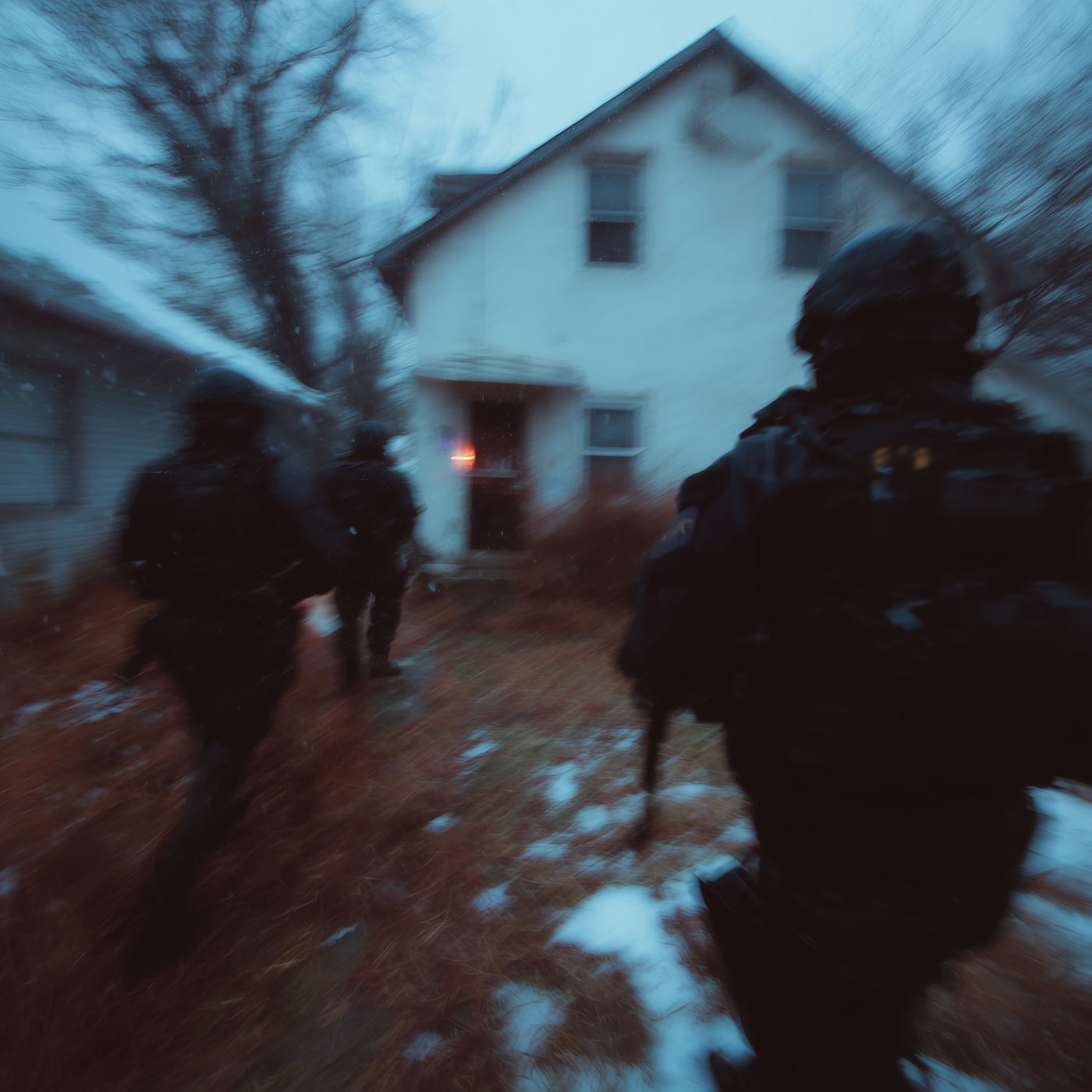
This episode examines the fatal 2017 Wichita swatting incident that led to the death of Andrew Finch, an innocent man shot by police after a fake emergency call sent officers to his home. The story traces how a petty online gaming dispute escalated into a deadly hoax, and how one false report, amplified by police confusion and aggressive response, ended in tragedy.
What Happened
The swatting call
- A caller reported a domestic crisis at 1033 West McCormick Street in Wichita, claiming he had shot his father and was holding family members hostage.
- Dispatch treated it as a real emergency and sent armed officers immediately.
- The caller was later identified as Tyler Barriss, a known swatter who had made numerous hoax emergency calls before.
The police response
- Officers arrived expecting an armed hostage situation.
- When Andrew Finch stepped outside his home, police ordered him to show his hands.
- Confused and startled, he moved awkwardly near the front door.
- An officer fired a shot within seconds, striking Finch.
- Finch died shortly after, despite not being the suspect and not being armed.
The online gaming connection
- The fake call originated from a dispute connected to Call of Duty.
- The conflict involved:
- Casey Viner, an 18-year-old gamer
- Shane Gaskill, another player who taunted others during the argument
- Tyler Barriss, who ultimately placed the hoax call
- What began as trash talk and ego-driven retaliation turned into a chain of actions that killed an uninvolved man.
Aftermath and Legal Consequences
Charges and sentencing
- Tyler Barriss was charged federally with numerous offenses tied to this and other swatting incidents.
- He pleaded guilty and received a 20-year federal prison sentence.
- Casey Viner and Shane Gaskill also faced federal charges and received prison sentences and supervised release.
Police review and civil settlement
- The officer who fired the shot, Justin Rapp, was cleared of criminal charges after a legal review determined the shooting was justified under Kansas law.
- The Finch family later filed a civil lawsuit against the city of Wichita.
- In 2022, the city agreed to a $5 million settlement with the family.
Broader impact
- The case helped push stronger legal consequences for swatting, especially when a false report leads to injury or death.
- It also became a major example of how anonymous online behavior can have devastating real-world consequences.
Key Takeaways
- Swatting is not a prank: it can trigger armed police response and kill innocent people.
- Online disputes can escalate dangerously fast when ego, anonymity, and recklessness combine.
- The consequences extend far beyond the people arguing online; in this case, the victim was not involved in the gaming conflict at all.
- The incident exposed systemic risk in how police respond to high-stress, rapidly unfolding false emergency calls.
Final Message of the Episode
The episode closes as a grim warning: a lie told through a screen can still kill. Andrew Finch died not because of anything he did, but because of someone else’s reckless decision to weaponize the emergency system for revenge and attention.