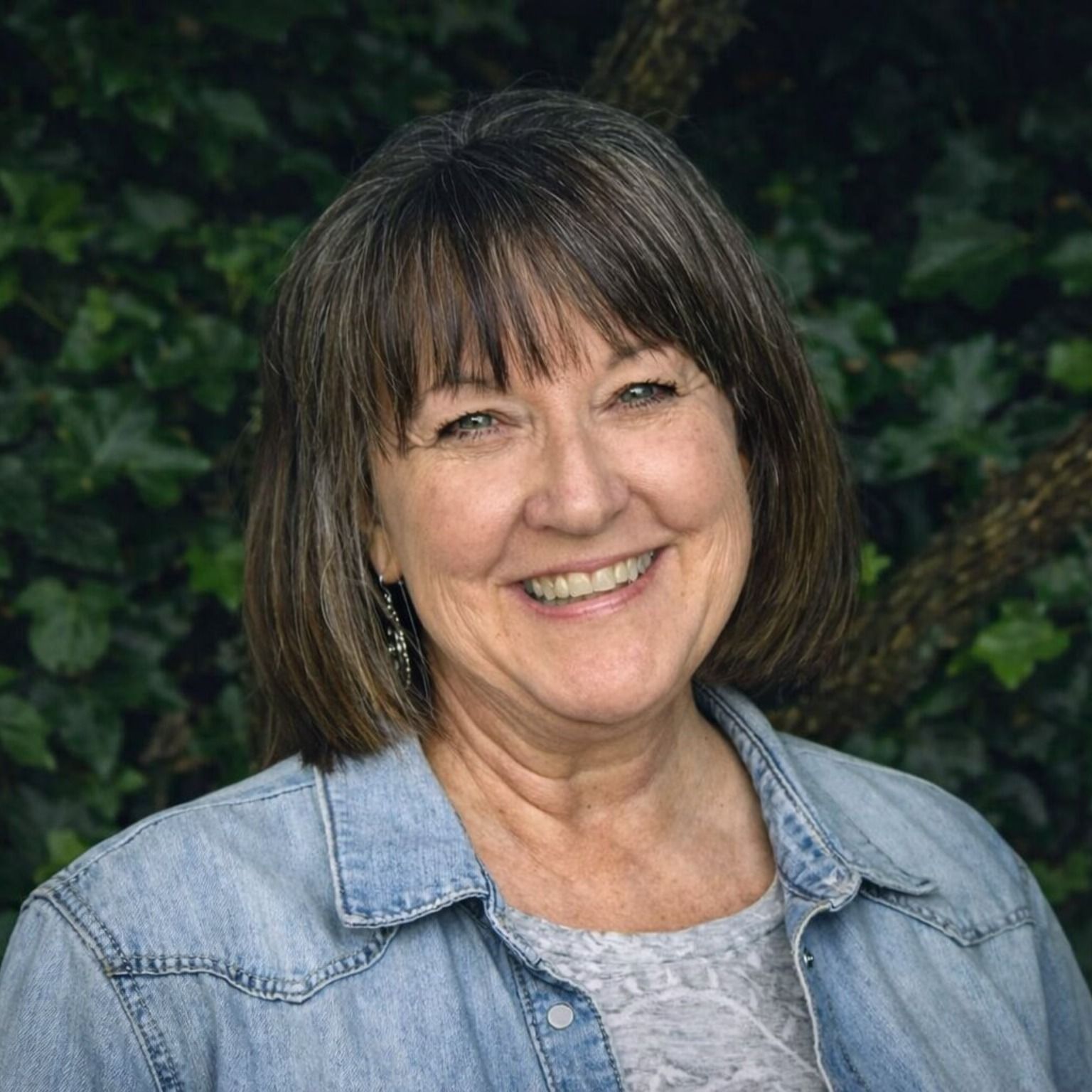
Overview of Rebecca Stuhlmiller's Story (Hidden Brain — My Unsung Hero)
Rebecca Stuhlmiller’s contribution to Hidden Brain’s My Unsung Hero recounts a small, unexpected act of kindness that helped her through an abusive relationship. At 19 (in 1982) she moved from Billings, Montana to Phoenix, Arizona after family upheaval, dropped out of college, and began dating a man who oscillated between charm and emotional abuse. One day, while sobbing at a stoplight, a middle‑aged driver in the next car flashed her a thumbs‑up and honked; that brief, human gesture gave her hope, helped her remember who she was, and—though it still took her 10 months to leave the relationship—remains deeply meaningful to her today. Rebecca now lives in Federal Way, Washington.
Key points and main takeaways
- Context: Rebecca was vulnerable—young, newly independent, reeling from divorce in her family and a failing relationship.
- The moment: While distraught at a stoplight, a stranger gave her a thumbs‑up and drove away. The simplicity of the gesture mattered enormously.
- Impact: The thumbs‑up renewed Rebecca’s hope and sense of self; she later left the relationship and continues to be moved to tears when she remembers that small kindness.
- Lasting lesson: Small, ordinary acts of human kindness can have outsized, long-term effects on someone who’s struggling.
- Ripple effect: Rebecca now tries to offer smiles and kindness when the moment calls, acknowledging the unseen weight other people may carry.
Notable quotes
- “That thumbs up for whatever reason still brings me to tears whenever I think about it.”
- “I would say thank you for giving me one of the best gifts of my life.”
- “We never know when our small act of kindness will bring a lifetime of gratitude.”
Themes and insights
- The power of micro‑interventions: brief, noninvasive signals of recognition can interrupt despair and restore dignity.
- Emotional unpredictability of abusive relationships: intermittent kindness can complicate escaping abusive dynamics.
- Paying it forward: receiving kindness often motivates recipients to enact kindness for others.
- Human connectedness: strangers can play pivotal roles in healing, simply by acknowledging another person’s existence.
Practical takeaways (for listeners)
- If you see someone visibly distressed, a small, respectful gesture—smile, nod, brief encouraging word—can matter more than you expect.
- For someone in an abusive relationship, noticing small signals of hope and safety can be crucial; consider reaching out to trusted friends or professionals when you can.
- If a small act helped you in the past, consider deliberately offering similar small acts to others—you may never know their impact.
Submission info (call to action from the episode)
- Hidden Brain is soliciting My Unsung Hero stories: record a short (aim for ≤3 minutes) story in a quiet room using your phone and email the file to myunsunghero@hiddenbrain.org.
Metadata
- Episode series: My Unsung Hero (Hidden Brain)
- Host/producer: Shankar Vedantam
- Story contributor: Rebecca Stuhlmiller (Federal Way, Washington)