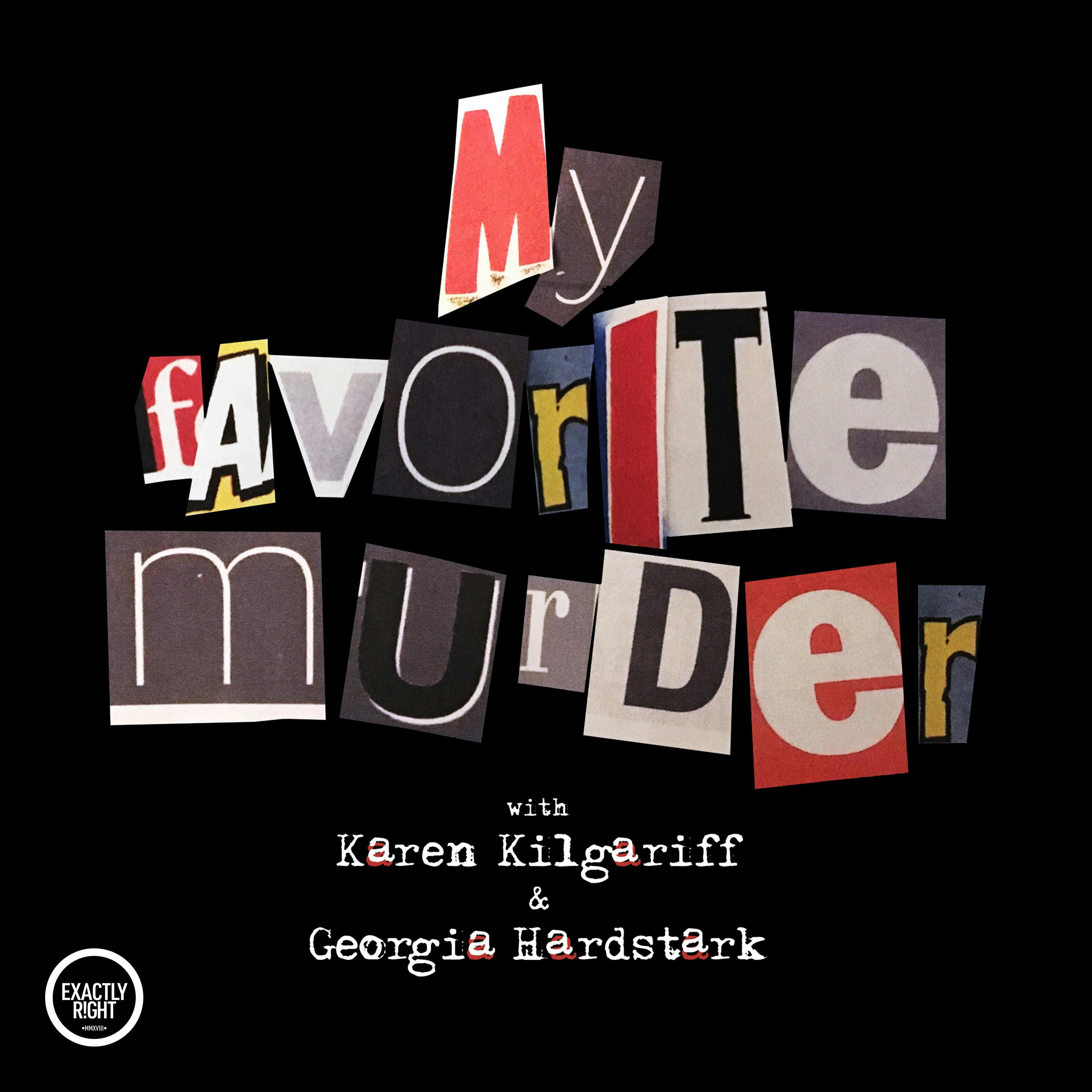
Overview of My Favorite Murder #553: “Ohio, Let’s Say”
This episode blends the hosts’ usual opening banter with a few current true-crime updates and then a long, detailed main story about Tilikum, the orca whose history at SeaWorld became central to the larger public debate over captive marine animals, trainer safety, and entertainment ethics. The discussion moves from modern-day legal and social issues to a grim, fact-heavy case that shows how long-running captivity conditions shaped repeated tragedies.
Episode Highlights
Opening banter and listener-style chit chat
- Karen and Georgia start with their usual off-the-cuff jokes, caffeine talk, fashion commentary, and a tangent about a vintage resale site with unusual old stock.
- They also riff on:
- the appeal of original packaging in vintage collecting,
- “deadstock” finds,
- and the general joy of weird, obscure internet shopping.
Quick true-crime and news updates
The hosts briefly cover a few current/recent developments before the main story:
-
Chicago Tylenol poisonings update
- They discuss the identification of Dr. Matthew Francis Bukowski through DNA as a man with possible links to the 1982 cyanide poisoning case.
- He is not officially named as a suspect, but investigators noted troubling connections, including interest in cyanide and tampering with OTC medication.
-
Cornell assault case commentary
- They discuss an alleged gang rape case and the “Jane Doe” framing around survivor testimony.
- Their conversation focuses on believing women, rape culture, the failures of institutions, and the need for accountability rather than protecting perpetrators.
-
Podcast/media shout-outs
- They promote other Exactly Right shows, Signal Awards voting, and sponsors.
Main Story: Tilikum, SeaWorld, and the Costs of Captivity
Who Tilikum was
- Tilikum was a wild-born orca captured near Iceland in 1983.
- He spent most of his life in captivity, first in Iceland, then at Sealand of the Pacific in British Columbia, and later at SeaWorld.
- Orcas are described as:
- highly intelligent,
- deeply social,
- matriarchal,
- and dependent on family pods with distinct dialects and communication styles.
The capture-and-captivity system
- The episode explains how killer whale shows exploded in popularity in the 1960s and beyond, fueled by entertainment culture like Flipper and later Free Willy.
- The capture process was brutal:
- pods were harassed,
- calves were separated from mothers,
- and whales were taken into captivity for performance.
- The hosts emphasize that SeaWorld and similar parks often marketed themselves as educational or conservation-minded, even while keeping animals in conditions that were deeply unnatural.
Early deaths connected to Tilikum
The episode walks through the major deaths tied to Tilikum:
-
Keltie Byrne (1991)
- A trainer at Sealand of the Pacific slipped into the water.
- Tilikum and two female orcas dragged her under, and she drowned.
-
Daniel Dukes (1999)
- A man who apparently entered SeaWorld after hours was found dead draped across Tilikum.
- His death was ruled drowning, with evidence suggesting severe trauma as well.
-
Dawn Brancheau (2010)
- The most famous case in the story.
- Brancheau, an experienced and highly respected SeaWorld trainer, died during a live show at SeaWorld Orlando.
- The episode explains that the exact mechanics are contested, but footage and witness accounts show Tilikum pulling her into the water and preventing her escape.
- Her death was ruled drowning and blunt force trauma.
Why these incidents mattered
The hosts stress that these deaths were not random:
- Tilikum had spent years in cramped, stressful conditions.
- He was repeatedly housed with other whales in ways that encouraged aggression.
- SeaWorld continued to use him in performances despite multiple incidents and a growing body of evidence that captive conditions were harming the animals.
SeaWorld’s response and fallout
- After Brancheau’s death:
- OSHA investigated SeaWorld,
- trainers were prohibited from getting in the water with killer whales,
- and structural safety changes were demanded.
- Later, the documentary Blackfish pushed the issue into the mainstream and massively shifted public opinion.
- SeaWorld eventually announced it would phase out its killer whale breeding program.
What happened to Tilikum
- Tilikum remained at SeaWorld and continued performing without trainers in the water.
- He died in 2017 at age 36 from infection.
- The episode notes the difficult ethical reality:
- releasing him into the wild was not a viable solution after a lifetime in captivity,
- but keeping him confined was also deeply harmful.
Key Takeaways
On animal captivity
- Orcas are not meant to live in small tanks or perform for crowds.
- Captivity appears to create stress, aggression, and psychological damage in animals built for wide-ranging social lives.
- The story is presented as a cautionary tale about commodifying intelligent animals for entertainment.
On institutional responsibility
- SeaWorld is portrayed as repeatedly minimizing risk and framing tragedies as trainer error rather than acknowledging the dangers of the system itself.
- The episode suggests that the company’s business incentives outweighed its ethical obligations.
On public perception
- The hosts note how Blackfish changed the conversation and made more people question marine mammal captivity.
- They also point out that many listeners may have assumed the issue had been “fixed,” when in reality the legacy of the practice still lingers.
Tone and Themes
- Darkly funny banter up front
- Strong survivor-believing, anti-rape-culture commentary
- Moral outrage over animal exploitation
- A sense of sadness and frustration that the obvious warning signs were ignored for so long
Closing
The episode ends with the hosts reflecting on how shocking and heartbreaking the Tilikum story remains, even years later. They encourage listener engagement with the show and other Exactly Right projects, then sign off in their usual style.